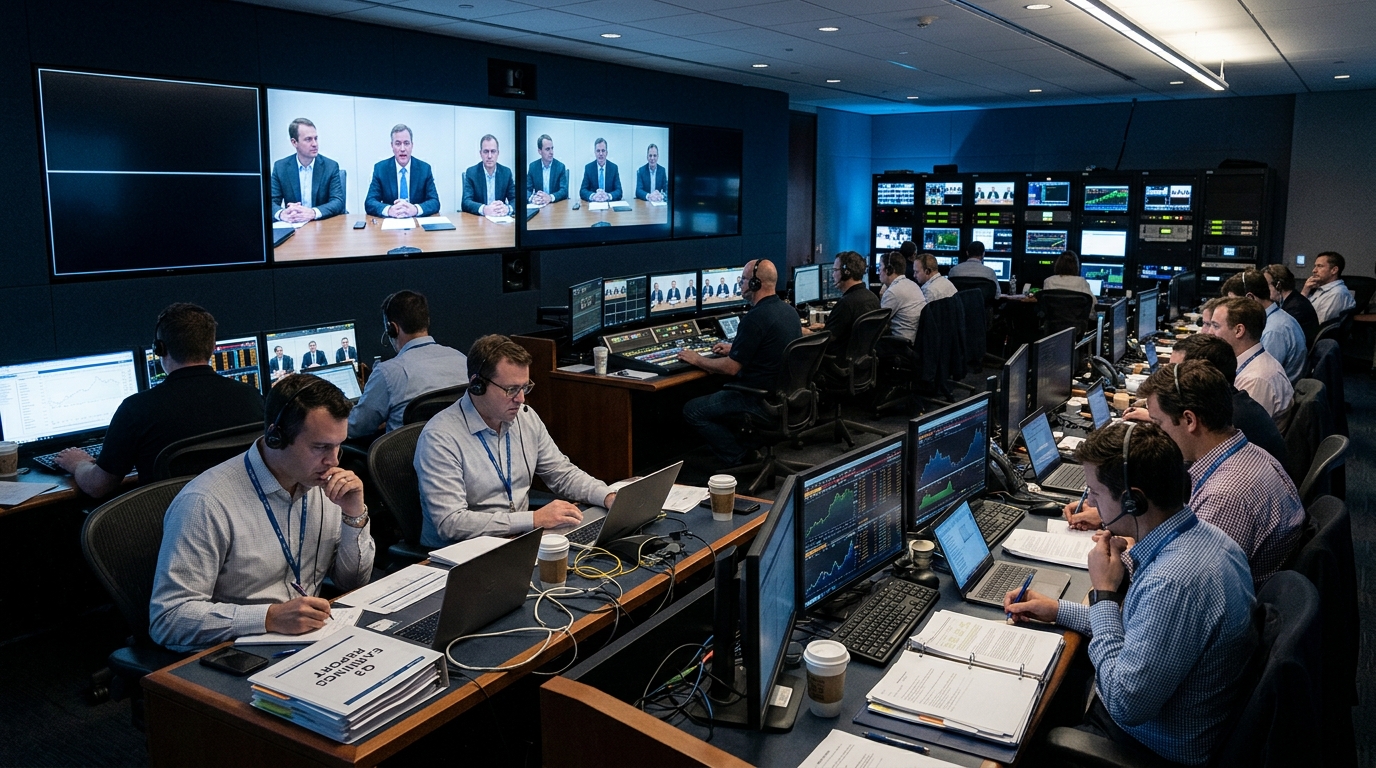
FTC probe of OpenAI and Anthropic puts AI risk in focus
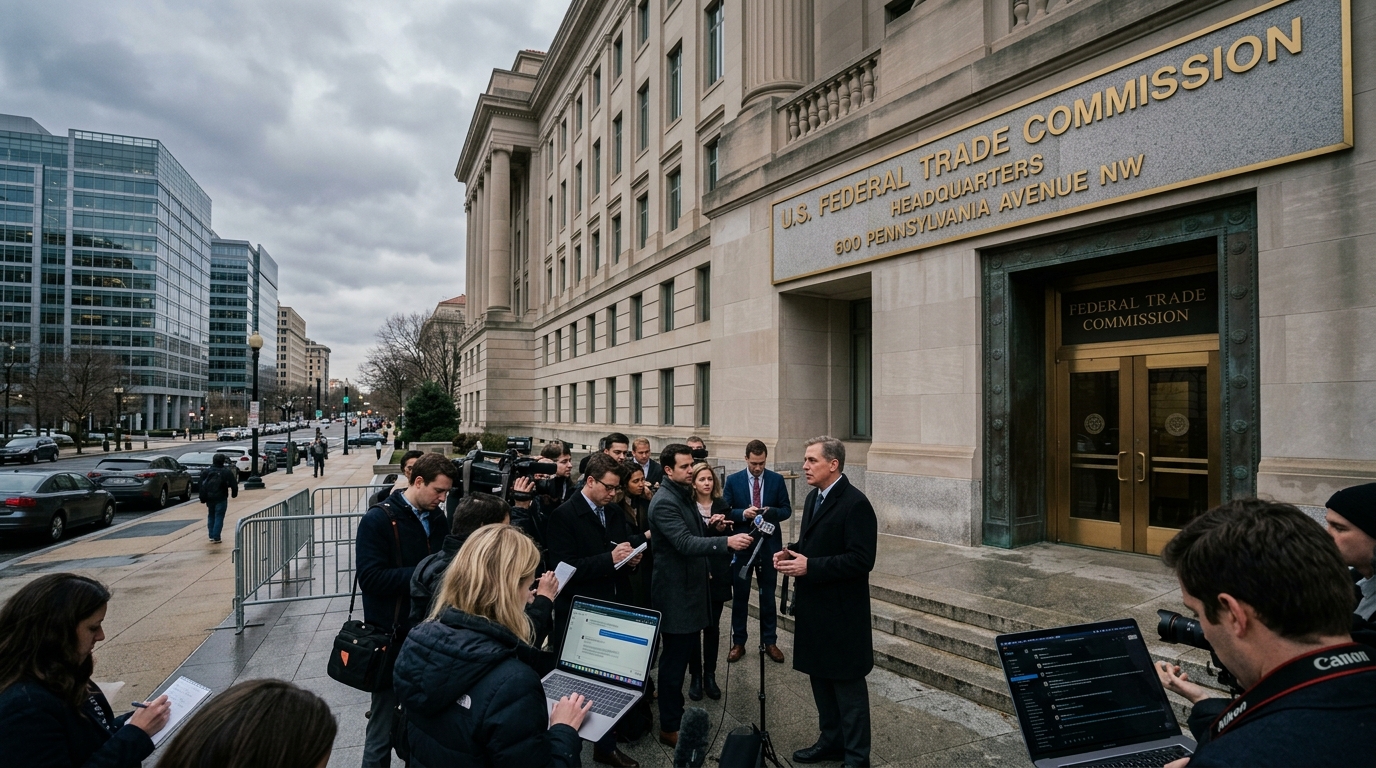
U.S. scrutiny of the artificial intelligence industry widened after CNBC reported that the Federal Trade Commission is investigating OpenAI, Anthropic and other AI companies over product risks. The move adds a new layer of regulatory uncertainty for one of the market’s most closely watched growth themes.
The headline matters beyond the private companies directly named because generative AI has become a major driver of valuations, capital spending plans and competitive positioning across the broader technology sector. Investors have treated AI software, chips, cloud infrastructure and networking as linked trades. Any sign that regulators are shifting from broad policy debate to product-level investigation could ripple across that entire chain.
Why this investigation stands out
According to the CNBC report, the FTC is examining product risks tied to leading AI developers. While the headline did not provide detailed allegations, the fact that the agency is looking at multiple companies suggests U.S. regulators are paying closer attention to how AI tools are built, deployed and marketed.
That is important because the AI boom has so far been defined less by direct regulation and more by investor enthusiasm around adoption. Public markets have rewarded companies tied to model training, cloud computing, data centers and AI networking on expectations that demand will remain strong and durable. A federal investigation introduces a different question: whether growth could face legal, compliance or operating constraints.
For public investors, that does not only apply to software groups. It can also affect suppliers whose recent share gains have been tied to the pace of AI model expansion.
Broader implications for markets
The AI trade has become one of the defining market narratives of the last two years. Even when individual companies are private, the policy environment around them can influence listed peers, customers and suppliers.
If regulators focus on product safety, disclosure, consumer harm or enterprise use risks, companies across the ecosystem may need to spend more on compliance, testing and governance. That could raise costs and lengthen product rollout timelines. It could also change how aggressively firms present AI capabilities to customers and investors.
At the same time, an investigation is not the same as a formal enforcement action. Markets often react sharply to the start of a probe, then reassess once more detail emerges. For now, the main takeaway is that AI regulation in the United States may be moving from theory toward case-by-case oversight.
That shift matters because investors have already been navigating export controls, competition concerns and debates over training data. A product-risk investigation adds another policy channel that could shape sector leadership.
Why this is more than a private-market story
Although OpenAI and Anthropic are not traditional public-market bellwethers in the same way as listed mega-cap technology groups, they occupy a central role in the current AI buildout. Their models influence cloud demand, enterprise software integration and infrastructure spending. A change in their regulatory burden could therefore have second-order effects for public companies exposed to AI demand.
MarketWatch and Yahoo Finance headlines in today’s wire also showed how heavily investor interest remains concentrated on AI-linked chip and networking names. That makes the FTC headline especially relevant: it challenges the assumption that AI growth will be shaped only by commercial adoption and hardware supply.
It also lands at a time when policymakers globally are trying to define rules for fast-evolving AI systems. U.S. action from the FTC may be watched closely by overseas regulators and by companies deciding how to design products for multiple jurisdictions.
Key questions for investors and businesses
- Scope: Whether the FTC’s review is narrow and company-specific or broad enough to affect industry practices.
- Timing: Whether the investigation develops into formal action or remains a fact-finding exercise.
- Spillover: How much regulatory caution reaches listed chipmakers, cloud providers and enterprise software firms.
- Cost: Whether AI developers and partners need to absorb higher compliance and product-testing expenses.
For now, the headline reinforces that regulatory risk is becoming a more material part of the AI investment story.
Neutral outlook: According to CNBC, the FTC probe marks a meaningful policy development for AI markets, but the impact on valuations and business models will depend on the investigation’s scope and any next steps from regulators.
MarketPro reports are AI-assisted analyses of publicly reported market news. Not investment advice.