GM sales fall as Toyota gains ground with hybrids, EVs
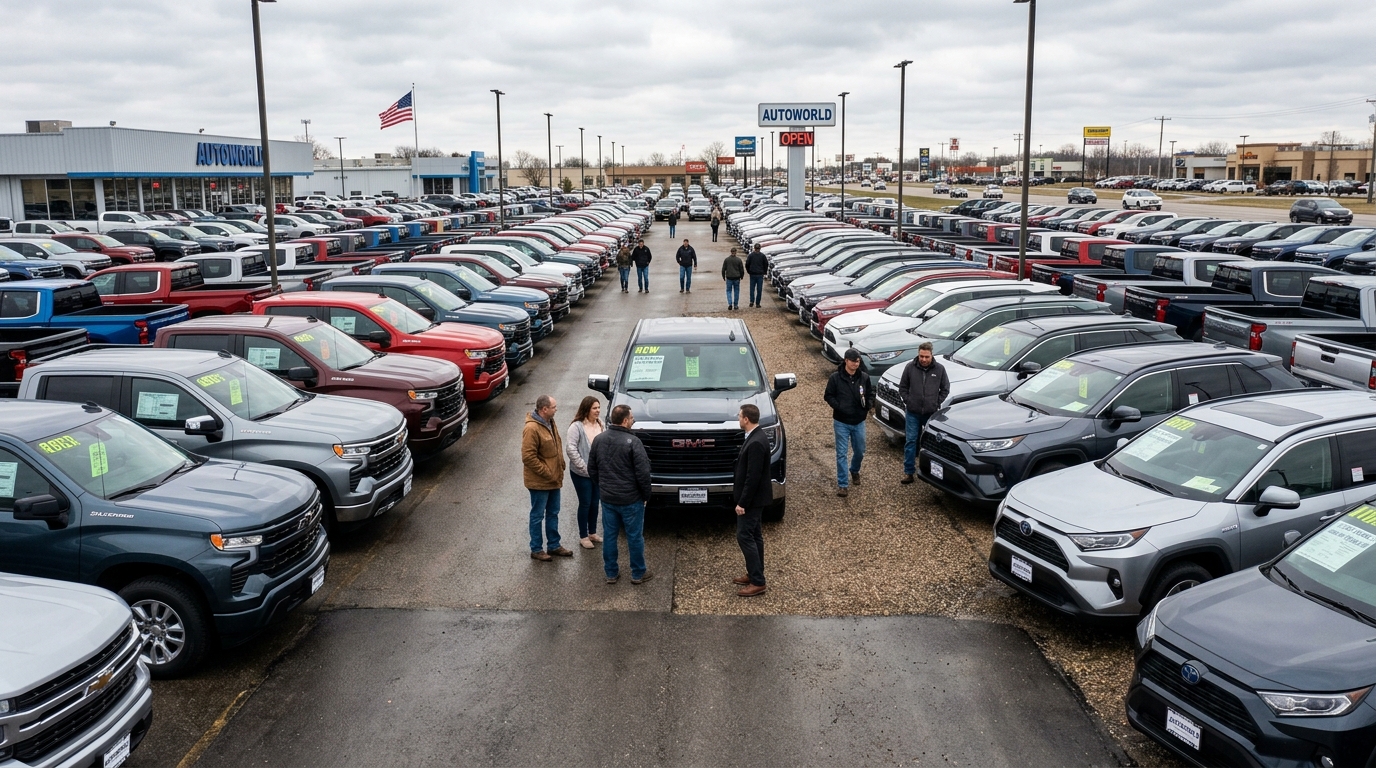
The U.S. auto market offered a split picture in the latest sales update, with General Motors reporting a third-quarter sales drop of 5.5% while Toyota was buoyed by electric vehicles and hybrids, according to CNBC. The contrast adds to evidence that consumer demand is not fading evenly across the industry and that powertrain mix is becoming increasingly important to sales momentum.
For markets, the significance goes beyond one quarter’s delivery tally. Investors have been watching whether high borrowing costs, uneven EV demand and still-elevated vehicle prices would begin to reshape market share. The latest comparison suggests automakers with stronger hybrid and electrified lineups may be better positioned to capture buyers who want better fuel economy but are not ready to make a full switch to battery-only vehicles.
GM faces a tougher volume backdrop
According to CNBC, GM’s U.S. third-quarter sales fell 5.5%. On its own, a quarterly decline does not establish a full trend, but it comes at a time when the broader auto market is dealing with several crosscurrents: higher financing costs, affordability pressure and more selective consumers.
That financing pressure remains important. MarketWatch reported that the 30-year mortgage rate made its biggest jump in four years to nearly 7.3%, while Treasury yields have also been volatile, according to CNBC and Investing.com reports. Mortgage rates and auto loans are not the same market, but both reflect a higher-rate environment that can affect household budgets and willingness to make major purchases.
For carmakers, that means demand may increasingly depend on product mix, incentive strategy and the ability to offer models that match what value-conscious consumers want right now.
Toyota’s result highlights the hybrid trade-off
CNBC said Toyota was supported by EVs and hybrids, reinforcing a theme that has defined much of the global auto sector: hybrids remain a key bridge technology. They can appeal to buyers looking for fuel savings without the charging concerns, range questions or resale uncertainty that still shape some EV purchase decisions.
That matters because the industry is still trying to calibrate how quickly battery-electric demand will expand in mass-market segments. Some manufacturers pushed aggressively into EV capacity, only to confront slower-than-expected adoption in parts of the market. Toyota’s performance suggests that broader electrification strategies, rather than EV-only bets, may be providing more resilience in the current demand environment.
Why investors care about the mix, not just the total
Sales headlines are often read as a simple scorecard, but investors usually look deeper than total units. The more important question is often what kinds of vehicles are selling.
- Hybrids can support volume if buyers remain cost-conscious but still want efficiency gains.
- Battery EVs can shape long-term positioning, though margins and demand visibility remain closely watched.
- Trucks and larger vehicles may still be critical to profitability, even if unit sales fluctuate.
That product mix can affect pricing power, inventory management and margins. A decline in total sales may not carry the same market meaning if higher-margin models hold up. Likewise, a stronger quarter can look less favorable if it depends heavily on discounting. The CNBC headline does not provide that deeper breakdown, so caution is warranted in drawing conclusions beyond the broad demand signal.
A broader industry read-through
The update also feeds into a bigger question for global automakers: what kind of electrification strategy best fits a high-rate, uneven-growth environment? Toyota’s hybrid strength may support the argument that the market is evolving in stages, not in a straight line from internal combustion to full EV adoption.
At the same time, GM’s result will likely keep attention on how major U.S. manufacturers balance EV investment with near-term consumer realities. Investors have become more sensitive to whether automakers can protect margins while still funding large technology and manufacturing transitions.
According to CNBC, the latest quarter offered a clear divergence between the two companies. Even without a full industry dataset in the wire mix, the message is straightforward: not all electrification strategies are producing the same commercial outcome right now.
Neutral outlook: Upcoming monthly and quarterly auto data should help clarify whether Toyota’s hybrid-led strength and GM’s softer quarter reflect a temporary gap or a more durable shift in U.S. consumer demand.
MarketPro reports are AI-assisted analyses of publicly reported market news. Not investment advice.