Hong Kong Pushes 24/7 Tokenized Settlement, Stablecoin Tests
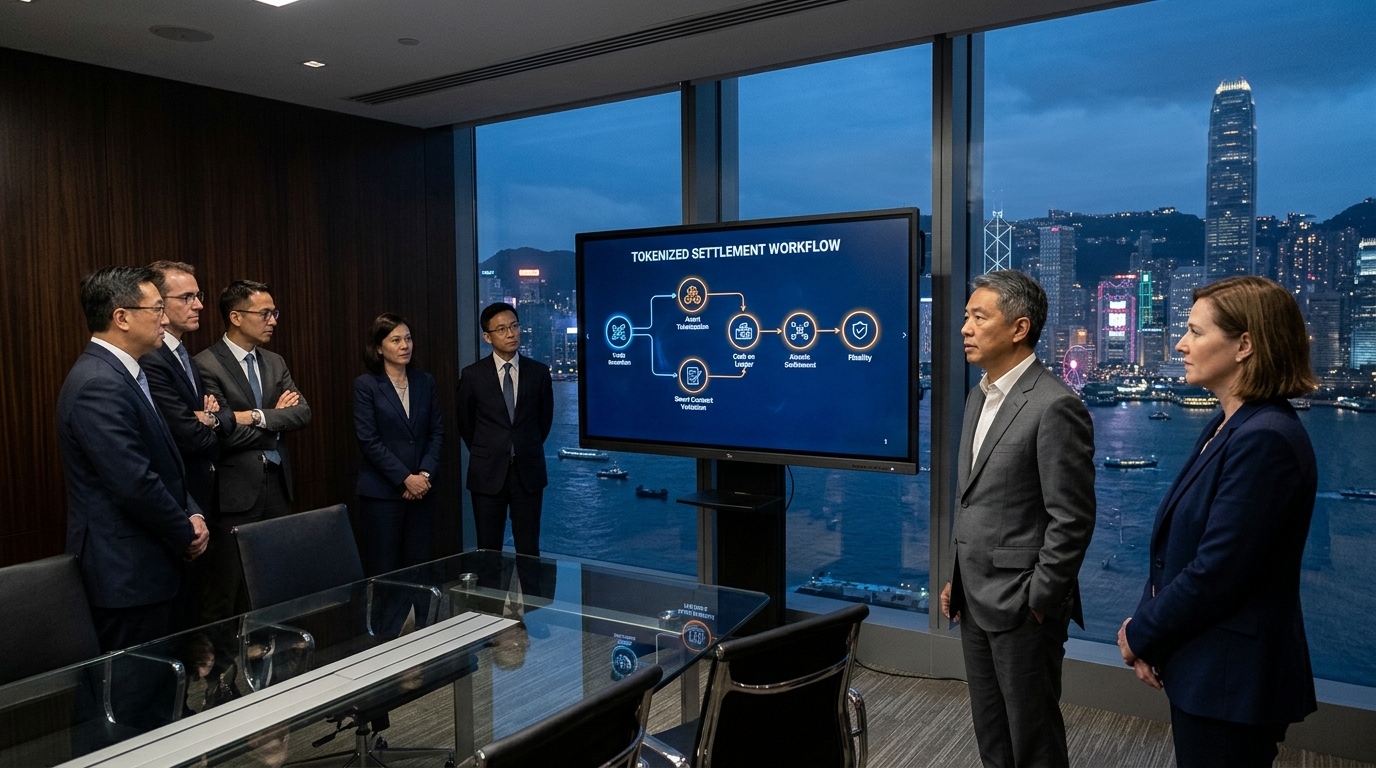
Hong Kong is taking another step in digital-market infrastructure, with plans to move tokenized settlement to round-the-clock operation and to begin stablecoin trials, according to a Cointelegraph report.
The development stands out because it is not another exchange-flow or hack-related crypto headline. Instead, it points to a more structural theme: how regulated financial centers are testing blockchain-based payment and settlement rails for real-world market use.
Why this is bigger than a crypto price story
Tokenized settlement refers broadly to the use of blockchain-based systems to transfer and settle assets or cash claims. A move to 24/7 availability matters because conventional financial infrastructure generally operates within narrower time windows and often depends on batch processing or market-hour limitations.
According to Cointelegraph, Hong Kong also plans stablecoin trials. In practical terms, that suggests policymakers and market participants are exploring how tokenized money could support faster settlement, cross-border transactions or around-the-clock trading activity.
While the headline does not detail the exact scope or timeline of the trials, the policy direction is clear: Hong Kong wants to deepen its role in regulated digital finance rather than limit itself to passive oversight.
A market-structure story, not just a crypto story
This matters to broader markets because settlement infrastructure affects liquidity, counterparty risk and the speed at which capital can move. If tokenized settlement systems become more operationally reliable, financial centers may gain an edge in attracting digital-asset issuance, trading and related services.
For global investors, the significance is less about immediate token prices and more about competitive positioning among hubs such as Hong Kong, Singapore, London and parts of the Gulf.
The 24/7 element is especially notable. Crypto markets never close, but much of the surrounding financial system still does. That mismatch creates frictions. Extending settlement capability to continuous operation is one way authorities can try to reduce those bottlenecks.
Why Hong Kong’s approach deserves attention
Hong Kong has spent much of the past several years trying to define itself as a jurisdiction where digital-asset experimentation can happen within a regulated framework. This latest move is consistent with that strategy.
Unlike purely speculative crypto headlines, market-infrastructure initiatives can have longer-term implications. They may influence:
- Institutional participation by making operational processes more predictable
- Cross-border finance through faster movement of tokenized cash or assets
- Regulatory competition as other centers respond with their own pilots or frameworks
- Stablecoin policy by shifting debate from theory to controlled real-world testing
That makes this relevant not only for crypto-native firms but also for banks, payment companies and asset managers watching how digital settlement evolves.
What the headline confirms
Based on the provided reporting from Cointelegraph, two points are clear:
- Hong Kong is taking tokenized settlement to 24/7 operation.
- Hong Kong plans stablecoin trials.
What remains unclear from the headline alone are the participating institutions, the scale of the pilot, the regulatory conditions attached to the stablecoin testing, and whether the system is aimed primarily at wholesale or broader use cases.
Those details will matter in assessing whether the initiative is mostly symbolic or genuinely operational at scale.
Why this story fits the current market moment
MarketPro readers have shown the strongest interest in macro stories, but editorial memory also suggests crypto coverage works best when tied to systemic or regulatory change rather than exchange-specific incidents. This is exactly that kind of story.
It offers a cleaner signal about where policy and infrastructure are heading, especially after a run of security-focused crypto coverage. For that reason, Hong Kong’s move may prove more durable in market relevance than the latest trading-flow fluctuations.
Neutral outlook: If Hong Kong follows through with credible stablecoin testing and round-the-clock settlement infrastructure, the city could strengthen its position in regulated digital finance. The next key question is whether these pilots scale into mainstream financial use.
MarketPro reports are AI-assisted analyses of publicly reported market news. Not investment advice.