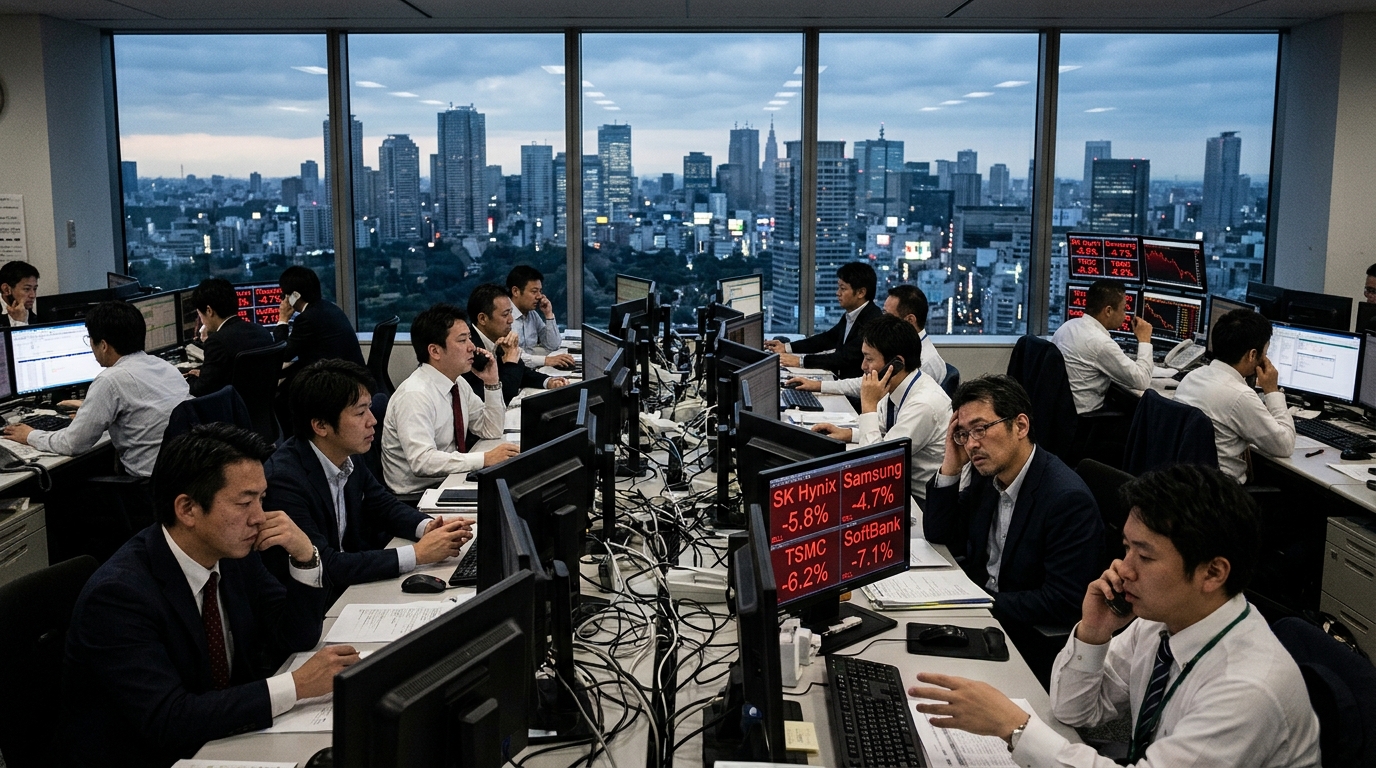
Microsoft’s Neocloud Pullback Signals AI Buildout Strain
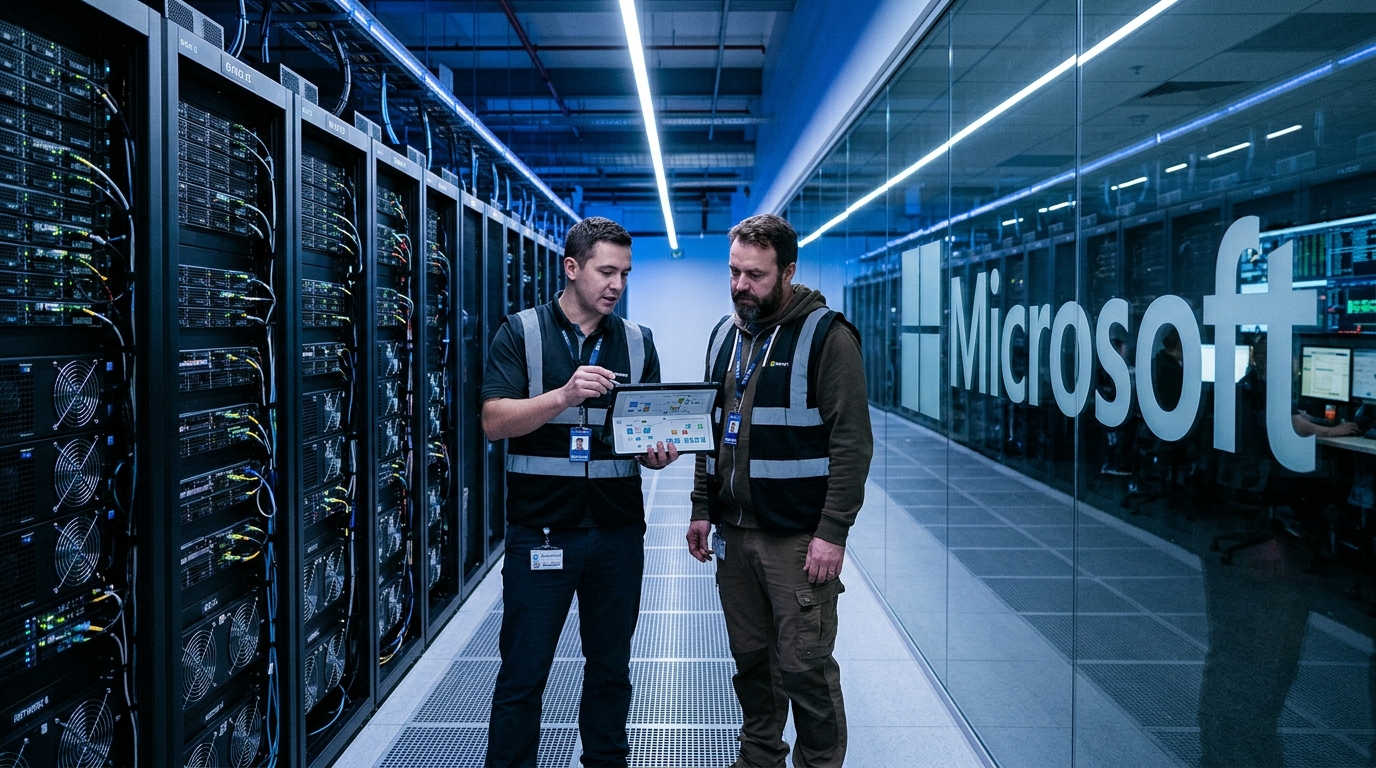
Microsoft’s plan to use fewer neoclouds is a notable new signal from the AI infrastructure buildout, especially after weeks of investor focus on whether spending on chips, data centers and cloud capacity can keep expanding at the same pace. According to CNBC, Microsoft is reducing its reliance on neocloud providers as signs of strain emerge in the AI buildout.
That does not amount to a retreat from artificial intelligence. In fact, another CNBC report said OpenAI will keep investing in AI data centers despite the election outcome, underscoring that large-scale AI infrastructure remains a strategic priority. But Microsoft’s move suggests the industry is entering a more selective phase, where companies are reassessing how capacity is sourced, financed and deployed.
Why the neocloud shift matters
Neocloud providers have benefited from surging AI demand by offering access to specialized compute capacity, often built around advanced graphics processors and rented to startups or enterprise customers that need faster access than traditional cloud procurement allows. If a hyperscaler like Microsoft starts using fewer of these providers, investors may read that as a sign of tighter discipline around infrastructure partnerships.
The headline matters for several reasons:
- Capacity planning: Large cloud companies may be bringing more AI workloads in-house or prioritizing owned infrastructure.
- Cost control: As AI investment scales, margins and utilization rates become more important.
- Financing pressure: Data-center growth has increasingly relied on large capital commitments and debt-heavy structures.
- Supplier implications: Smaller infrastructure intermediaries may face tougher conditions if hyperscalers consolidate demand.
That broader context lines up with a separate MarketWatch headline noting that data centers run on debt and that this was already a problem for bond markets this year. While the two reports address different angles, together they support a larger theme: AI infrastructure demand remains real, but the funding and operating model is under pressure.
Not an end to AI spending
It is important not to overstate the signal. The available headlines do not support the conclusion that big tech is pulling back from AI altogether. In fact, CNBC separately reported that OpenAI intends to keep investing in data centers, and another CNBC headline highlighted policymakers arguing that election results will not stop the AI build-out.
What the Microsoft development does suggest is a shift from expansion at any cost toward a more discriminating allocation of capital. That is a different story from simple demand weakness. Investors have recently had to parse whether sharp selloffs in AI-linked stocks reflect overvaluation fears, temporary positioning or genuine cracks in the investment case. A move to use fewer neoclouds adds evidence that execution and infrastructure economics are becoming just as important as headline demand growth.
Implications for AI-linked stocks
For equity markets, the story is most relevant to three groups.
Cloud and data-center operators
If hyperscalers become more selective, companies that positioned themselves as overflow capacity providers may face tougher pricing or slower contract growth.
Chip and hardware suppliers
The immediate read-through is less direct. Demand for AI hardware may remain substantial, but investors may pay closer attention to who is buying, under what terms and with what return expectations.
Infrastructure financing plays
Any sign that the largest customers are reassessing outsourced capacity could matter for debt-backed data-center projects, especially where revenue assumptions depend on sustained hyperscaler demand.
A market narrative is evolving
Recent AI coverage has often centered on valuations, political support and chip-stock volatility. Microsoft’s neocloud decision adds a more operational layer to the story. It suggests that the market is moving beyond broad enthusiasm and into a stage where procurement choices, financing models and infrastructure efficiency may drive stock reactions more than raw AI optimism alone.
According to CNBC, the change comes as the AI buildout shows signs of strain. That wording is important because it points to friction inside the supply-and-capital chain rather than a simple collapse in end demand. In a market trying to distinguish between cyclical turbulence and structural opportunity, that is exactly the kind of detail investors tend to watch closely.
Neutral outlook: The next phase of the AI trade may depend less on whether companies keep spending and more on how efficiently they fund and structure that spending across cloud, chips and data-center capacity.
MarketPro reports are AI-assisted analyses of publicly reported market news. Not investment advice.