Midterm vote count delay draws calm response from Wall Street
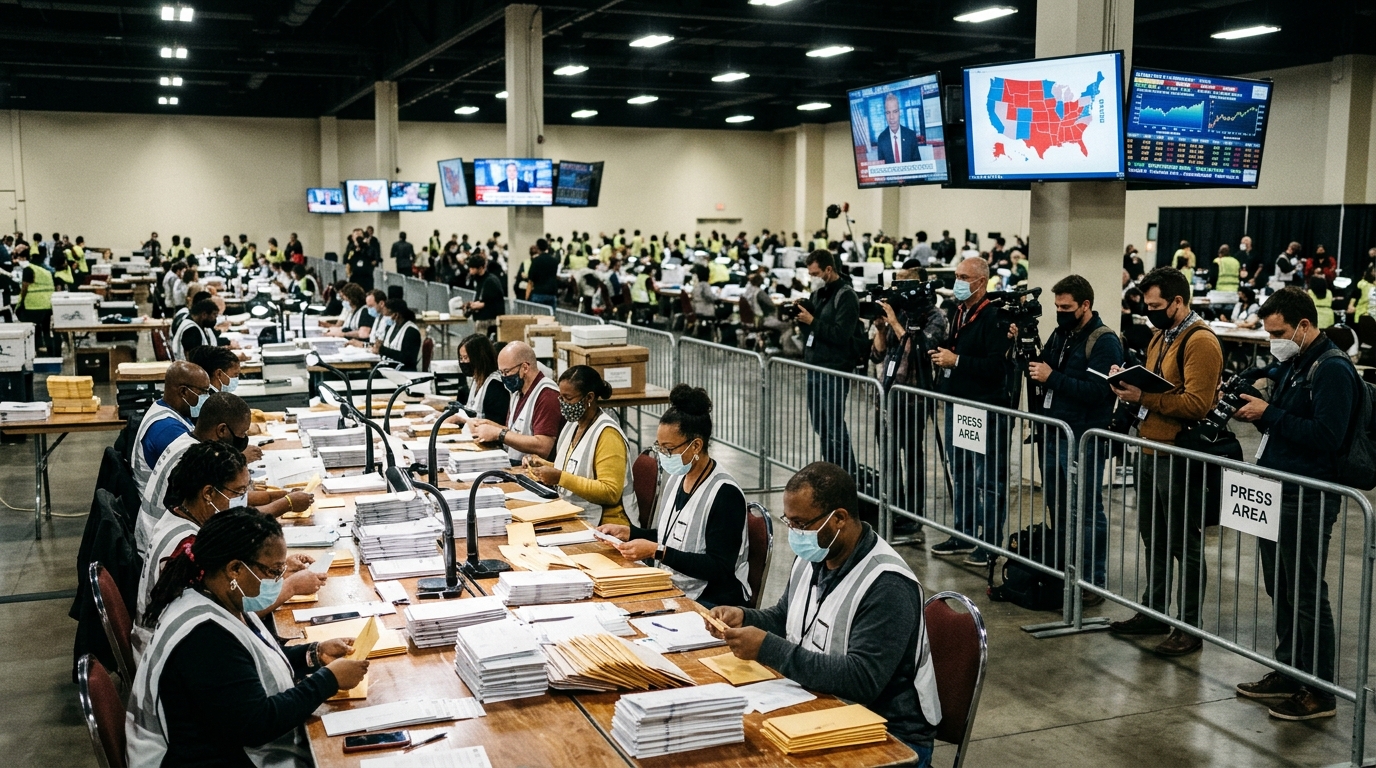
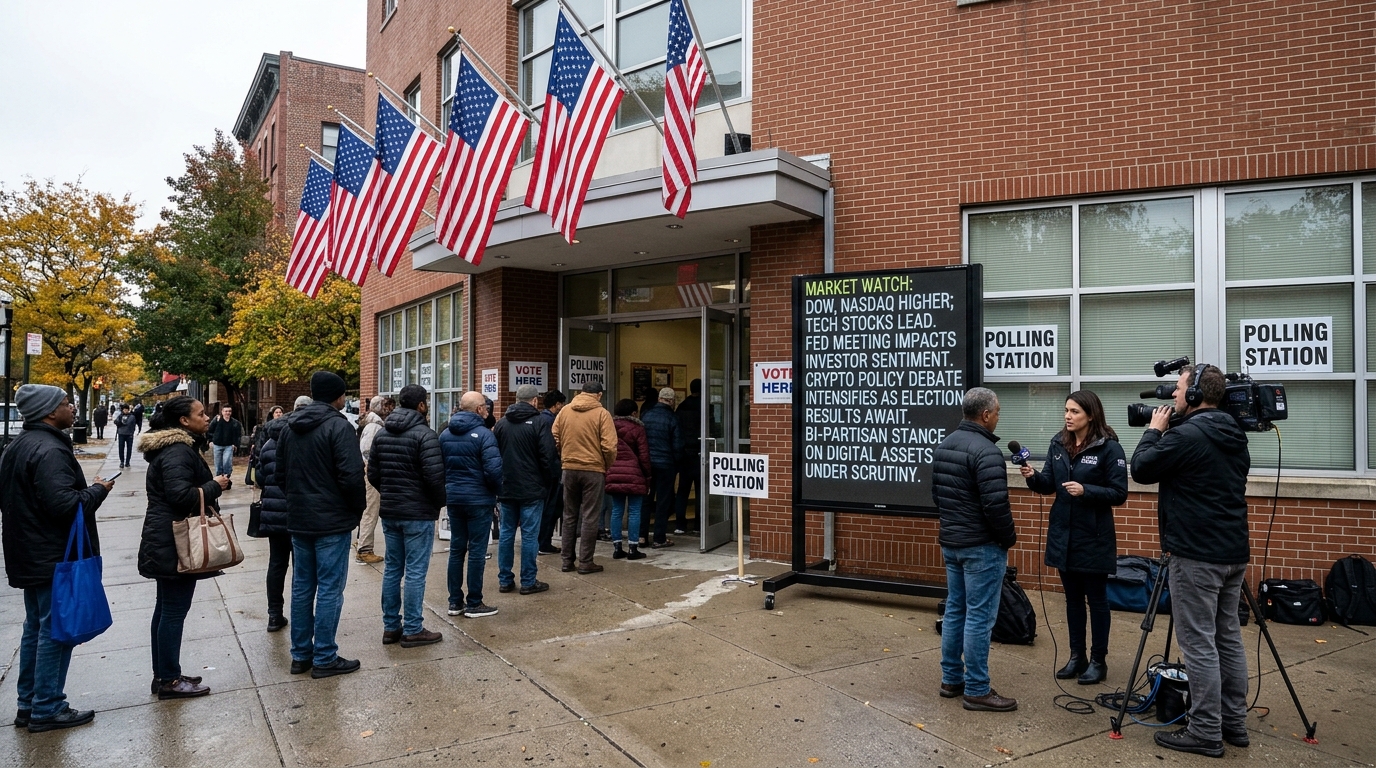
Wall Street appears to be taking a relatively measured view of the possibility that U.S. midterm election results could take time to emerge, with market attention centered less on the pace of the count and more on the policy implications that follow.
According to MarketWatch, it may take weeks to tally the midterm election results, but Wall Street is not showing broad alarm. CNBC, meanwhile, examined what S&P 500 history shows after midterm elections and also outlined how sectors such as defense, healthcare, crypto and AI could be affected by the outcome.
Taken together, those reports suggest investors are approaching the election as a policy and positioning event rather than a one-night binary shock.
Why markets may be staying calm
Delayed election counts are not automatically the same as delayed market pricing. Investors can begin adjusting expectations as partial results come in, especially when the main market questions involve control of Congress, prospects for fiscal legislation and the probability of regulatory shifts.
MarketWatch’s report indicates that the mechanics of vote counting, including the time needed to process ballots, are not by themselves enough to unsettle Wall Street. CNBC’s historical look at the S&P 500 after midterms adds context by showing that investors often focus on the post-election policy backdrop rather than the immediate political headlines.
That distinction matters. Markets typically react more directly to implications for spending, taxation, regulation and debt issuance than to the administrative pace of the vote tally.
What investors are watching most closely
Based on the CNBC and MarketWatch reports, several market channels are likely to matter more than the speed of final race calls:
- Fiscal policy — whether the election changes the likelihood of spending packages or budget standoffs.
- Sector regulation — especially for healthcare, crypto, defense and technology-related themes.
- Treasury supply expectations — which can affect bond yields and broader financial conditions.
- Gridlock versus policy change — a divided government may be interpreted differently from unified control.
That helps explain why election stories can intersect with stocks, bonds and currencies all at once. Even when results are slow, markets tend to move as investors reassess likely legislative outcomes.
Historical context still has limits
CNBC’s review of S&P 500 history after midterms provides a useful framework, but historical patterns do not guarantee a repeat. The current macro backdrop includes ongoing rate sensitivity, inflation scrutiny and election-linked policy uncertainty that could alter how investors respond this cycle.
In addition, a delayed count could matter more if it coincides with legal disputes or if uncertainty affects expectations for fiscal negotiations. CNBC separately reported that the U.S. Department of Justice asked the Supreme Court to block California from counting disputed mail-in ballots, highlighting one area where election administration and legal risk could intersect.
Even so, the broader tone from the available reports remains one of caution rather than panic. Investors appear to be distinguishing between a slower information flow and a systemic market disruption.
Why this is relevant for global markets
U.S. elections can influence more than domestic equities. Policy signals from Washington can affect global risk sentiment, Treasury yields, the dollar and sector allocation worldwide. For international investors, the key question is often not who wins an individual race, but whether the balance of power changes the likely path for trade, spending and regulation.
That is why a gradual vote count may be manageable for markets if the broader governing picture becomes clearer over time. Uncertainty can weigh on sentiment, but orderly counting by itself is not necessarily destabilizing.
Neutral outlook
For now, reports from CNBC and MarketWatch suggest Wall Street is preparing for a potentially extended midterm tally without assuming it will automatically trigger sharp market stress. The bigger market test is likely to be what the final results imply for U.S. policy.
MarketPro reports are AI-assisted analyses of publicly reported market news. Not investment advice.