Nvidia says AI cloud demand is outpacing available capital
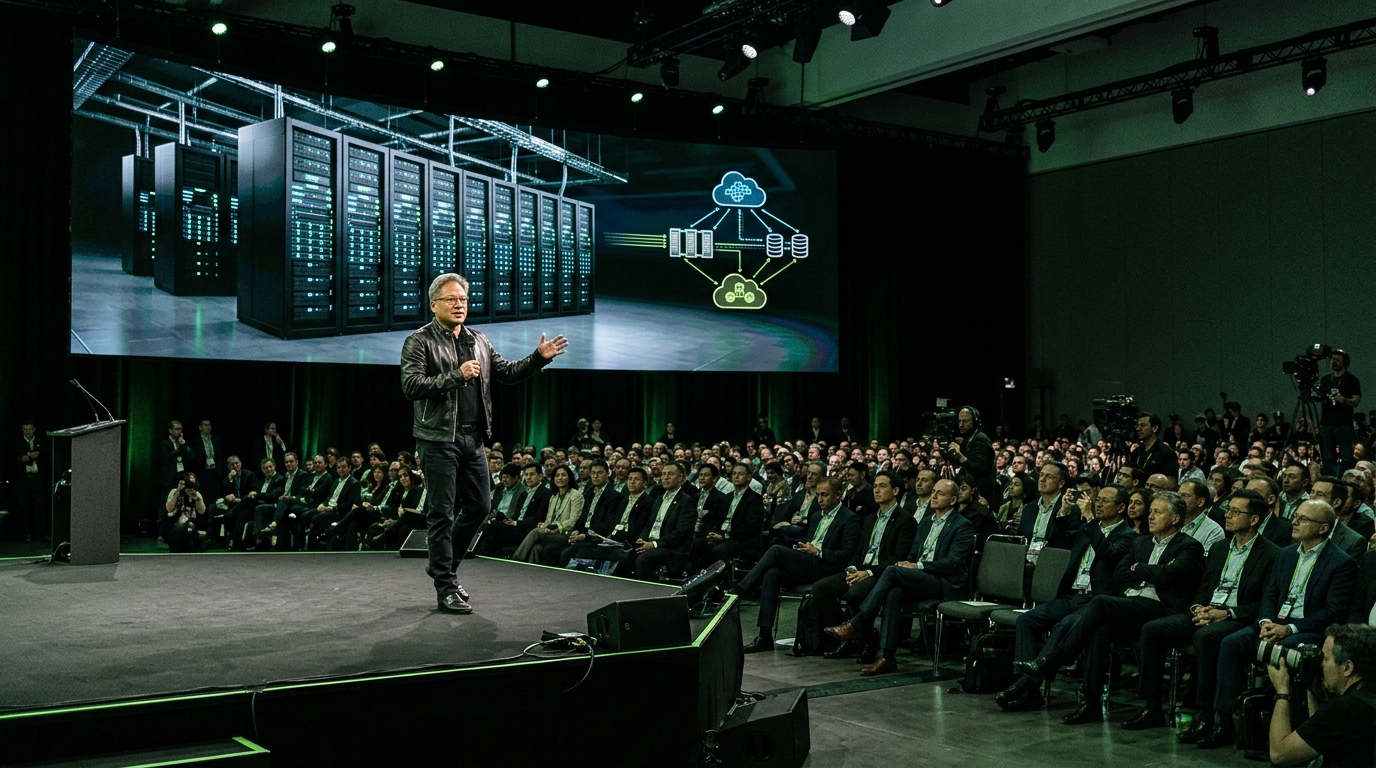
Nvidia is again at the center of the artificial-intelligence buildout story after CEO Jensen Huang said demand for so-called neocloud capacity is "off the charts," while warning that available capital remains a key constraint, according to CNBC.
The comments matter for markets because they sharpen a tension that has been building across the AI supply chain: end demand for computing power appears strong, but the pace at which that demand can translate into revenue may still depend on financing, data-center construction and the ability of customers to fund increasingly expensive deployments.
What Huang’s comments signal
CNBC reported that Huang described neocloud demand as exceptionally strong. Neocloud providers are generally understood to be newer cloud companies or specialist infrastructure operators building capacity around AI workloads rather than traditional enterprise computing.
That distinction is important. It suggests AI demand is broadening beyond the largest incumbent hyperscalers and moving deeper into a wider ecosystem of infrastructure providers, model developers and enterprise-focused compute platforms. For investors, that can reinforce the idea that AI spending is no longer only a story about a handful of technology giants.
At the same time, Huang’s warning on scarce capital introduces a more practical market question: how much of this demand can be financed soon enough to support the next leg of infrastructure expansion?
Why capital scarcity matters
AI infrastructure is unusually capital intensive. Building out capacity requires not just advanced chips, but also power, networking, cooling systems, real estate and access to debt or equity financing. If capital becomes harder to secure, demand may remain real while deployment timelines lengthen.
That distinction can matter for equity markets. Strong stated demand tends to support sentiment around semiconductor and infrastructure names, but financing bottlenecks can affect the timing of orders, data-center launches and customer expansion plans.
MarketWatch, in a separate report on AI investing, said markets are already pricing in long-term AI winners, while also highlighting a veteran investor’s argument that history often rewards customers more than innovators. That broader debate gives Huang’s comments extra relevance: the market is trying to determine not only who supplies AI, but who ultimately captures the economic value once the buildout matures.
Read-through for the broader AI trade
Nvidia’s remarks arrive as investors continue to test the durability of the AI rally. MarketWatch separately reported that one strategist has warned retail investors about chasing the AI advance, while another article noted that Meta is pointing to opportunities beyond digital advertising even as its stock has struggled.
Taken together, those reports suggest investors are becoming more selective. The market is still responding to AI growth narratives, but scrutiny is shifting toward monetization, return on investment and the capital structure needed to sustain expansion.
Huang’s comments fit that transition. They support the argument that demand for AI compute remains robust, yet they also imply that supply growth may be governed as much by balance-sheet capacity and financing conditions as by pure customer interest.
Why this matters beyond Nvidia
The implications go wider than one chipmaker. If capital scarcity slows neocloud expansion, that could ripple across:
- Semiconductors: order timing for accelerators and related components
- Data-center infrastructure: spending on servers, networking and cooling
- Utilities and power: projects tied to electricity demand from AI campuses
- Private markets: fundraising conditions for AI infrastructure vehicles
- Enterprise software: adoption rates if compute remains expensive
It also reinforces a theme that markets have been weighing for months: AI demand may be clear, but the industry still faces real-world bottlenecks in power, facilities, labor and funding.
Market takeaway
According to CNBC, Huang’s message was not that demand is weakening. If anything, it was the opposite. The issue is whether enough capital is available to convert that demand into physical infrastructure at the pace buyers want.
For markets, that keeps Nvidia and the broader AI complex in focus, but with a more nuanced lens than simple growth optimism. Investors are likely to keep watching for signs on customer financing, infrastructure build schedules and whether specialist cloud providers can raise the funds needed to meet demand.
Neutral outlook: The latest signal from Nvidia supports the case for sustained AI infrastructure demand, but capital availability may shape the timing and breadth of the next expansion phase.
MarketPro reports are AI-assisted analyses of publicly reported market news. Not investment advice.