Polymarket probe revives U.S. crypto regulatory risk
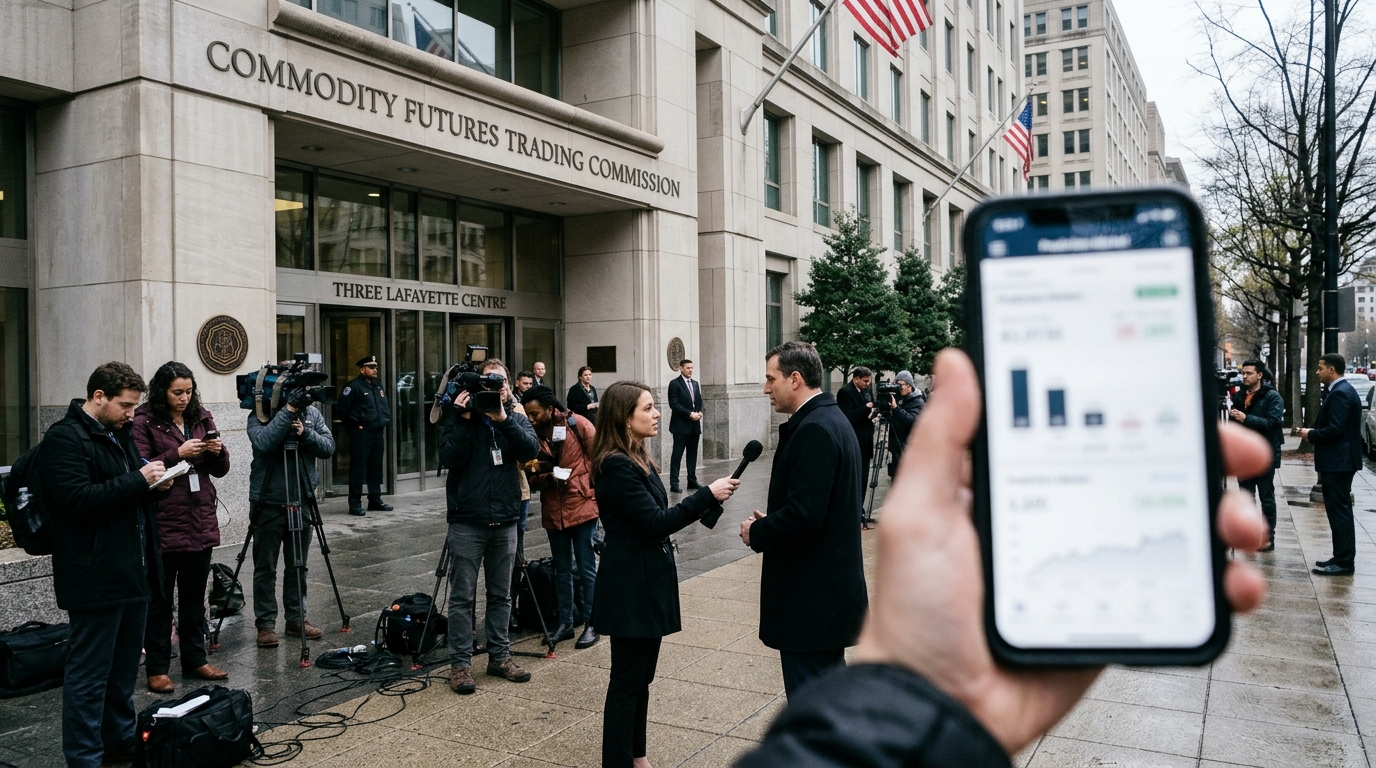
U.S. crypto regulatory risk returned to the spotlight after CNBC reported that Polymarket faces a renewed Commodity Futures Trading Commission probe over U.S. access to its offshore platform, while Cointelegraph separately reported that the CFTC is suing Utah to block action against prediction markets.
Although the two headlines concern different legal and regulatory fronts, together they point to the same underlying theme: prediction markets are becoming a more contested part of the U.S. financial and digital-asset landscape.
Why this matters now
Prediction markets sit at the intersection of derivatives regulation, event-based trading and crypto-enabled market access. That makes them unusually sensitive to shifts in U.S. enforcement priorities. The CNBC report on Polymarket suggests regulators are still focused on whether U.S. users can access offshore venues, a longstanding issue in digital-asset compliance.
Meanwhile, the Cointelegraph report indicates the CFTC is also active on a separate institutional front, seeking to block state action in Utah involving prediction markets. Even without additional case details in the headline, the broader signal is clear: federal-state boundaries and market-access rules are both in play.
For market participants, this matters because regulatory uncertainty can shape platform growth, liquidity, user onboarding and the willingness of institutions to engage with adjacent crypto products.
Prediction markets are moving into the mainstream debate
The renewed scrutiny comes at a time when prediction markets have become harder for traditional finance and policymakers to ignore. What was once a niche corner of online trading now intersects with election contracts, macro hedging, retail speculation and debates about whether these products are information tools, financial instruments or something closer to gaming.
The CNBC headline specifically centers on U.S. access to an offshore platform. That is a critical distinction. In crypto regulation, offshore status has rarely insulated platforms from U.S. scrutiny if regulators believe American users are participating without proper controls.
Cointelegraph’s report on the CFTC’s lawsuit against Utah adds another layer. It suggests the regulatory argument is not only about one company or one platform, but about who gets to define the legal perimeter for prediction-market activity in the United States.
What the market read-through could be
For crypto markets broadly, this does not necessarily imply an immediate price shock. But it does reinforce a familiar pattern: sectors tied to novel market structures can attract fast user growth before legal frameworks catch up. When that happens, the valuation and operating environment for related companies can change quickly.
There are several areas investors may watch:
- Platform access: Whether U.S. users face tighter restrictions on offshore event-trading venues.
- Compliance standards: Whether regulators push for stronger geofencing, identity checks or product limitations.
- Federal versus state authority: Whether court disputes reshape how prediction markets are supervised.
- Spillover to crypto infrastructure: Whether wallets, payment rails or stablecoin-linked settlement tools face closer review when tied to event markets.
The issue also matters beyond crypto-native traders. Prediction markets increasingly overlap with topics followed by macro investors, political-risk desks and media audiences. That wider relevance helps explain why regulatory actions in this niche can have an outsized visibility effect.
Cross-verified takeaway
The two reports do not describe the same proceeding, but they do independently confirm that prediction markets remain under active U.S. regulatory pressure. According to CNBC, Polymarket is facing renewed CFTC scrutiny over American access to its offshore venue. According to Cointelegraph, the CFTC is also engaged in court action against Utah over prediction-market oversight.
That combination is enough to mark prediction markets as a live U.S. policy story again, particularly for readers tracking crypto regulation rather than just token prices.
Neutral outlook: The next key signals are likely to come from enforcement detail, court filings and any evidence that platforms or counterparties are changing U.S. access policies in response.
MarketPro reports are AI-assisted analyses of publicly reported market news. Not investment advice.