Ripple Trust Bank Approval Extends Crypto-Banking Shift
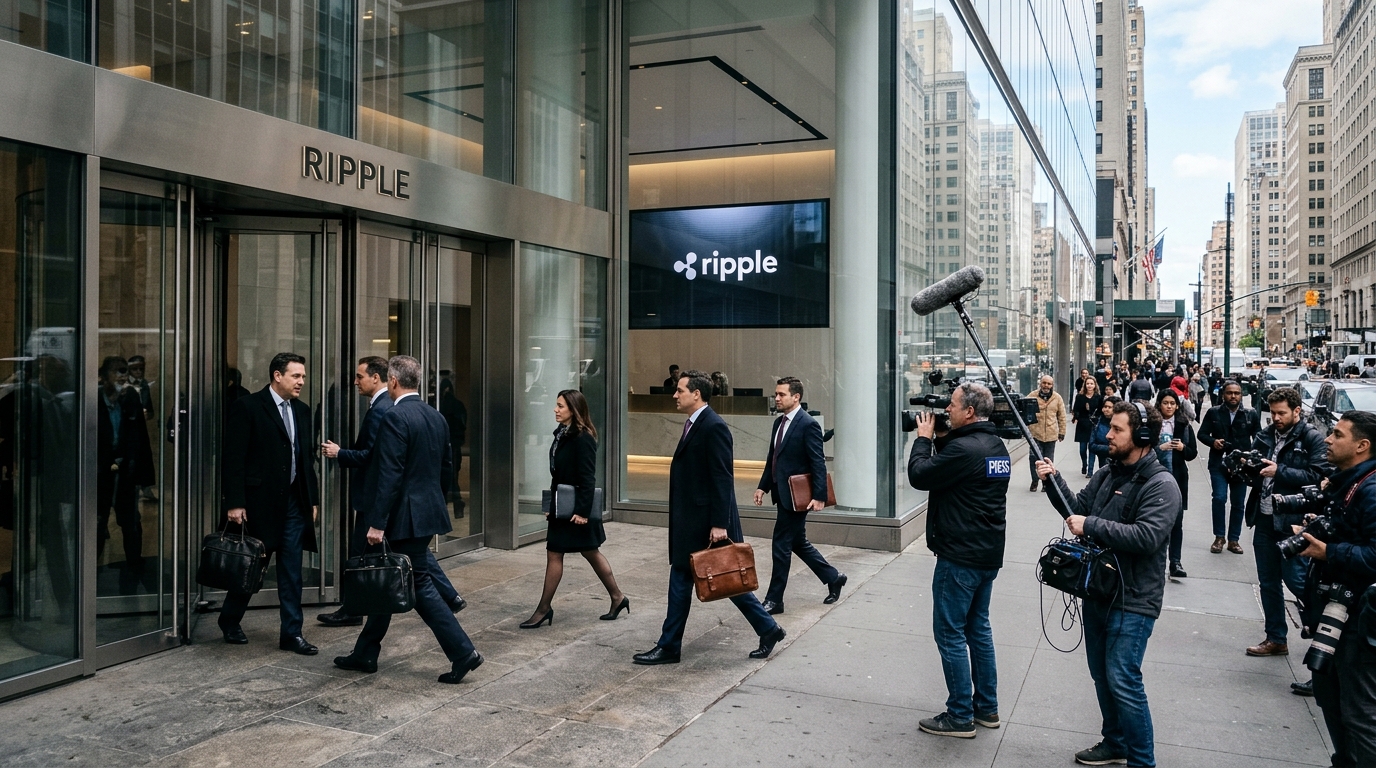
Ripple’s reported final approval for a U.S. national trust bank marks a notable step in the steady convergence of crypto firms and regulated financial infrastructure. According to Cointelegraph, the approval gives Ripple a new foothold inside the formal banking framework at a time when digital-asset companies are increasingly seeking legitimacy through supervision, custody and payments rails rather than through market narrative alone.
The development stands out because it points to a deeper industry shift. Over the past several years, crypto companies have often focused public attention on token prices, product launches or legal disputes. But the more consequential story may now be about infrastructure: who can custody assets, who can issue payment products, and who can operate within recognized regulatory channels.
Why a trust-bank structure matters
A trust-bank approval is not simply a branding exercise. In U.S. finance, trust structures can play important roles in custody, fiduciary services and asset administration. For a crypto firm, access to that framework may strengthen its ability to serve institutions that require a higher level of legal and operational certainty.
Cointelegraph’s report suggests Ripple has cleared a meaningful regulatory threshold. Even without broader details in the headline, the significance is clear: a digital-asset company is moving closer to the core plumbing of finance, where reliability, oversight and settlement capacity often matter more than headline token performance.
A wider policy trend is emerging
This story does not stand alone. Cointelegraph also reported that Canada has opened a consultation on stablecoins, citing the U.S. GENIUS Act, and that South Korean lawmakers are considering delaying crypto-tax implementation until 2029. Taken together, these headlines suggest policymakers in multiple jurisdictions are spending less time debating whether crypto exists and more time deciding how it should fit into the financial system.
That trend is important for markets because regulatory clarity can alter competitive positioning. Firms with banking, custody or payments capabilities may gain an advantage over those still dependent mainly on trading volumes or loosely defined platform activity.
The trust-bank approval also arrives against a backdrop of security concerns in parts of the crypto ecosystem. Cointelegraph separately reported on a Keystone breach involving a key used to verify wallets as genuine. That contrast is telling. On one side, the sector is pursuing greater institutionalization. On the other, operational and security risks remain highly relevant. The winners may be the firms best able to convince users, counterparties and regulators that they can manage both dimensions at once.
What market participants may infer
- Institutional ambition: Crypto firms continue to pursue regulated status to deepen their role in custody, settlement and payments.
- Policy maturation: Stablecoin and tax consultations show governments are building rulebooks, not just reacting to volatility.
- Infrastructure competition: Banking access may become a differentiator across digital-asset platforms.
Why this matters beyond Ripple
For the broader market, the Ripple development may be less about one company and more about the direction of the industry. As crypto matures, valuation and adoption narratives are increasingly linked to operational trust. A firm that can operate under a regulated banking framework may find it easier to engage institutional clients, build payment products or integrate with traditional financial partners.
That does not eliminate the sector’s risks. Regulatory standards can tighten, competitive pressures can rise, and security incidents can still undermine confidence. But the strategic path is becoming clearer: parts of crypto are trying to become less like speculative outposts and more like supervised financial utilities.
According to Cointelegraph, Ripple’s approval is one of the clearest examples of that shift in today’s headlines.
Neutral outlook: The market impact will depend on execution and regulatory follow-through, but the direction of travel is increasingly toward bank-like infrastructure and formal oversight in crypto.
MarketPro reports are AI-assisted analyses of publicly reported market news. Not investment advice.