Saudi attack report and IEA warning keep oil on edge
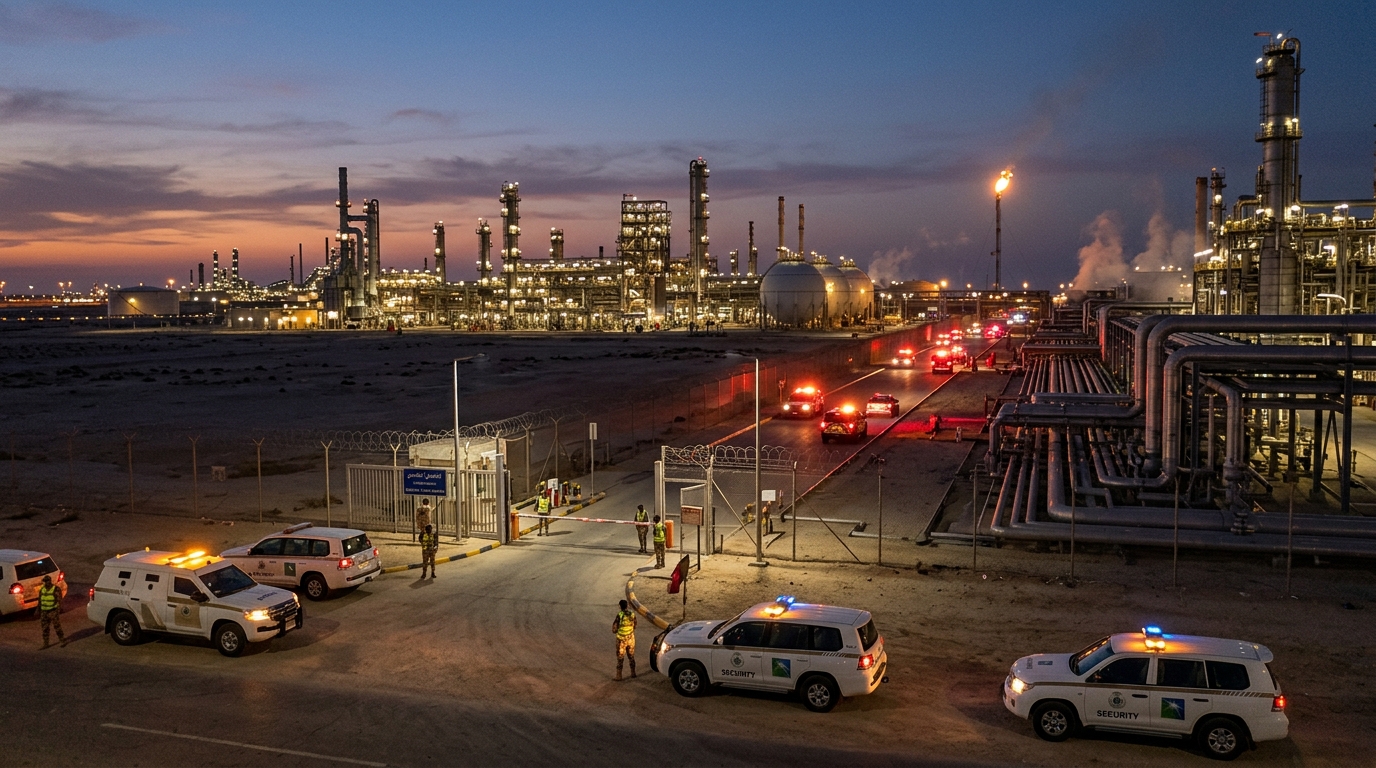
Oil markets stayed unsettled after two separate developments reinforced supply-risk concerns: an International Energy Agency warning on market constraints and Saudi officials’ statement that Aramco facilities had been attacked, according to CNBC. The combination left crude prices choppy as traders balanced immediate geopolitical risk against the broader question of how much spare flexibility the market still has.
The developments are notable because they introduce a fresh angle beyond the broader Middle East tension already covered in recent sessions. Here, the focus is not only on regional instability but on the operational vulnerability of core energy infrastructure and the IEA’s assessment of tighter market conditions.
Why this moved oil
According to CNBC, the IEA warned about market constraints at the same time Saudi officials said Aramco facilities had been attacked. That pairing is important for commodities traders. Geopolitical headlines on their own can cause a temporary spike, but when they land alongside concerns about limited slack in supply chains, the market may react more sharply.
Investing.com added another relevant policy angle, reporting that the European Union has proposed a delay to methane rules for oil and gas imports. While that is a separate issue, it underlines how regulation, energy security and physical supply remain intertwined for the global oil market.
When supply systems appear constrained, even a threat to infrastructure can command outsized attention. Saudi Aramco facilities are central to the global energy network, and any report involving attacks is likely to trigger reassessments of near-term risk premiums, shipping assumptions and the resilience of downstream flows.
Infrastructure risk is back in focus
The oil market has repeatedly shown that perceived threats to key facilities can matter almost as much as confirmed physical disruption, especially in a tightly balanced environment. Traders often ask three immediate questions:
- Was production directly affected?
- Could exports or refining be disrupted?
- How much spare supply capacity exists elsewhere?
The available headlines do not provide answers to all of those questions, so caution is warranted. What is clearly supported is that Saudi officials reported attacks on Aramco facilities and that the IEA flagged constraints in the market, according to CNBC.
That is enough to explain why prices traded unevenly rather than in a straight line. Without verified details on lasting damage or supply losses, the market appears to be pricing risk while waiting for greater clarity.
What the IEA warning adds
The IEA’s warning is central because it shifts the conversation from a single headline risk to a structural question: how much buffer remains if another disruption hits? In a looser market, traders may fade geopolitical spikes more quickly. In a constrained market, those same headlines can linger longer because replacement barrels may be harder to secure.
This backdrop also matters for refined products, freight costs and inflation expectations, especially if volatility in crude persists. Energy is still a critical input across transportation, manufacturing and consumer prices. If the market concludes that supply flexibility is narrowing, that can ripple into broader asset pricing even when there is no confirmed large-scale outage.
Why the move was choppy, not one-way
The mixed price action likely reflects uncertainty rather than complacency. Traders are reacting to a serious headline set, but they also appear to be withholding judgment until there is more confirmation on operational impact. That is a typical pattern when the geopolitical signal is strong but immediate physical effects are unclear.
It also suggests the market is distinguishing between risk to supply and actual supply loss. The former can lift prices quickly; the latter tends to sustain moves for longer if confirmed.
According to CNBC, the latest session captured exactly that tension. The IEA’s constraints warning provides a supportive backdrop for risk premiums, while the reported attacks on Aramco facilities keep attention fixed on whether a security event could develop into a broader supply issue.
Neutral outlook: Oil markets may remain sensitive to follow-up statements from Saudi officials, operational updates from Aramco and any further guidance from the IEA on how tight global supply conditions remain.
MarketPro reports are AI-assisted analyses of publicly reported market news. Not investment advice.