SEC tokenization warning keeps crypto compliance in focus
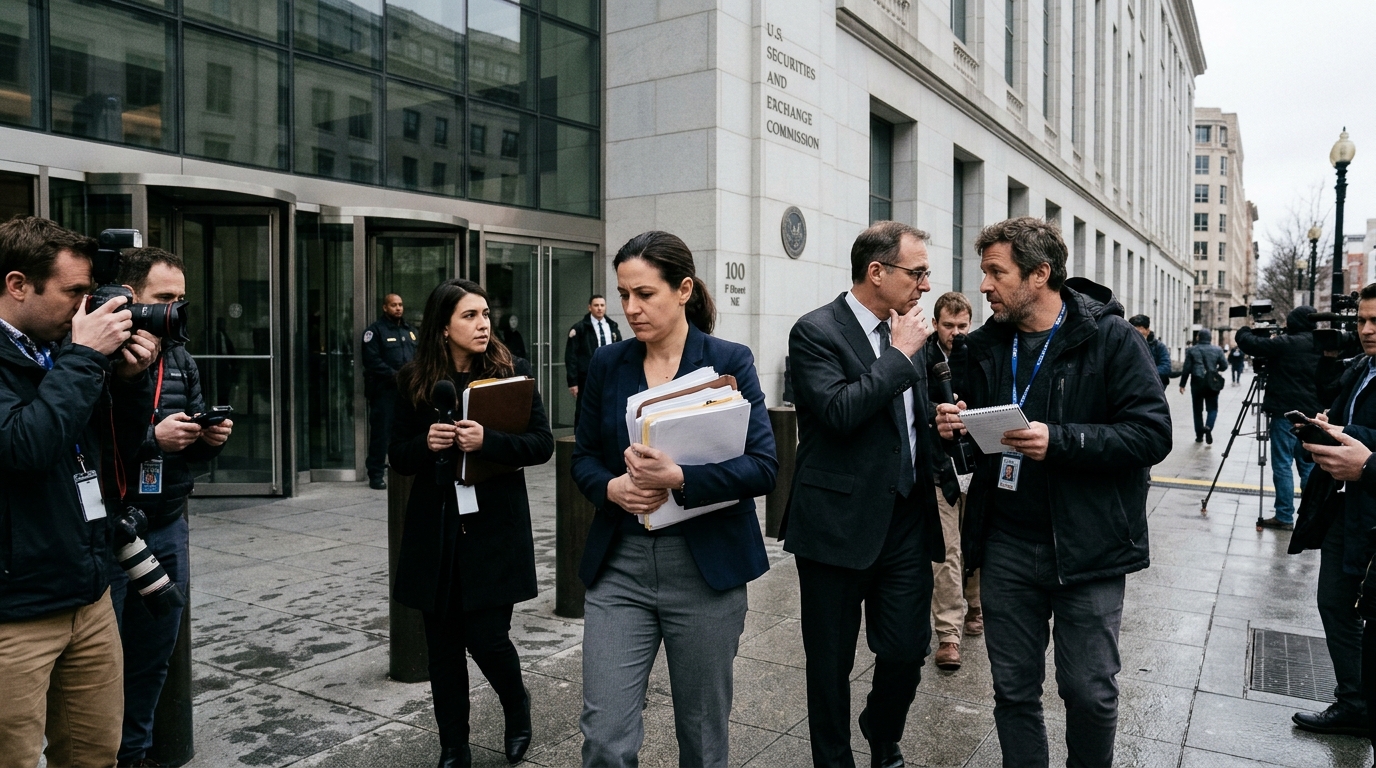
Regulatory risk is back at the center of crypto markets after Cointelegraph reported that the U.S. Securities and Exchange Commission has flagged tokenization as a high-risk area in its 2027 market examinations. That warning arrived alongside another Cointelegraph report that New York Attorney General Letitia James is seeking $1.37 billion from the founders of NovaTech over an alleged Ponzi scheme.
While the two stories involve different parts of the digital-asset landscape, together they reinforce a common message for markets: U.S. authorities remain focused on policing fast-growing crypto segments and on pursuing enforcement where they see investor harm. For traders, issuers and crypto-linked financial firms, that raises the compliance premium across the sector.
Why tokenization is drawing scrutiny
Tokenization has become one of the most closely watched themes in digital finance because it promises to bring traditional assets onto blockchain-based rails. In theory, that can improve settlement, transferability and market access. But according to Cointelegraph, the SEC now sees the area as important enough to elevate in its examinations program.
That matters because examinations are not the same as rulemaking, but they do signal where regulators believe operational, disclosure, custody or investor-protection risks may be building. In market terms, the headline suggests firms involved in tokenized products may face more questions about controls, documentation and the treatment of customer assets.
It also indicates that tokenization, despite industry enthusiasm, is no longer a niche topic from a regulatory perspective. Once an area becomes part of examination planning, compliance teams, legal departments and institutional counterparties typically pay closer attention.
Enforcement pressure remains a parallel risk
The second headline adds weight to that picture. Cointelegraph reported that the New York attorney general is seeking $1.37 billion from NovaTech’s founders over an alleged Ponzi scheme. Even though that case is separate from tokenization, it reinforces a broader pattern: regulators continue to use large fraud actions to underline that crypto-related misconduct remains a priority.
For the market, high-profile enforcement can have spillover effects beyond the firms directly involved. It can shape due-diligence standards, make distribution partners more selective and increase pressure on platforms to demonstrate stronger monitoring and governance.
That is especially relevant at a time when parts of the crypto industry are trying to appeal to more mainstream users and institutions. Greater adoption tends to bring greater supervisory attention, not less.
What this means for crypto markets now
The immediate price reaction may not be as dramatic as a large exchange failure or a sudden policy ban. But compliance stories can matter over a longer horizon because they influence which business models scale and which ones become harder to operate.
- Tokenization platforms may face more detailed examination of product structure and investor disclosures.
- Exchanges and brokers could see added pressure to screen offerings and counterparties more carefully.
- Institutional investors may demand clearer legal and operational protections before expanding exposure.
This is particularly important because crypto markets are trying to mature while still carrying reputational baggage from earlier failures. Regulatory attention can support that maturation if it improves standards, but it can also slow growth if firms are unprepared for higher compliance costs.
A market structure story, not just a legal one
These developments are best understood as market-structure news rather than isolated legal events. The SEC’s reported focus on tokenization suggests the next phase of crypto oversight may increasingly target how digital-asset products are built, supervised and sold. The NovaTech action, meanwhile, is a reminder that fraud enforcement remains active and politically visible.
For global investors, that combination may strengthen the divide between regulated or regulation-ready crypto businesses and those still relying on looser operating models. In practical terms, the winners in the next cycle may be the firms that can show durable compliance infrastructure rather than just user growth.
What to watch next
Investors will be looking for any further detail on what the SEC means by “high-risk” in tokenization examinations, including whether the concern centers on custody, disclosures, valuation, marketing or all of the above. They will also watch whether other U.S. agencies or state regulators echo the tougher tone reflected in the NovaTech case.
Neutral outlook: The latest U.S. headlines do not end the tokenization story, but they do suggest crypto’s next growth phase will be shaped as much by compliance standards and enforcement risk as by technology adoption.
MarketPro reports are AI-assisted analyses of publicly reported market news. Not investment advice.