SpaceX debt deal spotlights AI financing divide
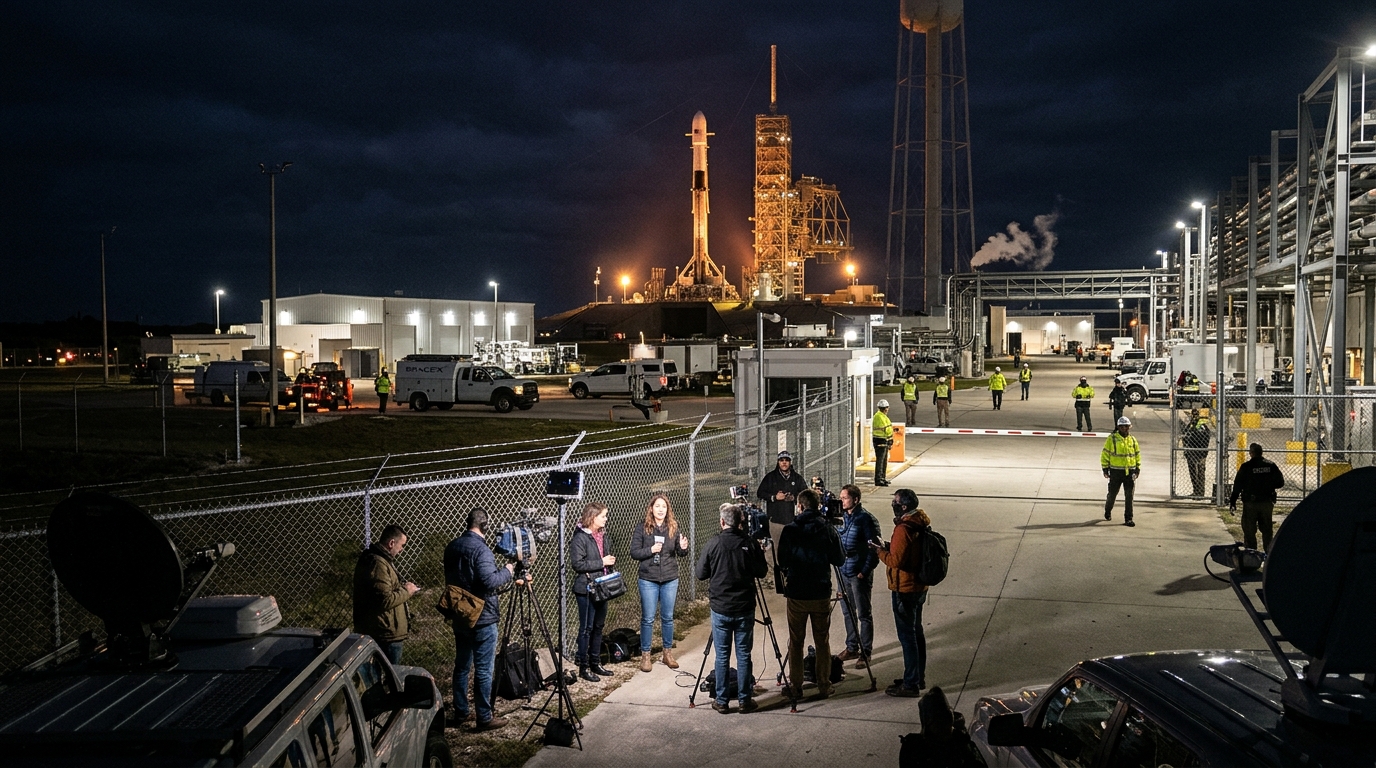
SpaceX’s reported $40 billion debt deal is emerging as one of the day’s most important corporate-financing stories, not just because of its size but because of what it may signal about the changing structure of the AI boom. The development was reported by CNBC, MarketWatch and Investing.com, giving it the strongest multi-source support among the corporate headlines on the wire.
According to those reports, Elon Musk said SpaceX completed the debt financing. MarketWatch and Investing.com also said Musk warned of potential trouble ahead for some AI rivals, particularly in the “neocloud” segment. Taken together, the headlines suggest a split market: capital remains available for the largest, best-known platforms, but weaker or more speculative players may face a tougher environment.
Why this matters beyond one company
The AI trade has relied not only on optimism about future demand, but also on an enormous willingness from debt and equity markets to finance infrastructure, chips, data centers and cloud capacity. A $40 billion debt deal, if completed as reported, underlines that large pools of capital are still prepared to back major technology ecosystems.
But the warning attached to the announcement may be just as important as the financing itself. If some AI-linked companies are at risk of a shakeout, investors may become more selective about which business models can survive rising capital intensity. That would mark a shift from the earlier phase of the AI rally, when exposure alone often attracted enthusiasm.
This fits with another headline from CNBC, which said Nvidia’s role as an AI financier faces its first big test as neoclouds take a market hit. Although that is a separate story and should not be overstated beyond the headline, it points in the same direction: AI funding conditions may be evolving from broad support to more rigorous scrutiny.
A test for credit appetite and tech leadership
The market significance of the SpaceX deal lies partly in credit conditions. Large debt transactions can serve as informal stress tests for investor appetite. When markets absorb sizeable financing for a top-tier issuer, it can be read as evidence that funding channels remain open. At the same time, that openness does not necessarily extend equally to smaller companies without the same scale, profile or strategic relevance.
That distinction matters for listed technology and semiconductor names. Investors have spent much of the past year treating AI as a broad-based growth theme, but financing gaps can create winners and losers inside the same sector. If well-capitalized leaders can keep raising money while smaller competitors struggle, market concentration could deepen further.
Signals investors may take from the reports
- Capital remains available: large AI and infrastructure players may still have strong access to debt markets.
- Selectivity is rising: warnings about neocloud pressure suggest not all AI-linked companies are viewed equally.
- Credit conditions matter: funding access may become a bigger driver of equity performance inside tech.
- AI leadership may narrow: dominant firms could strengthen their position if weaker rivals cannot finance expansion.
Set against a more fragile equity backdrop
The broader stock-market context makes the story more relevant. MarketWatch reported that more than a third of S&P 500 companies are about to report earnings as market confidence cracks. In an environment where investors are already reassessing valuations and growth assumptions, signs of divergence inside the AI complex can carry outsized importance.
There is also an important limit to the interpretation. The available headlines do not provide detailed financing terms, creditor identities or a fuller breakdown of SpaceX’s use of proceeds beyond references to AI chips in CNBC’s wording. That means the debt deal should be viewed as a strong signal of market access, but not yet as a complete map of the next phase of AI capital spending.
Even so, the cross-confirmed reports make one conclusion hard to avoid: the AI story is no longer only about demand and excitement. It is increasingly about financing power, balance-sheet strength and which companies can keep funding expansion if the market becomes less forgiving.
The short neutral outlook: investors are likely to watch whether the reported SpaceX financing reinforces confidence across AI infrastructure names or sharpens concerns about weaker, more leveraged rivals.
MarketPro reports are AI-assisted analyses of publicly reported market news. Not investment advice.