Cybercab Expansion Puts Tesla Execution Back in Focus
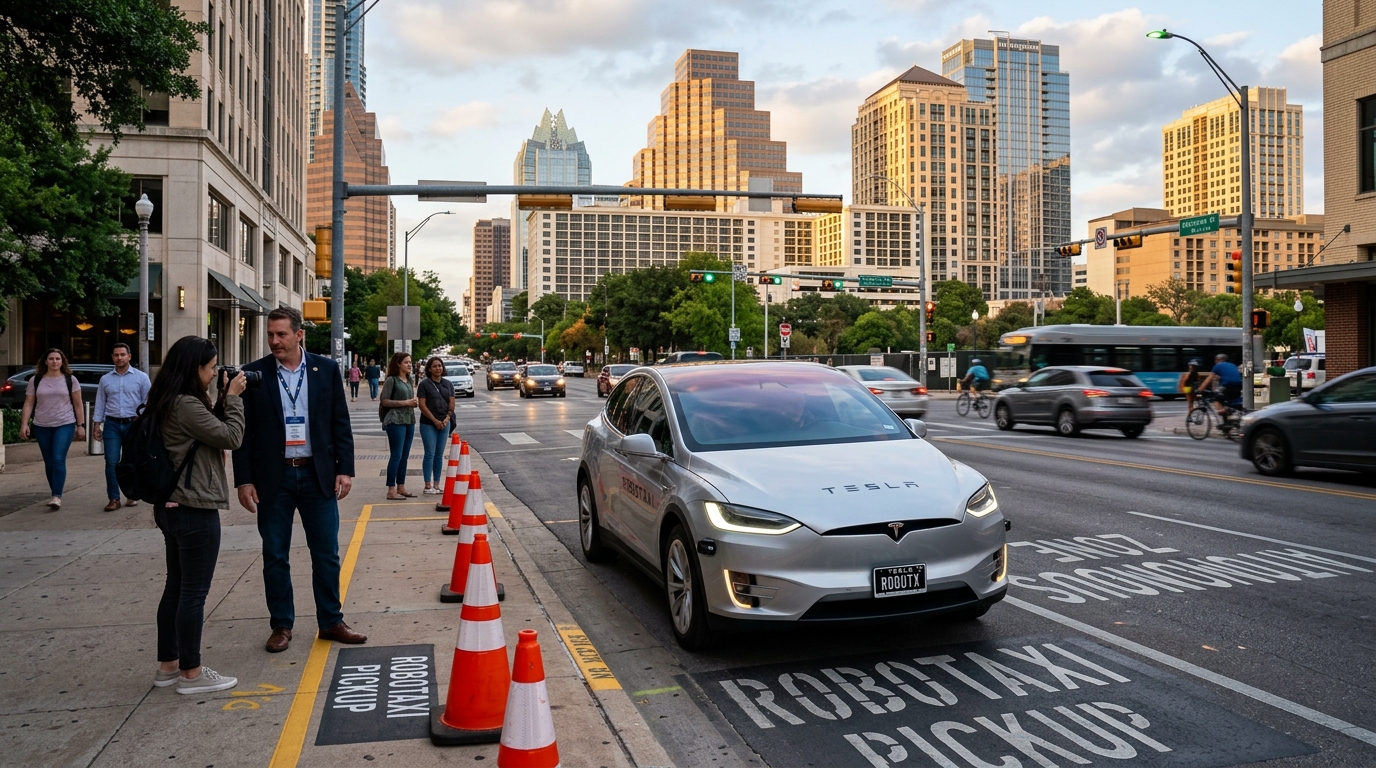
Tesla’s Cybercab effort is entering a more consequential stage after what CNBC described as a rocky first month in Austin. The next test is not simply whether the service can operate in one city, but whether Tesla can expand it in a way that is operationally reliable, commercially credible and scalable.
That makes the story relevant well beyond the company’s vehicle lineup. For markets, the issue is execution. A difficult launch can often be absorbed if a company shows it can improve service quality, manage safety expectations and build a repeatable rollout model. Expansion is where those claims face harder scrutiny.
Why the expansion phase matters more
Early pilots frequently attract attention because they showcase technology. But investors tend to focus more heavily on the next step: whether the model works outside a limited launch setting. CNBC reported that Tesla now faces the harder task of broadening Cybercab operations after its uneven start in Austin.
That shift matters because scaling an autonomous or semi-autonomous ride platform involves more than adding vehicles. It can require coordination with local roads, rider pickup patterns, safety processes, support operations and public acceptance. Even when a first launch generates interest, an expansion phase can expose bottlenecks that are less visible in a contained test market.
For Tesla, that raises a familiar market question: whether a high-profile product initiative can move from concept and publicity into repeatable delivery.
What markets are likely to watch
The Austin experience may now serve as a benchmark for how analysts and investors assess Tesla’s broader transportation ambitions. If expansion proceeds smoothly, the narrative may center on operational learning and gradual improvement. If problems persist, attention could shift toward cost discipline, regulatory tolerance and timelines for wider deployment.
Because CNBC framed the first month as rocky, markets are likely to focus less on vision and more on evidence. That could include service consistency, rider experience, the pace of geographic expansion and how Tesla addresses issues that surfaced in the launch period.
The company’s challenge is that autonomous mobility stories tend to draw heightened expectations. As a result, setbacks that might be treated as routine in other transport pilots can become more material for sentiment when tied to a company as closely followed as Tesla.
Austin as a proving ground
Austin has increasingly become a useful test case for emerging mobility projects, in part because it combines population growth, an active technology base and strong investor interest in transportation innovation. A launch there can provide visibility, but it also creates a public scoreboard.
If Tesla can demonstrate that Austin problems were early-stage growing pains rather than structural flaws, the city could still become an important reference point for future deployments. If not, the market may treat Austin as evidence that scaling the concept could take longer or prove more costly than expected.
That distinction is especially important in a market environment where investors have become more selective about long-duration growth stories. Ambitious platform strategies still attract interest, but they increasingly need operational proof.
Broader read-through for the sector
The Cybercab story also has implications beyond Tesla. It feeds into a wider market debate over how quickly autonomous transport can shift from pilot projects to commercially meaningful services. A bumpy rollout by one of the sector’s most visible names can reinforce the view that real-world deployment remains difficult even when technological confidence is high.
At the same time, a measured expansion could support the idea that mobility platforms should be judged over multiple operational phases rather than by a single launch window. That is why the coming stretch may matter more than the opening month itself.
According to CNBC, Tesla’s immediate challenge is expansion. For investors, that means the company is moving into the stage where process, reliability and local execution could shape the market narrative more than headline ambition.
What to watch next
- Operational consistency: whether service issues ease as Tesla gains experience in Austin
- Expansion pace: whether Tesla broadens the rollout cautiously or aggressively
- Market reaction: whether execution progress changes sentiment around Tesla’s mobility strategy
Neutral outlook: Tesla’s Cybercab program remains a closely watched mobility story, but the market response is likely to depend on whether the company can turn a difficult launch into a more disciplined expansion phase.
MarketPro reports are AI-assisted analyses of publicly reported market news. Not investment advice.