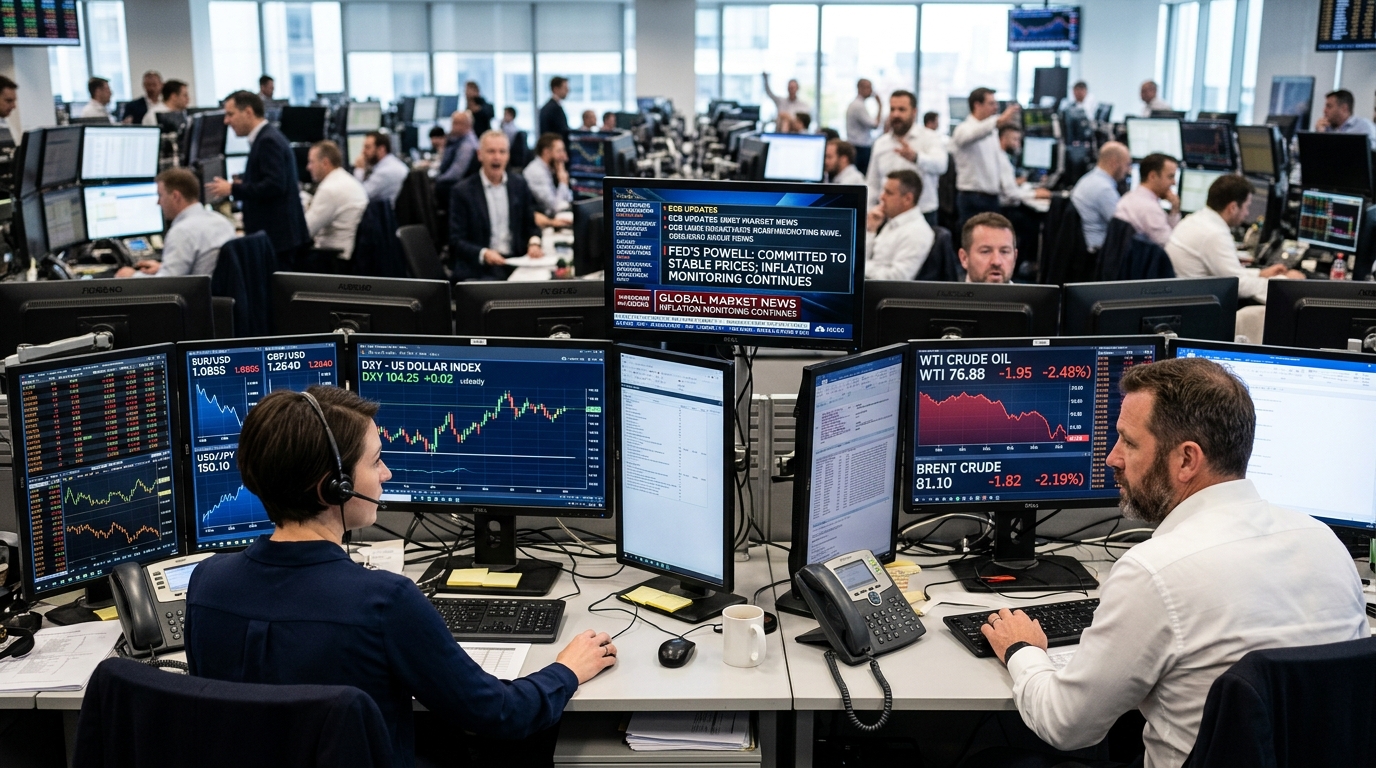
Treasury Yield Drop Reshapes the Global Market Mood
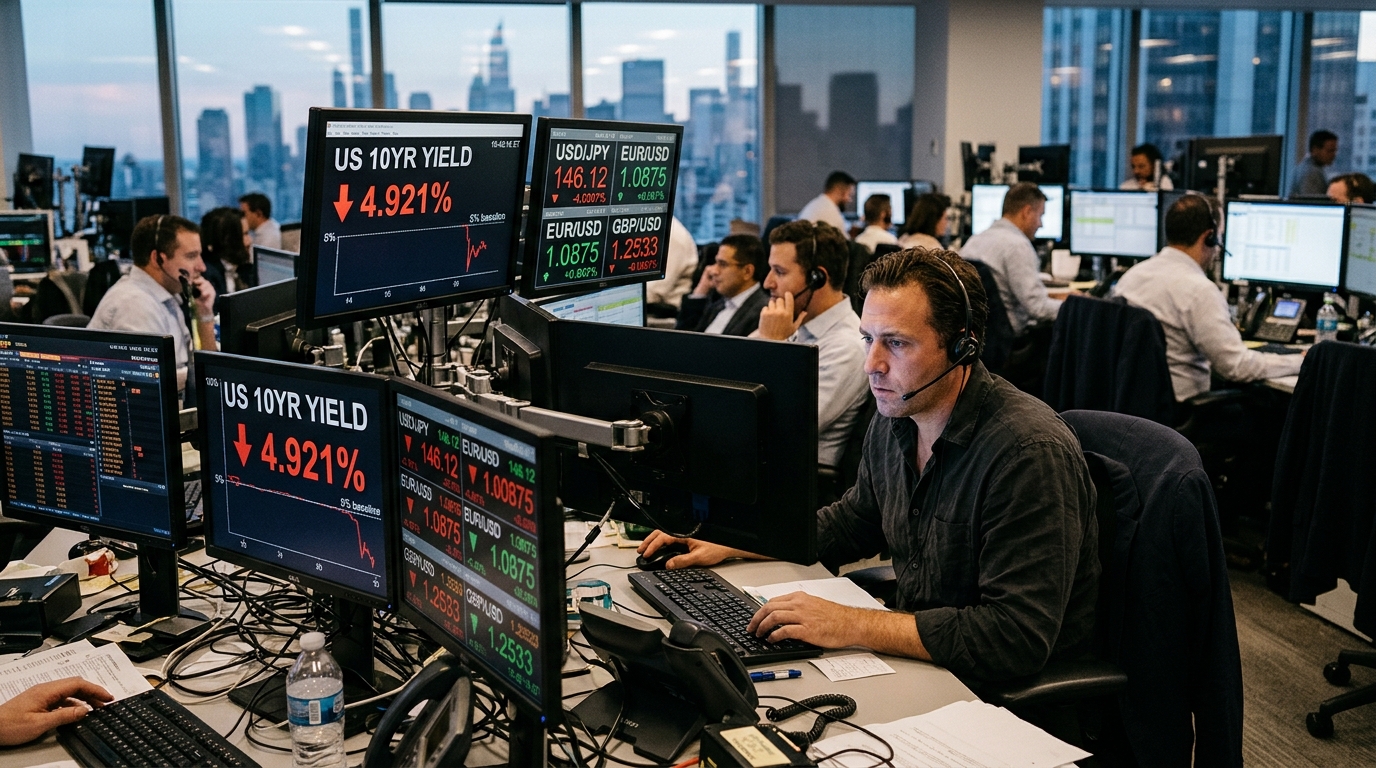
A sharp move in the U.S. bond market became one of the most important global macro developments of the day, with implications well beyond fixed income. CNBC reported that the 10-year Treasury yield fell below 5% to its lowest level in nearly a month, while MarketWatch said Treasury yields recorded their biggest drop since the 2023 banking crisis. For currency markets, that kind of move is rarely isolated.
Even without a direct major-pair headline on the wires, Treasury yields are a core driver for foreign exchange because they affect return differentials, global capital flows and risk appetite. When benchmark U.S. yields fall sharply, investors typically begin reassessing the relative appeal of dollar-denominated assets, especially if the move signals softer growth expectations or changing assumptions around Federal Reserve policy.
Why yields matter so much for currencies
The dollar’s strength is often supported by a combination of growth resilience, safe-haven demand and relatively attractive U.S. interest rates. A quick decline in long-dated Treasury yields can weaken one of those pillars, particularly if other developed-market rates do not fall by the same magnitude.
That said, the impact is not always straightforward. A yield decline driven by cooling inflation expectations can weigh on the dollar differently than a decline driven by risk aversion. If investors are buying Treasurys because they are seeking safety, the dollar can remain firm or even strengthen against cyclical and emerging-market currencies. If the move instead reflects a broad conviction that U.S. policy may become less restrictive over time, the dollar can come under broader pressure.
Thursday’s headlines did not settle that debate, but they did reinforce how quickly cross-asset relationships can tighten when the bond market moves first.
Stocks and sector stress complicate the signal
The equity backdrop made the rates move more complex. MarketWatch reported that the U.S. stock market is fracturing into two camps, while CNBC and Investing.com highlighted weakness across parts of the semiconductor space, including SK Hynix and Samsung-related developments. CNBC also reported a steep drop in Meta shares tied to AI spending and negative free cash flow.
For FX markets, that matters because currencies often respond not just to rates themselves but to what rates are saying about broader asset demand. A clean “risk-on” interpretation of lower yields would normally support higher-beta currencies and pressure the dollar. But if falling yields coincide with stress in chips, large-cap tech and other global growth proxies, then the response can become mixed.
In other words, the bond rally may be easing financial conditions in one sense while simultaneously signaling caution about earnings momentum or macro durability.
Oil adds another FX variable
Energy headlines also remain important for currency traders. MarketWatch said oil prices were nearing Iran-war highs as tanker rates surged, while Investing.com reported that supply concerns persisted amid Houthi attacks on Saudi Arabia. Elevated oil tends to support inflation-sensitive narratives and can affect the terms of trade for major importers and exporters alike.
If oil stays high while Treasury yields drop, central banks and currency markets may have to process conflicting inputs: softer long-term yield signals on one hand, but persistent commodity-related inflation pressure on the other. That combination can produce choppy price action in the dollar, yen, euro and commodity-linked currencies.
What to watch next
Based on the day’s reporting, several questions now stand out for FX markets:
- Was the Treasury rally driven mainly by growth concerns, policy expectations or safe-haven demand?
- Will lower yields translate into durable support for global equities, or stay confined to bonds?
- Can oil-related supply risks keep inflation concerns alive even as yields retreat?
CNBC and MarketWatch agree on the significance of the Treasury move, which gives this story broader credibility than a single-source market read. Even without a direct euro-dollar or dollar-yen headline, this is the type of rates shift that can reset foreign-exchange positioning quickly.
Currency markets often take their cue from bonds before the equity story is fully understood. For that reason, the slide in the 10-year yield may prove to be more than a one-day rates event. It could become the reference point for the next phase of dollar trading if upcoming sessions confirm a wider shift in macro expectations.
Neutral outlook: forex markets are likely to stay highly sensitive to whether falling U.S. yields are interpreted as policy relief, growth caution or a broader flight to quality.
MarketPro reports are AI-assisted analyses of publicly reported market news. Not investment advice.