Ukraine Seeks Starlink Alternatives as SpaceX Limits Persist
Ukraine’s search for alternatives to Starlink is becoming a more important market story for satellite, telecom and defense-technology investors, as fresh reports point to both new partnerships and continued limits on SpaceX service in the country.
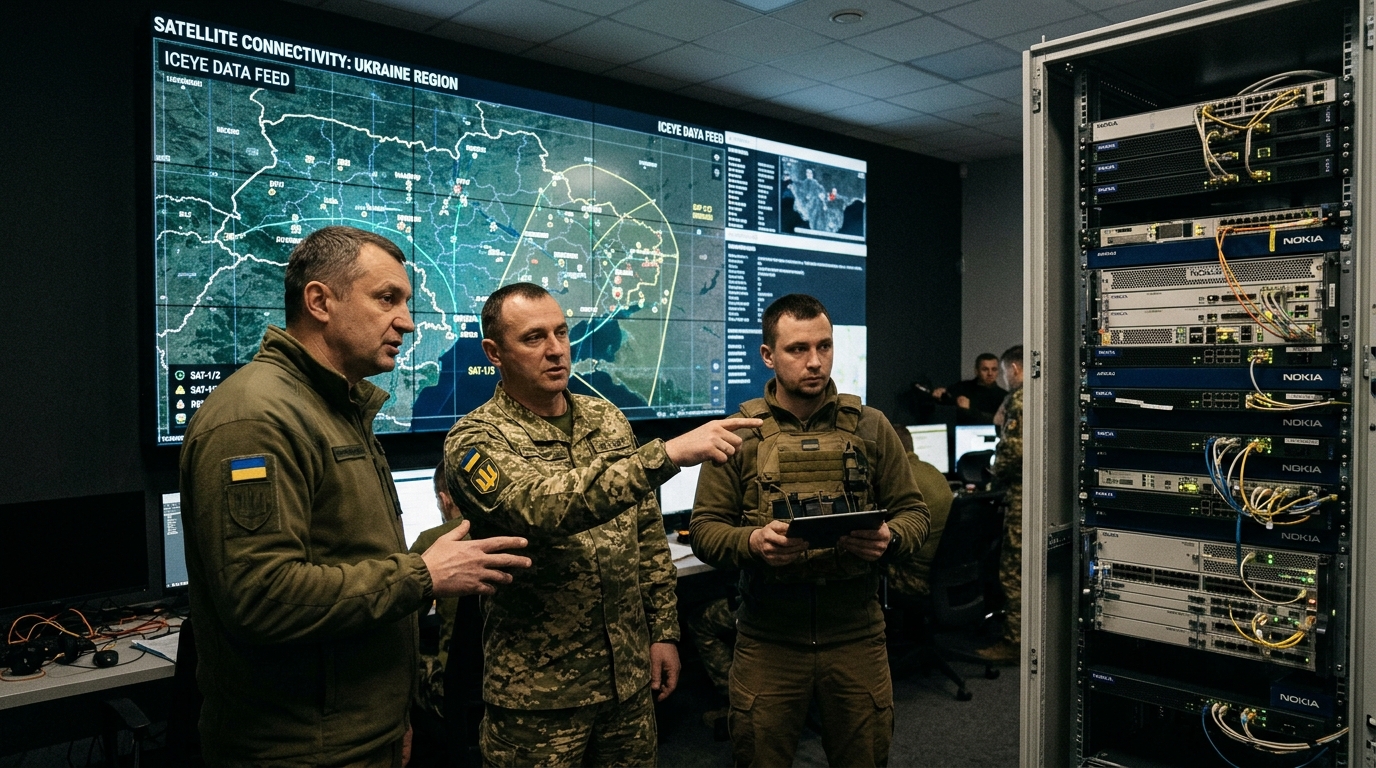
CNBC reported that Ukraine has partnered with Nokia and satellite company ICEYE as it looks for a Starlink alternative. In a separate report, CNBC also said SpaceX is still restricting Starlink in Ukraine and that the toll is rising. Taken together, the developments suggest Ukraine is no longer treating satellite connectivity as a single-provider issue, but as a broader resilience and security problem.
Why the shift matters
Starlink has been central to battlefield and civilian communications in Ukraine since Russia’s invasion. That made the service strategically valuable not only to Ukraine, but also to governments and companies tracking how commercial space infrastructure can be used in modern conflict zones.
The latest reports indicate that reliability, access controls and operational limits are now shaping procurement decisions. If a customer as strategically significant as Ukraine is actively building redundancy, that carries implications far beyond one war zone. It could influence how governments think about satellite communications contracts, how telecom vendors position backup systems, and how investors assess the long-term opportunity for non-SpaceX providers.
Nokia and ICEYE enter the frame
According to CNBC, Ukraine’s work with Nokia and ICEYE points to a more diversified approach. Nokia brings terrestrial network expertise, while ICEYE is known for satellite capabilities centered on Earth observation. The headline does not provide full technical detail on the structure of the partnership, but the strategic direction is clear: Ukraine is broadening the set of companies involved in its communications and intelligence infrastructure.
That matters for markets because the war in Ukraine has repeatedly accelerated demand in adjacent sectors:
- Satellite connectivity for military and emergency use
- Telecom hardware that can be deployed in damaged or contested areas
- Dual-use space technology with both commercial and defense relevance
- Network resilience solutions for governments and critical infrastructure operators
For listed telecom and defense-related names, the broader takeaway is less about one contract and more about the durability of demand for multi-layered communications systems.
SpaceX restrictions remain a live issue
The second CNBC report adds a more immediate catalyst: SpaceX is still restricting Starlink in Ukraine. That suggests the controversy around service boundaries has not faded, even as the war and its technology demands continue.
From a market perspective, this creates two opposing effects. First, it underlines Starlink’s importance, since restrictions matter only because the service is so deeply embedded in operations. Second, it strengthens the commercial case for alternatives, backups and hybrid systems.
That dynamic may be relevant not just for space companies, but also for traditional telecom operators and equipment makers. MarketWatch separately reported that the mobile ambitions of SpaceX are again affecting telecom stocks, reinforcing the idea that investors are increasingly pricing communications infrastructure as a competitive battleground between satellite-native providers and incumbent networks.
Broader industry implications
The Ukraine developments arrive at a time when investors are already reassessing infrastructure dependence across strategic technologies. The lesson is familiar: where a single provider dominates a critical service, customers eventually look for redundancy.
In satellite communications, that could support:
- More government spending on backup communications systems
- Greater interest in regional providers and specialized vendors
- Higher scrutiny of service-control terms in commercial contracts
- Stronger integration between satellite networks and ground-based telecom systems
It may also sharpen policy discussions in Europe about technological sovereignty, particularly where defense and communications overlap.
What investors may watch next
The immediate issue is whether Ukraine’s push produces visible procurement wins for companies beyond SpaceX. Investors are also likely to watch whether other governments draw similar conclusions and diversify suppliers for critical communications.
According to CNBC’s paired reports, the story is no longer simply about Starlink’s role in Ukraine. It is increasingly about who can provide reliable alternatives when access, control and security become central concerns.
Neutral outlook: The market significance lies in diversification, not disruption alone. If restrictions persist and alternative networks gain traction, satellite and telecom competition in government markets could broaden further.
MarketPro reports are AI-assisted analyses of publicly reported market news. Not investment advice.