U.S. Tightens Iran Sanctions as Markets Watch Dollar
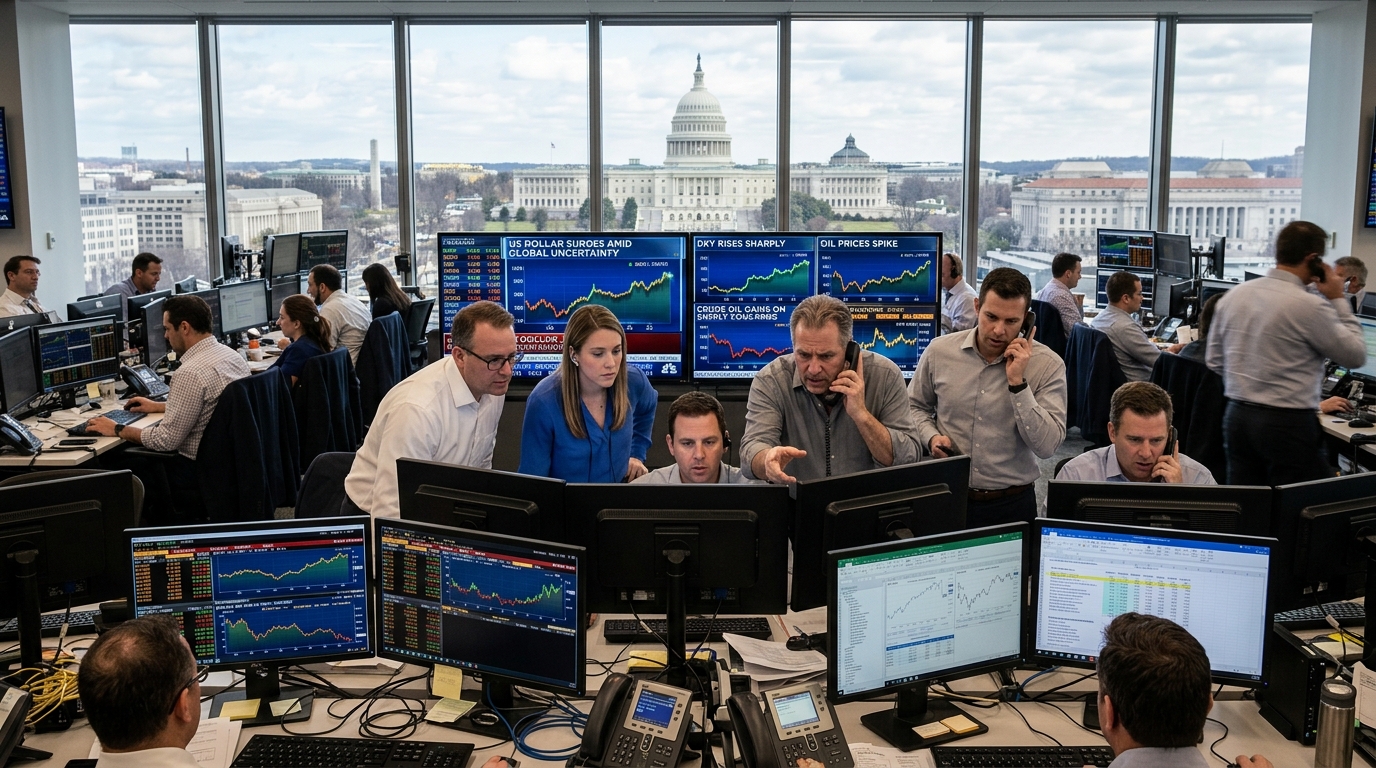
The United States imposed fresh Iran-related sanctions, adding another layer of geopolitical tension just as markets were already responding to higher oil prices and broader risk aversion.
According to Investing.com, Washington announced new sanctions tied to Iran. The development came alongside a separate CNBC report that oil prices jumped as Iran stepped up tanker attacks and a hurricane threatened U.S. Gulf production. Taken together, the headlines point to a market environment in which geopolitics and energy are likely to matter more for currency trading.
Why sanctions matter for forex markets
Sanctions do not always trigger an immediate and uniform currency response, but they can influence foreign-exchange markets through several channels. First, they can increase demand for perceived safe-haven assets during periods of uncertainty. Second, if sanctions are associated with tighter energy supplies or stronger oil prices, they can affect inflation expectations and monetary policy assumptions.
In this case, the sanctions story cannot be viewed in isolation. The accompanying rise in oil prices, reported by CNBC, is a key part of the macro backdrop. When geopolitical events support crude prices, traders often reassess the outlook for inflation-sensitive currencies and for the U.S. dollar’s defensive appeal.
Dollar focus returns as risk sentiment shifts
The dollar often benefits when geopolitical tension prompts caution across global markets, although the extent of any move depends on how investors interpret the shock. If the sanctions deepen fears of wider regional disruption, the greenback could draw support from safe-haven flows. If the main impact is via oil and inflation, traders may focus more on how higher energy prices could affect growth and rate expectations across major economies.
Investing.com separately reported that U.S. stocks fell as oil surged, a sign that markets were already reacting to a more defensive tone. In forex, that kind of backdrop can favor currencies seen as relatively liquid and defensive, especially when uncertainty rises quickly.
There is also a cross-market element to watch. If higher oil prices push inflation concerns back into focus, currency markets may become more sensitive to which central banks are perceived as able or willing to maintain tighter policy. That can have different effects across the dollar, euro, yen and commodity-linked currencies.
Energy and currencies are closely linked
Oil is one of the most important commodities for macro trading because it can influence trade balances, inflation and growth all at once. For oil-importing economies, a sustained rise in crude can worsen terms of trade and pressure domestic demand. For exporters, the effect can be more supportive, though broader risk aversion can complicate that picture.
The fresh U.S. sanctions on Iran matter in part because they reinforce a wider geopolitical narrative already lifting energy prices. According to CNBC, the market was not just reacting to sanctions or diplomacy in abstract terms, but to direct concerns over tanker security and supply risks.
What traders are likely watching now
- Dollar demand: whether geopolitical uncertainty drives safe-haven buying.
- Oil persistence: whether crude stays elevated long enough to affect inflation expectations.
- Risk appetite: whether equities and higher-beta currencies remain under pressure.
- Policy sensitivity: whether markets rethink the rate path as energy costs rise.
A geopolitical development with macro reach
While the sanctions themselves are a policy action, their market significance lies in how they interact with already rising regional tensions. That is why forex investors are unlikely to assess the move only through diplomatic implications. They will also be measuring its effect on commodity prices, broader risk sentiment and relative currency performance.
With oil already moving higher, the sanctions headline adds to a market narrative in which geopolitics could have direct macro consequences rather than remaining a background risk.
Neutral outlook: Currency markets will likely take their next cue from whether sanctions are followed by wider disruption, a sustained oil rally or a broader shift toward defensive positioning across global assets.
MarketPro reports are AI-assisted analyses of publicly reported market news. Not investment advice.