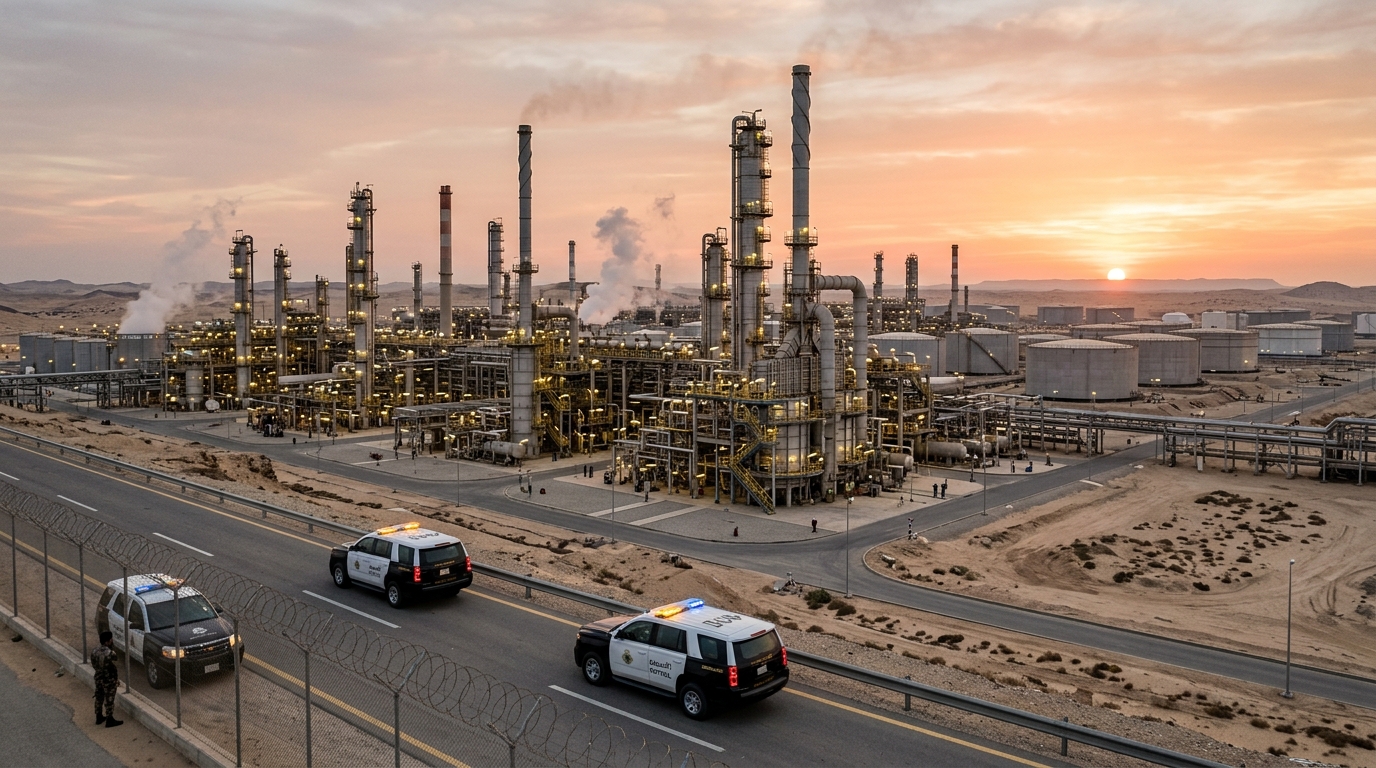
Oil Jumps as Iran Tensions Threaten Gulf Supply
Oil prices moved higher after a new combination of geopolitical and weather-related risks hit the market at once: tanker attacks linked to Iran tensions and a hurricane threat to production in the U.S. Gulf.
According to a CNBC report, crude prices jumped as Iran stepped up tanker attacks while a hurricane threatened energy output in the Gulf of Mexico. Investing.com also reported that U.S. stocks fell as oil surged, reinforcing that the move in crude was significant enough to spill into broader financial markets.
Two supply threats hit at the same time
Oil often reacts sharply when traders see a risk to physical supply, and this session brought two separate risks with global relevance.
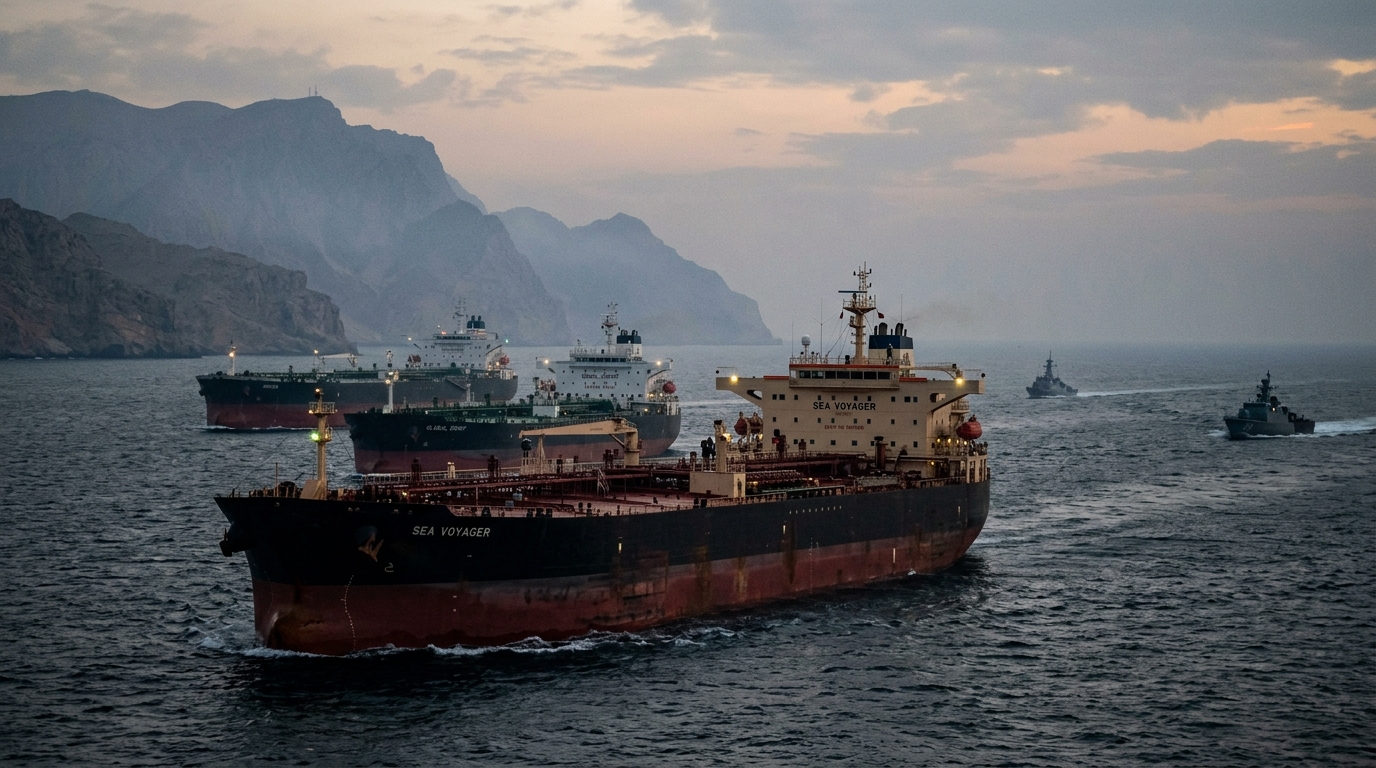
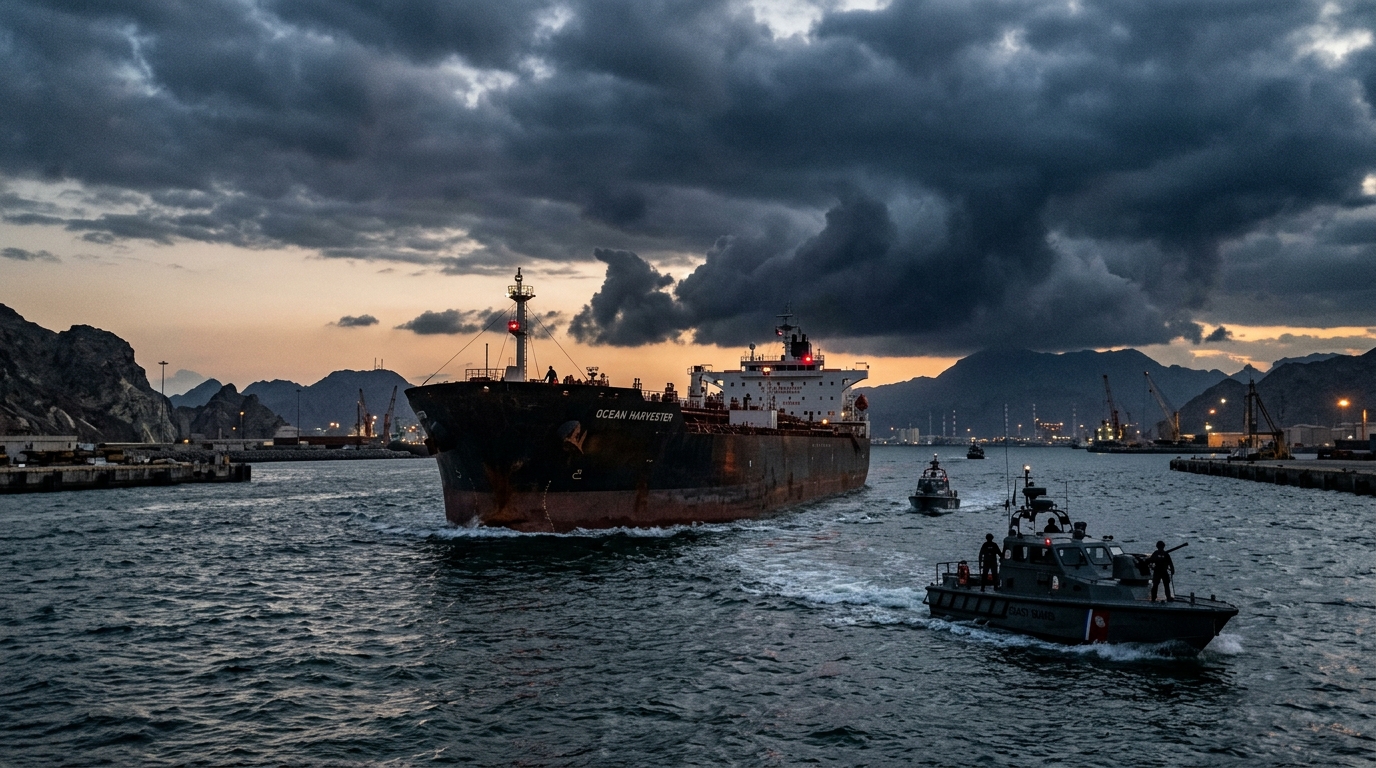
The first was the rise in tanker attacks tied to Iran. Any disruption to shipping in or around key Middle East energy routes can quickly affect sentiment because the region remains central to global crude exports. Even when actual lost barrels are not yet clear, the market tends to price in a risk premium when transport safety deteriorates.
The second was the hurricane threat to the U.S. Gulf, one of the country’s most important energy-producing regions. Storm risks can affect offshore production, refinery operations and export logistics. That means the weather story is not only about crude extraction; it can also influence the movement and processing of fuels.
Together, these two factors gave oil bulls a strong near-term catalyst. One risk centered on international shipping security, while the other focused on domestic U.S. production and infrastructure.
Why energy markets reacted quickly
Oil pricing is especially sensitive when supply concerns emerge in more than one geography at the same time. A Middle East security issue can tighten expectations for seaborne flows, while a U.S. weather event can threaten near-term output or refining capacity. The overlap matters because it reduces the market’s room to shrug off either event as isolated.
According to CNBC, the immediate market response was a jump in prices. Investing.com separately described a broader risk-off tone in equities as oil spiked and bond-market pressure persisted. That cross-asset reaction suggests investors were treating the oil move as more than headline noise.
Higher oil prices can quickly feed into inflation concerns as well, especially if the move is sustained. Energy costs influence transportation, manufacturing and consumer fuel prices. That does not guarantee a lasting inflation shock, but it is one reason oil spikes often draw attention beyond the commodities complex.
Broader market implications
The rise in crude came at a time when markets were already balancing multiple macro pressures, including elevated yields and uncertainty around policy. In that context, a sudden energy shock can become more important because it adds another layer of volatility.
For equity markets, higher oil can have mixed effects. Energy producers may benefit from stronger crude prices, but sectors sensitive to fuel costs or consumer demand can face pressure. According to Investing.com, the move in oil coincided with weaker U.S. stocks, reflecting concern that higher energy costs may tighten financial conditions or hurt sentiment.
In macro terms, the story is also relevant because energy remains one of the fastest channels through which geopolitical events can affect inflation expectations. That link has been especially important in recent years whenever supply disruptions appeared likely.
Key channels markets are watching
- Shipping security: whether tanker attacks materially disrupt trade routes or insurance costs.
- U.S. production: whether hurricane risks lead to shut-ins or infrastructure interruptions.
- Refining and exports: whether Gulf Coast facilities face operational disruptions.
- Inflation sensitivity: whether sustained oil gains alter the broader rate outlook.
Why this matters globally
This is not only a U.S. or Middle East story. Oil is a global benchmark commodity, and moves tied to conflict or storms can reverberate through currencies, bonds and equities worldwide. Import-dependent economies are especially exposed when crude rises quickly.
Because the trigger was a combination of geopolitical escalation and weather risk, investors are likely to stay focused on headline developments rather than only on traditional supply-and-demand data in the near term.
Neutral outlook: The next market move will likely depend on whether tanker security worsens and whether the hurricane causes real disruption to Gulf output or refining operations.
MarketPro reports are AI-assisted analyses of publicly reported market news. Not investment advice.