Oil shipments resume through Hormuz, but security risk lingers
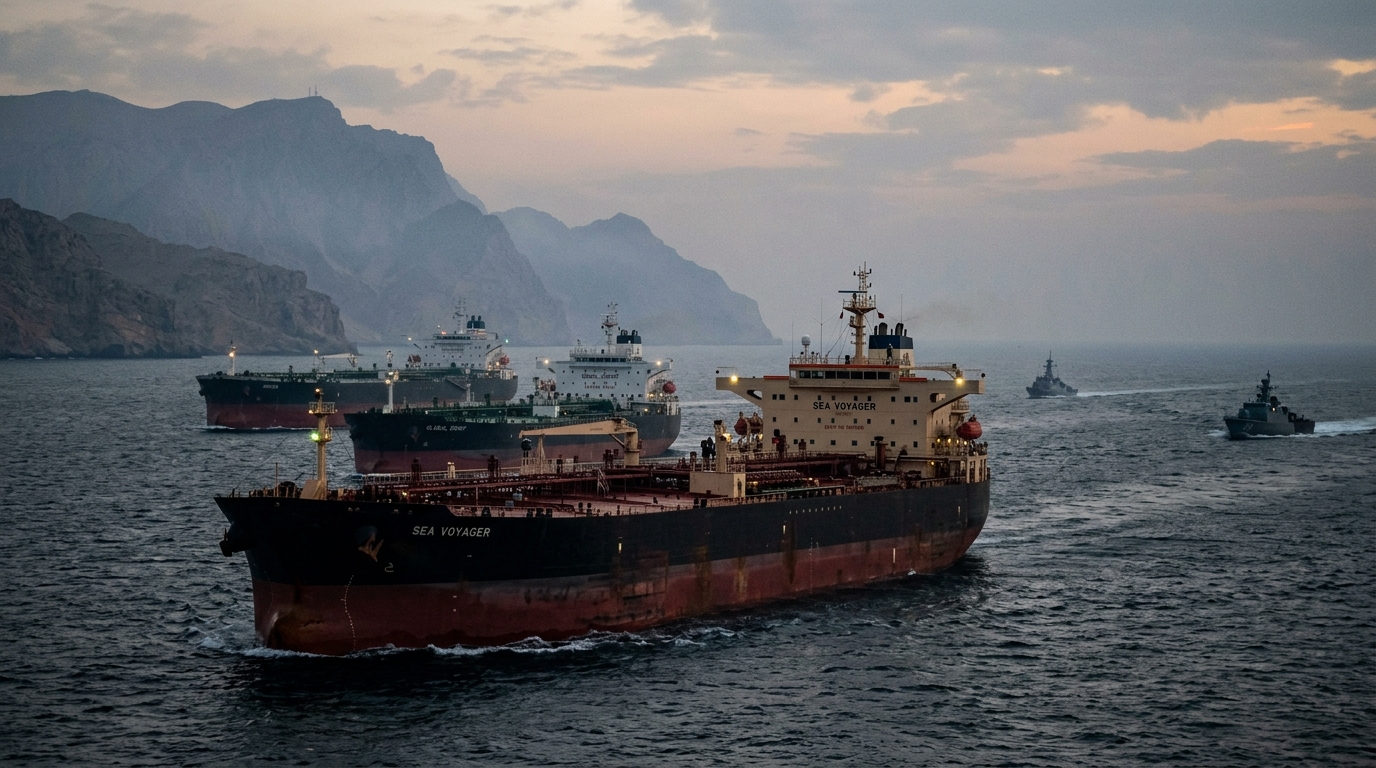
Oil flows through the Strait of Hormuz are recovering, but the market focus is shifting from simple volume normalization to the durability of that rebound. According to CNBC, rebounding oil exports moving through the chokepoint remain vulnerable to stepped-up Iranian tanker attacks, keeping geopolitical risk firmly embedded in the energy outlook.
The Strait of Hormuz remains one of the world’s most important oil transit routes, so even partial operational recovery does not remove the market impact of security threats. For traders, refiners and shipping firms, the central question is no longer only whether barrels can move, but whether those flows can continue without fresh disruption, higher insurance costs or rerouted cargoes.
Why the market still cares even as exports recover
A rebound in exports would normally help calm supply concerns. But in this case, the improvement in shipments comes with a clear caveat: the route remains exposed. If attacks or attempted seizures intensify, the result could be tighter effective supply even without a formal production outage.
That distinction matters for global markets. Physical crude balances can look manageable on paper while transport risk raises the real delivered cost of energy. In practice, the market often reacts not only to lost barrels, but to the rising probability of delays, security surcharges and shipowners becoming more selective about Gulf exposure.
This is especially important because the Strait of Hormuz is not a marginal route. It is a core artery for exports from major producers in the region. Any sustained threat to shipping can ripple through crude, refined products and freight pricing simultaneously.
How this can spread beyond crude prices
The immediate read-through is for oil benchmarks, but the broader spillovers are just as important:
- Shipping costs: Higher war-risk premiums or insurance costs can lift the delivered price of crude.
- Refining margins: Refiners dependent on Gulf grades may need to pay more or seek alternative cargoes.
- Inflation sensitivity: More expensive energy transport can complicate inflation trends for major importing economies.
- Risk sentiment: Renewed Gulf tensions can influence broader cross-asset positioning, particularly in currencies and equities tied to energy exposure.
That broader market transmission is why investors tend to monitor tanker incidents even when headline oil supply has not yet materially fallen. A stable production picture does not fully offset an unstable logistics picture.
A supply story and a security story at the same time
The latest development underscores a recurring feature of commodity markets: supply is not just about production capacity. It is also about safe transit. CNBC’s reporting points to a situation where exports are rebounding, yet the vulnerability of tankers remains elevated. That keeps the market from fully pricing the recovery as a clean normalization event.
For consuming countries, that means energy security concerns can persist even when export data improves. For producers and shippers, it means operational continuity may depend as much on naval protection and de-escalation as on upstream output.
It also helps explain why oil markets can stay sensitive during periods when inventories or production headlines appear less alarming. Freight disruption risk can tighten conditions faster than headline barrel counts suggest.
What to watch next
In the near term, the key indicators are likely to be whether tanker traffic continues to rebuild, whether shipowners alter routing behavior, and whether security incidents remain isolated or become more frequent. Insurance pricing, freight trends and any sign of official maritime coordination will also matter.
For now, the recovery in flows is a constructive signal for supply, but it is not the same as a full return to normal operating conditions. As long as the route remains exposed to attack risk, energy markets are likely to retain a geopolitical premium.
Neutral outlook: Rebounding exports are helping near-term supply flows, but the Strait of Hormuz remains a live security variable that could quickly feed back into oil, shipping and broader market pricing.
MarketPro reports are AI-assisted analyses of publicly reported market news. Not investment advice.