Oil climbs as Saudi security fears outweigh supply recovery
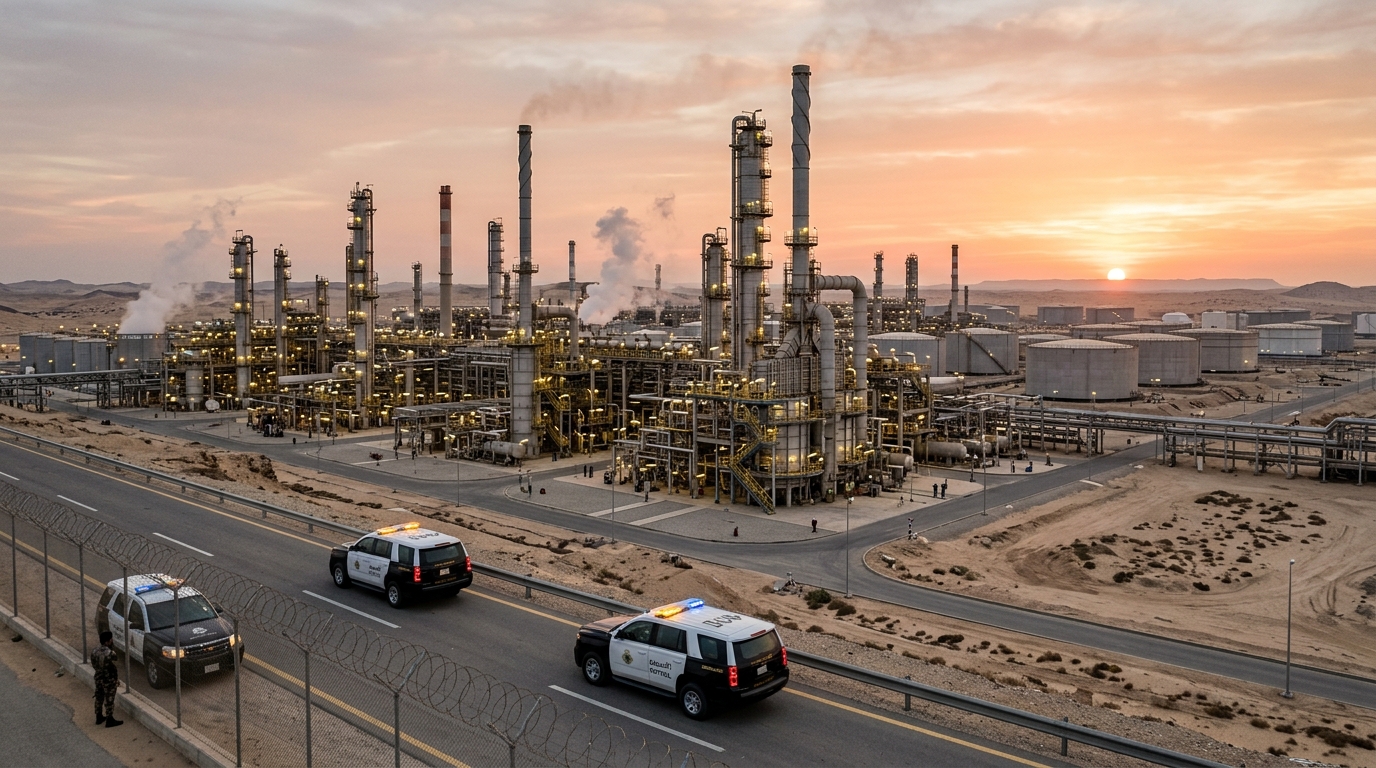
Oil prices rose as concerns about potential Houthi attacks on Saudi Arabia eclipsed signs of supply recovery, according to CNBC, putting geopolitical risk premia back at the center of the energy market narrative.
The move is notable because it shows traders are still assigning meaningful weight to infrastructure and shipping security risks even when supply conditions appear to be improving. In commodity markets, the direction of prices often hinges not only on actual disruption but on the probability that key production or transport routes could be threatened.
Security risk returns to the foreground
CNBC reported that crude gained as worries over Houthi attacks on Saudi Arabia outweighed a recovery in supply. That framing suggests the market is focusing less on barrels already returning and more on the vulnerability of future flows from one of the world’s most important oil-producing regions.
Saudi Arabia’s role in global crude supply gives any security concern there an outsized effect on pricing psychology. Even limited threats can widen the perceived risk premium because traders must account for the possibility of interruptions to production sites, export infrastructure or related logistics.
These concerns also connect to the wider Middle East security picture. CNBC separately reported comments from Singapore’s foreign minister saying disruption in Hormuz is primarily Asia’s problem, underscoring how closely regional policymakers are watching the consequences of any threat to energy transit. While that is a different headline, it reinforces the broader theme that oil markets remain highly sensitive to chokepoint and infrastructure risk.
Why supply recovery is not enough
Ordinarily, signs of improving supply would help calm prices. But oil traders tend to distinguish between current availability and future reliability. If the market believes production may be available today but vulnerable tomorrow, prices can still rise despite headline improvements in supply.
That dynamic matters especially when inventories, refining schedules and shipping patterns are already under close scrutiny. A geopolitical premium can build quickly because physical buyers and paper traders alike may seek protection against a sudden deterioration in regional security conditions.
In practice, that means crude can remain firm even without a confirmed outage. The market reaction described by CNBC indicates that perceived risk is currently strong enough to offset the bearish effect of recovering supply.
What this means for inflation and currencies
Higher oil prices ripple far beyond the energy complex. They can influence inflation expectations, alter trade balances and shape central-bank thinking in both advanced and emerging economies. For major importers in Asia, sustained gains in crude can put pressure on currencies and raise concerns about imported inflation.
That broader macro link is one reason oil moves often matter to foreign-exchange and rates markets as much as to commodity traders. A renewed rise in energy costs can complicate efforts by central banks to keep inflation on a stable path, particularly if food or transport prices also come under pressure.
For equity investors, the effects are mixed. Energy producers may benefit from firmer crude, while transport, chemicals and other fuel-sensitive sectors may face margin pressure if high prices persist.
Key signals to watch
From here, markets are likely to watch several indicators closely:
- Any further reports on attacks or threats: confirmed incidents would likely matter more than rhetoric alone.
- Evidence of actual export disruption: physical supply losses would give the rally a firmer fundamental base.
- Shipping and insurance conditions: changes in transport costs can show how seriously the market is treating regional risk.
- Producer response: any signs that major exporters can sustain recovery despite security concerns would help limit upside pressure.
The latest price move is a reminder that oil remains one of the world’s most geopolitical major assets. Even when supply appears to be normalizing, the market can quickly reprice if traders believe core infrastructure or export routes are exposed to renewed threats.
Neutral outlook: crude’s near-term direction will likely depend on whether security fears escalate into measurable disruption or fade as supply recovery continues.
MarketPro reports are AI-assisted analyses of publicly reported market news. Not investment advice.