India rate hike puts inflation and rupee in focus
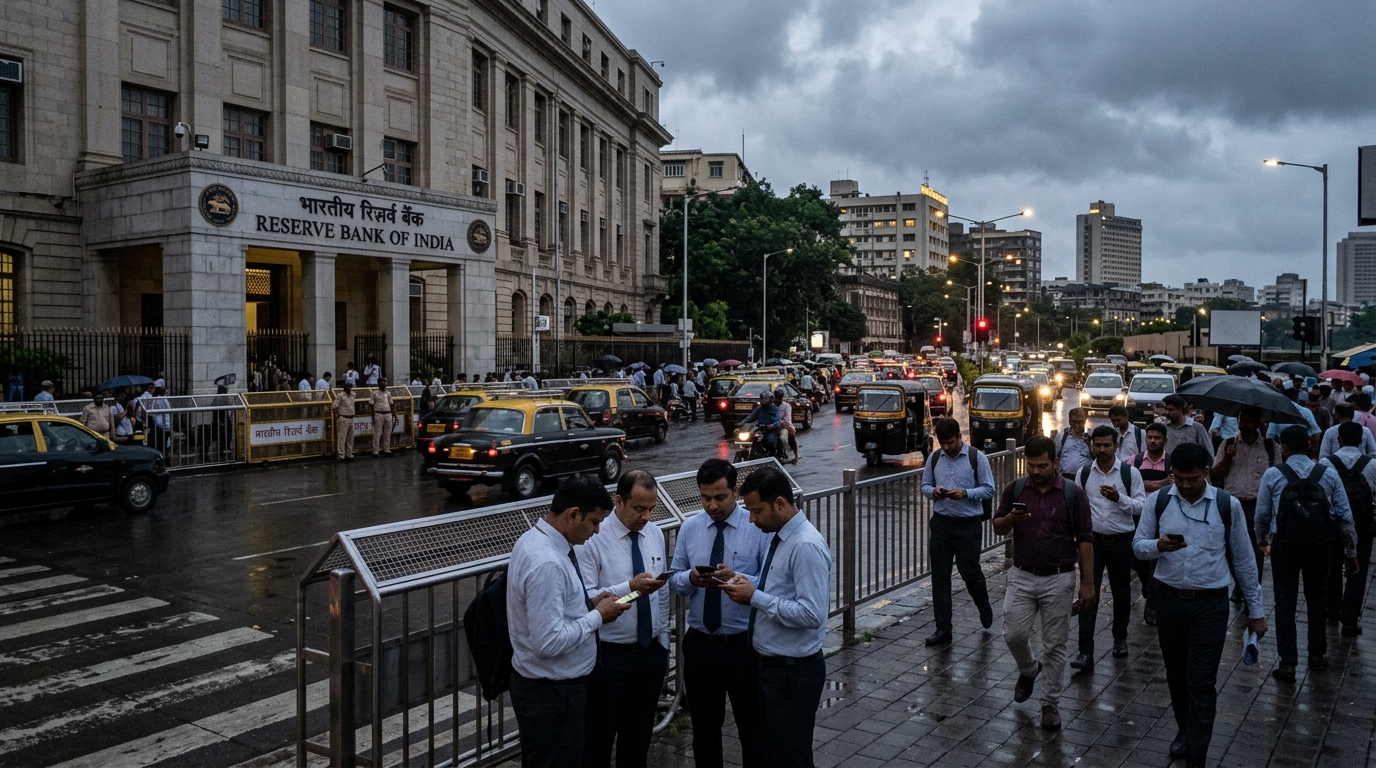
India’s central bank has raised interest rates for the first time since 2023, according to a CNBC report, putting inflation back at the center of the market debate and bringing the rupee into sharper focus for global investors.
The move matters beyond India’s domestic economy. Rate changes from major emerging-market central banks can alter capital flows, currency expectations and relative yield comparisons across Asia. With inflation risks described as building, the Reserve Bank of India’s decision suggests policymakers are prioritizing price stability even as growth-sensitive sectors adjust to tighter financial conditions.
Why the decision matters for markets
Higher policy rates typically work through several channels. They can raise borrowing costs, tighten financial conditions and support a currency by improving local yield appeal. In India’s case, the immediate market lens is likely to center on whether the move helps preserve confidence in the rupee while containing imported inflation pressures.
CNBC reported that the hike is the first since 2023. That makes it a notable shift in policy stance rather than a routine adjustment. For currency markets, changes in direction often matter as much as the size of any single move because they can reset expectations for future meetings.
India is one of the most closely watched emerging markets because of its scale, growth profile and large domestic investor base. A rate increase there can shape regional views on how Asian central banks are balancing inflation risks against still-uneven global demand conditions.
Inflation is back in the foreground
The headline framing from CNBC points clearly to inflation concerns as the main driver. That is important because inflation-led tightening tends to be read differently from currency-defense tightening or growth-management measures. If policymakers are acting because price risks are broadening, markets may assume the central bank wants to reinforce credibility early rather than wait for inflation expectations to become harder to contain.
That has implications for bond markets, banks and consumer-facing sectors. It also matters for foreign-exchange traders assessing whether real yields in India are becoming more attractive relative to peers.
At the same time, tighter monetary policy can complicate the growth outlook. India has often been viewed as a relative bright spot among major economies, so investors will likely watch whether this step is seen as a precautionary adjustment or the start of a more extended tightening phase.
Rupee and cross-asset implications
For the rupee, the decision could offer near-term support if markets judge the central bank to be ahead of inflation risks. Currency performance, however, rarely depends on rates alone. It also reflects oil prices, external balances, portfolio flows and the broader direction of the U.S. dollar.
That last point is especially relevant as global markets also await fresh signals from the Federal Reserve, a theme highlighted in an Investing.com markets roundup on the dollar and upcoming Fed communication. If U.S. rates stay higher for longer, emerging-market central banks face a tougher backdrop when trying to stabilize currencies without over-tightening domestic conditions.
India also remains sensitive to energy prices as a major importer. That means any sustained move higher in crude can complicate the inflation outlook and feed back into currency expectations.
What investors will watch next
Markets will now focus on three questions:
- Whether the central bank signals more tightening: one hike can be framed as insurance, while repeated moves would imply a firmer anti-inflation campaign.
- How the rupee responds: a stable currency would suggest the decision reinforced confidence, while continued pressure could point to stronger external headwinds.
- Whether inflation data validate the move: upcoming price readings will shape whether investors see the policy shift as timely or late.
India’s rate increase does not stand alone. It fits a wider global pattern in which policymakers remain highly sensitive to renewed inflation pressure even after markets had hoped for a steadier easing path in many regions. For global investors, that means emerging-market policy divergence remains a live theme.
Neutral outlook: India’s rate hike strengthens the inflation-fighting message for now, but the market impact will depend on follow-through from prices, the rupee and the broader global rates backdrop.
MarketPro reports are AI-assisted analyses of publicly reported market news. Not investment advice.