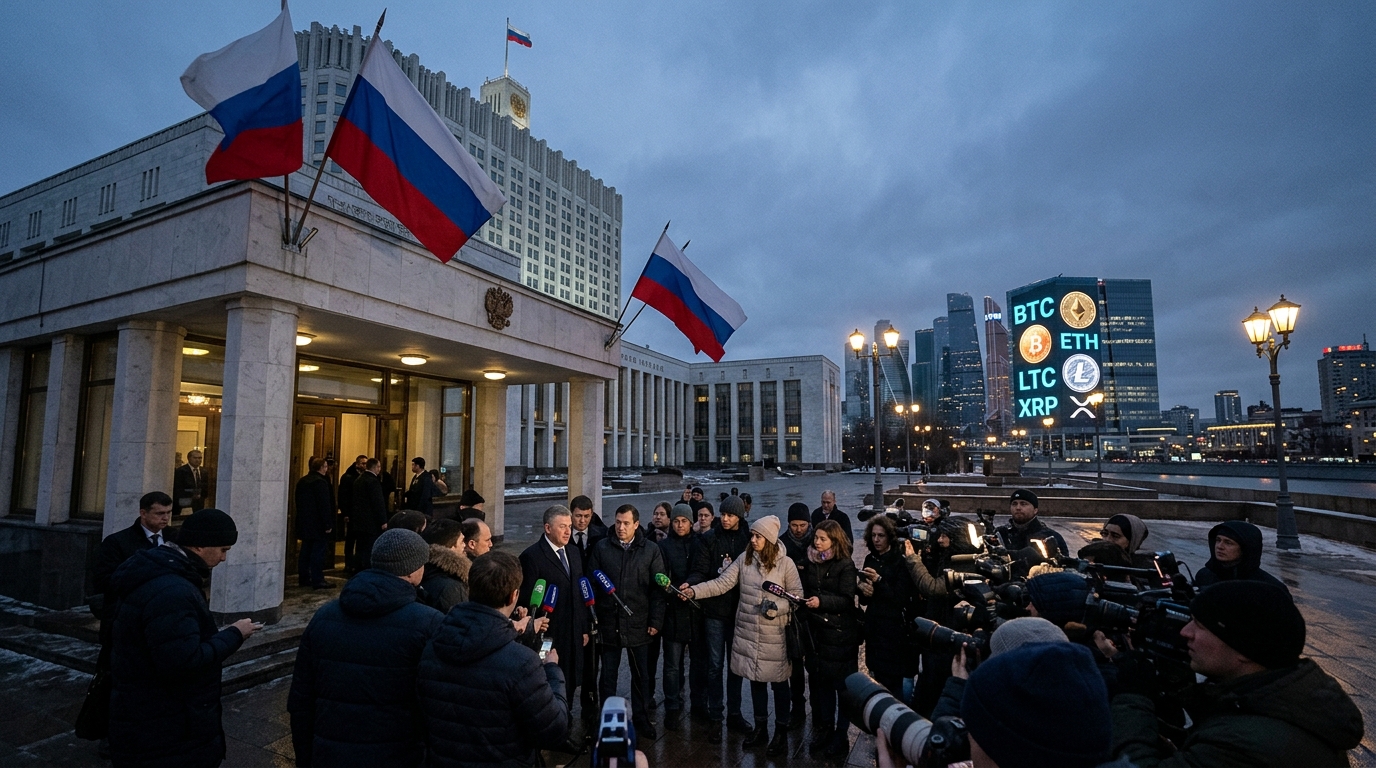
Digital ruble surge adds to crypto market structure story

Digital-asset markets saw a fresh wave of market-structure headlines on October 7, with Russia’s digital ruble rollout, a new U.S. ETF filing and election-contract transparency changes all pointing in the same direction: crypto and adjacent digital-finance markets are becoming more institutional, more regulated and more closely tied to public infrastructure.
The clearest data point came from Cointelegraph, which reported that Russia’s digital ruble accounts topped 220,000 in the first month, nearly four times the central bank forecast. On its own, that is a notable adoption headline. In a broader context, it strengthens the idea that state-backed digital money experiments are moving from pilot-stage discussion toward measurable user uptake.
Because digital ruble development touches payments, banking rails and state oversight, it belongs less to the speculative side of crypto than to the institutional digital-infrastructure story that has been attracting reader interest. It also fits with an editorial pattern visible across recent coverage: developments that connect crypto to mainstream financial architecture tend to carry more durable significance than short-term price moves alone.
ETF and policy headlines add U.S. market depth
U.S.-linked digital-asset news also advanced. Cointelegraph reported that a Winklevoss-backed Zcash ETF has filed with the SEC for a Nasdaq listing. While a filing is not an approval, it is still a meaningful signal about how far the listed-product market has expanded beyond the earliest, most liquid crypto assets.
The relevance here is twofold. First, ETF filings can broaden the conversation about what kinds of digital assets institutions may eventually access through familiar market wrappers. Second, they underline how product development in crypto continues even during periods when policy and compliance questions remain unresolved.
At the same time, Cointelegraph reported on a bill aimed at stopping U.S. lawmakers from betting on their own elections ahead of the midterms, while CNBC said Kalshi launched transparency features on its election contracts. These are not traditional crypto stories, but they sit in the same broader market-structure universe: digital platforms offering event-based financial exposure are moving under closer scrutiny, with transparency and governance becoming more central to legitimacy.
Institutionalization, not just token prices
Price action was still part of the picture. Cointelegraph reported that Bitcoin is grinding toward $87,000 as U.S. equities hit new record highs. That supports the idea that crypto continues to trade partly as a high-beta expression of broader risk appetite.
But the more important signal in today’s wire set may be that digital assets are no longer defined only by price. Consider the range of headlines:
- Public-sector experimentation: Russia’s digital ruble account growth.
- Listed-product expansion: The Zcash ETF filing for Nasdaq.
- Platform governance: Kalshi’s transparency additions.
- Investor base shifts: Cointelegraph’s report that affluent investors are seen boosting crypto exposure.
- Operational and legal friction: Cointelegraph’s report that Conduit sued Tether over an alleged asset freeze.
Together, these stories portray a market that is maturing unevenly. Access is broadening, compliance questions are multiplying and legal accountability is becoming more visible.
Why this matters for the next phase of adoption
For global markets, the digital ruble headline is especially important because central-bank digital currency efforts may influence how investors think about settlement, payment modernization and state control over transaction infrastructure. A higher-than-expected account count does not prove long-term success, but it does indicate that official digital-money systems can generate early traction under the right policy setup.
Meanwhile, ETF product development in the U.S. suggests the opposite end of the spectrum is also evolving: market-based access for investors seeking regulated exposure through exchange infrastructure.
That dual development matters. One side of digital finance is becoming more state-led; another is becoming more productized and exchange-led. The interaction between those tracks could shape the next chapter for custody, compliance, distribution and investor participation.
What to monitor
Key follow-through points include whether Russia’s digital ruble growth continues beyond its initial month, whether the Zcash ETF filing advances with the SEC, and whether transparency and governance standards spread further across event-contract and digital-asset platforms.
The neutral outlook is that digital finance is deepening at both the public and private levels, with market structure increasingly becoming the main story behind the headlines.
MarketPro reports are AI-assisted analyses of publicly reported market news. Not investment advice.