AI Trade Sours as Funding Fears Hit Tech and Credit
The artificial-intelligence trade faced a fresh stress test on October 15 as new headlines from CNBC and MarketWatch pointed to pressure in both equities and credit. The story is no longer just about valuation. It is increasingly about financing costs, deployment timing and whether the market’s biggest AI-linked bets can justify capital-intensive expansion in a higher-rate environment.
Equity pressure spreads from chips to servers
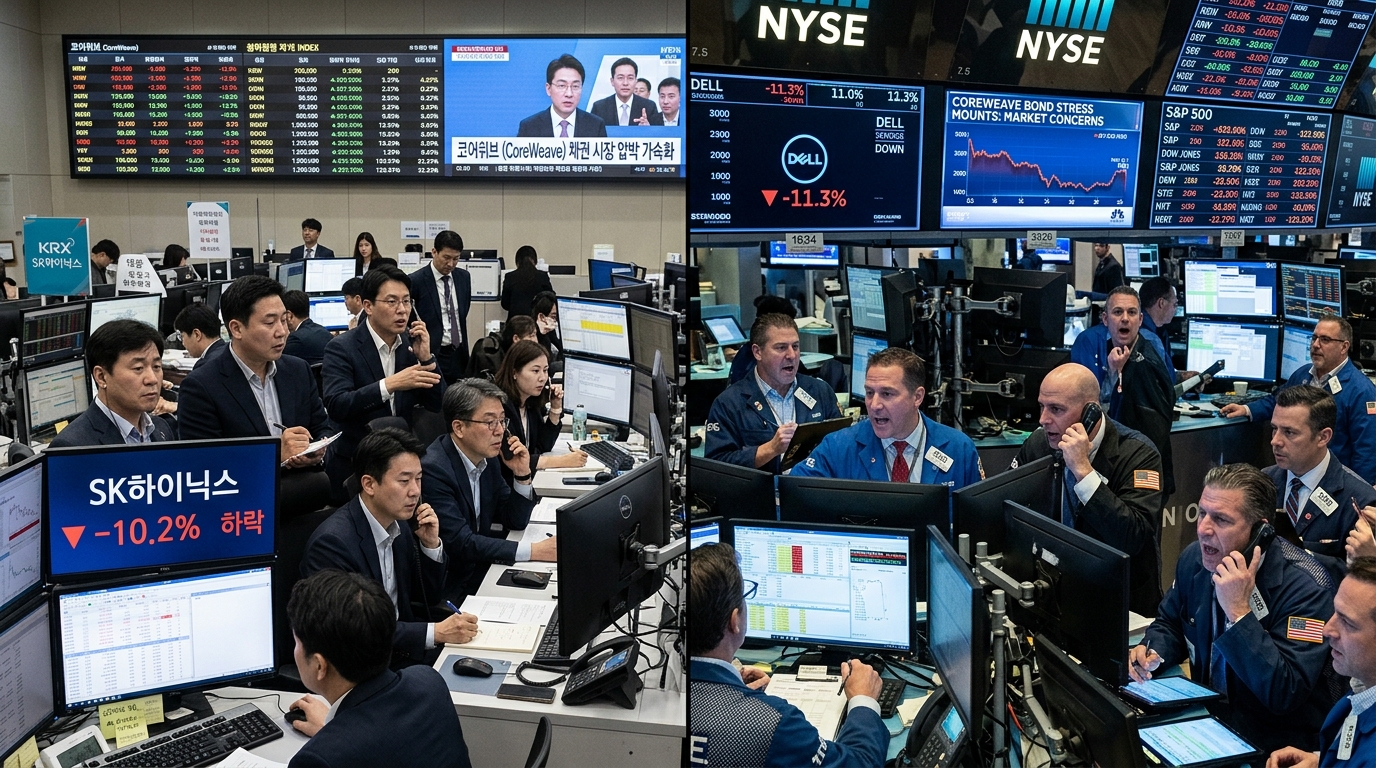
The most immediate jolt came in Asia. CNBC reported that SK Hynix shares plunged 10% amid an Asia tech rout driven by fears of further Fed rate hikes and worries about AI funding. Investing.com separately reported that Asian markets sold off as AI trades crumbled after hot U.S. CPI data, confirming that the pressure extended beyond one stock or one exchange.
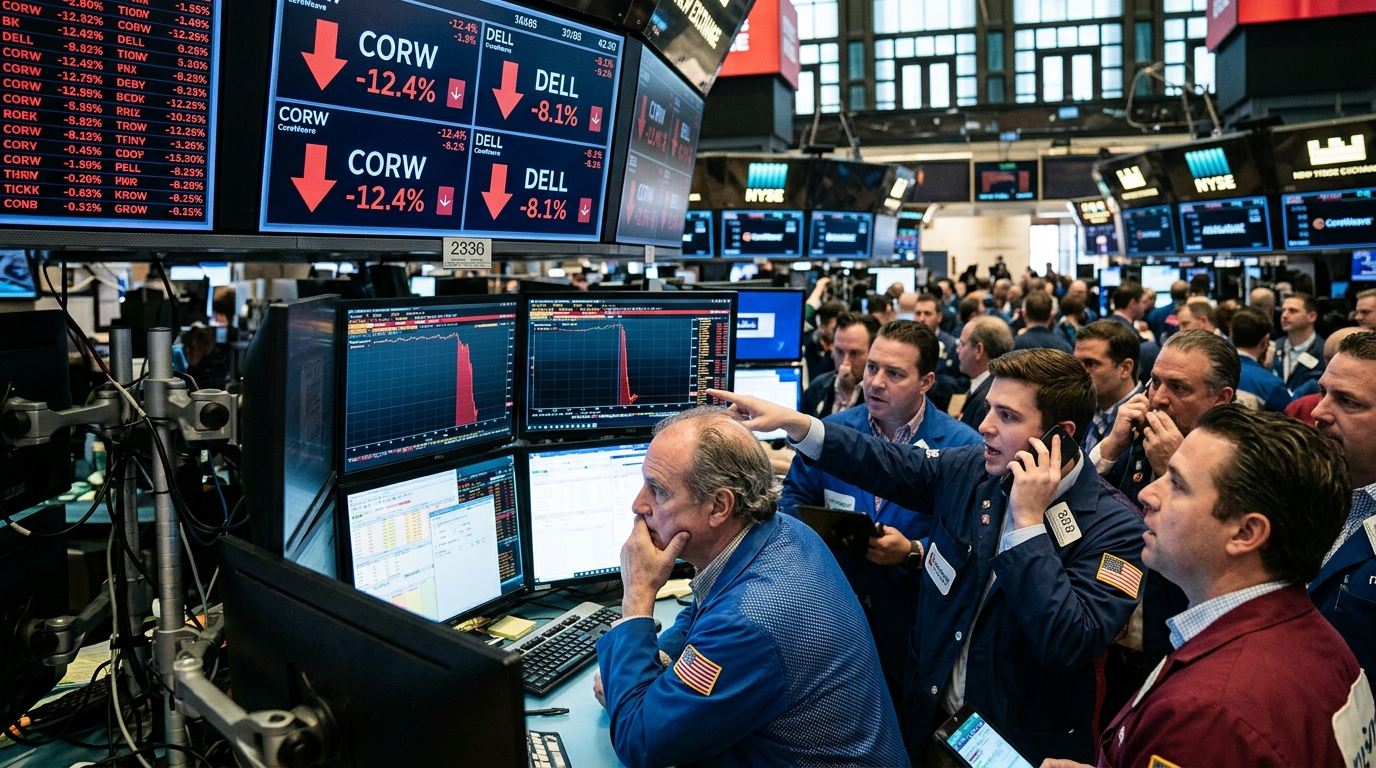
In the United States, CNBC said Dell stock plunged 11%, leading a data-center sell-off as fears mounted about “enterprise AI timing.” That wording matters. It suggests investor concern is shifting from broad enthusiasm about AI infrastructure demand to the pace at which enterprise customers actually commit budgets and deploy systems.
This distinction has become critical for companies tied to servers, memory, networking and cloud capacity. If customer adoption is delayed even modestly, the earnings and cash-flow assumptions built into AI-related stocks can come under strain.
Credit markets are amplifying the warning signs
The pressure was not limited to stocks. CNBC reported that CoreWeave shares tumbled as bond yields neared 15% on concern about an AI borrowing binge. MarketWatch reinforced that concern with a separate report saying CoreWeave’s AI bonds tumbled, raising red flags for the wider market.
Those two headlines together are important because they show stress appearing across both equity and debt instruments. When bond investors demand sharply higher yields, it can signal doubts about leverage, refinancing risk or the sustainability of aggressive expansion funded through borrowing. In a capital-heavy segment such as AI infrastructure, that can quickly become a sector-wide issue rather than a company-specific one.
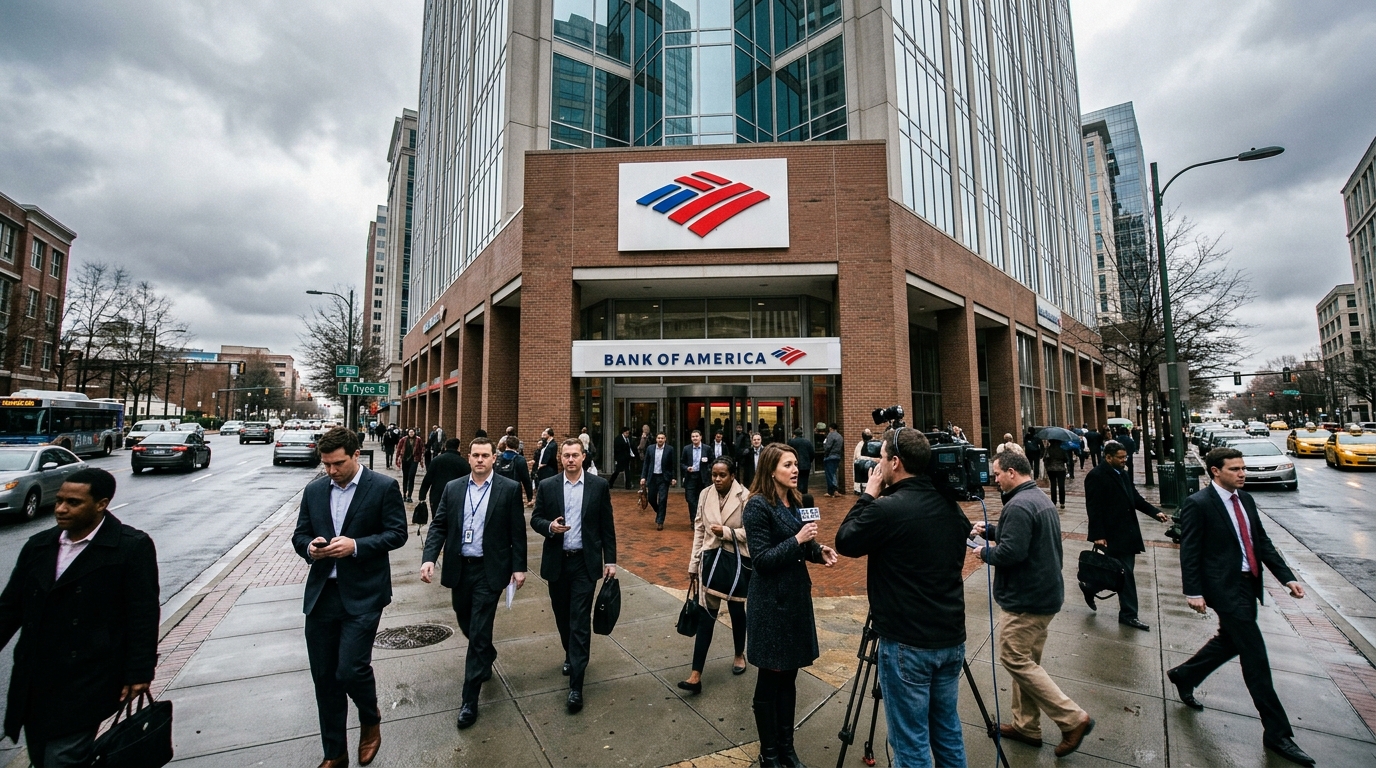
MarketWatch also reported that big banks see risks in financing the AI boom, though they remain willing to keep writing the checks. That combination suggests lenders have not exited the trade, but are increasingly aware that credit discipline may matter more if market conditions stay tight.
From market leadership to market fragmentation
The broader tone around AI also appears to be changing. MarketWatch reported that the AI trade is splintering as inflation fears rattle hyped-up tech stocks. Another MarketWatch headline said Anthropic’s slowing growth could be the latest red flag for the AI trade.
Even without full figures in the wire summaries, the combined message is that investors are becoming more selective. Companies once grouped together under a single “AI winners” label may now be judged by different standards: revenue visibility, customer conversion speed, debt dependence, and how sensitive their business models are to higher rates.
That marks a meaningful shift from the earlier phase of the AI rally, when enthusiasm for the theme often overrode near-term operating questions.
Why inflation is central to this story
The AI sell-off did not happen in a vacuum. The accompanying headlines tied market weakness to hot U.S. CPI data and renewed Fed rate-hike fears. Higher inflation can affect the sector in at least two ways. First, it raises the discount rate applied to future earnings, often hurting high-growth tech valuations. Second, it can increase borrowing costs for companies building expensive AI infrastructure.
That helps explain why semiconductors, server makers and AI-financed platforms all came under pressure at the same time. According to CNBC, MarketWatch and Investing.com reports, investors are no longer treating AI as insulated from the macro cycle.
What markets may watch next
The next phase of this story will likely hinge on whether AI demand remains strong enough to offset concerns about financing and timing. Investors may also watch whether stress in debt markets spills into a wider repricing of tech valuations, especially among firms most reliant on external capital.
For now, the cross-market evidence is notable: chipmakers, data-center names, private-credit-exposed AI firms and broader regional tech indexes all moved lower on related concerns. That makes this more than a routine pullback in a crowded trade.
Neutral outlook: The AI theme remains a major market driver, but near-term sentiment appears increasingly tied to funding conditions, customer rollout schedules and the path of inflation and interest rates.
MarketPro reports are AI-assisted analyses of publicly reported market news. Not investment advice.