Hormuz shipping attack adds oil risk to inflation outlook
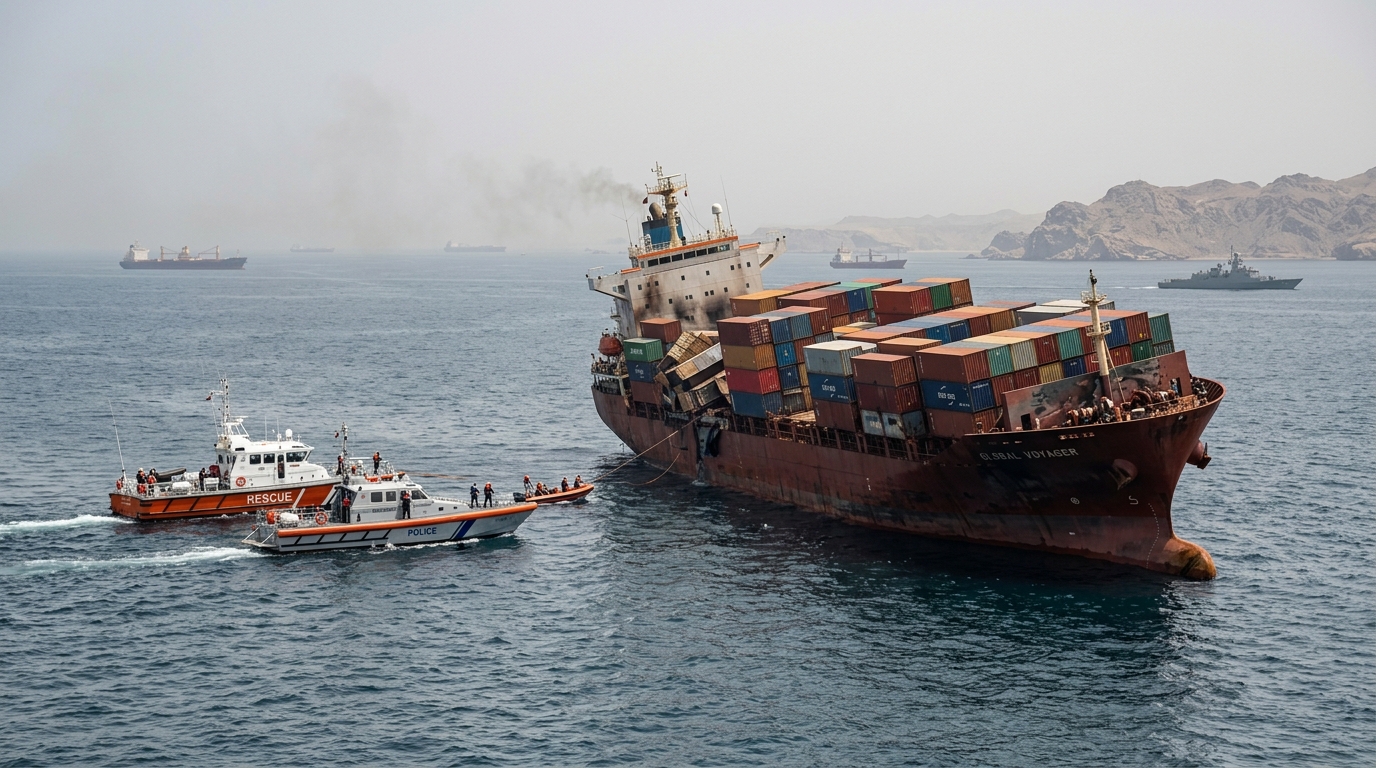
A reported container-ship sinking in the Strait of Hormuz is adding a fresh layer of risk to global energy and trade markets, reinforcing investor concern that shipping disruptions could feed into oil prices and inflation.
CNBC reported that a container ship sank in the Strait of Hormuz as Iran stepped up attacks. Separately, MarketWatch said Iran’s broader threat is putting AI stocks at risk, underscoring how geopolitical stress in the Gulf is being treated as more than a regional security issue. The common thread is market exposure to a chokepoint that matters for energy flows, freight routes and risk sentiment worldwide.
Why Hormuz matters to markets
The Strait of Hormuz is one of the world’s most strategically important maritime passages. When markets see evidence of escalating attacks or disruption there, oil and shipping risk premiums can rise quickly even before any measurable reduction in supply appears in official data.
That mechanism matters because markets do not wait for a full physical shortage to reprice risk. A serious shipping incident can affect:
- Oil prices, as traders build in a higher geopolitical premium.
- Freight and insurance costs, if shipowners and insurers reassess transit risk.
- Inflation expectations, especially when transport and fuel costs are already under scrutiny.
- Risk appetite, particularly in sectors vulnerable to higher energy and logistics expenses.
Inflation link is becoming harder to ignore
This shipping story lands at a sensitive moment for inflation. CNBC’s inflation coverage and MarketWatch’s reports on rising diesel prices both indicate that fuel-related pressure is already an active concern in the U.S. price outlook. A disruption in or around Hormuz therefore matters not only for crude benchmarks but also for the broader inflation conversation.
If traders believe Gulf tensions could keep energy markets tight, that can reinforce expectations that fuel and transport costs will remain elevated. For central banks and fixed-income markets, that is an uncomfortable development because it makes inflation more difficult to forecast and potentially more persistent.
In other words, the Hormuz story is not just a geopolitical headline. It connects directly to how investors are thinking about CPI, bond yields and the resilience of risk assets.
Why even non-energy sectors are reacting
MarketWatch’s focus on the risk to AI stocks may seem indirect, but it reflects a broader truth about modern market structure. When energy and shipping uncertainty rise, investors often reassess highly valued sectors that depend on stable financing conditions and resilient supply chains. Geopolitical stress can lift oil, unsettle yields and reduce tolerance for expensive growth trades all at once.
That is why a maritime security event in the Gulf can influence markets well beyond energy producers. The immediate impact may be felt in crude and tanker sentiment, but the secondary effects can reach equities, currencies and inflation-sensitive sectors.
What the market will look for now
After an incident like this, investors typically focus on three questions:
- Is shipping traffic being materially disrupted, or is the event still isolated?
- Do insurers, shipowners or naval authorities change transit behavior, raising costs across the route?
- Does the incident feed into a sustained oil-price reaction, or fade if supply continues to flow?
The available headlines do not answer all of those questions yet. But the fact that CNBC linked the sinking to stepped-up attacks is enough to keep markets alert, especially with inflation already proving difficult and energy costs back in focus.
A cross-asset catalyst, not just a shipping story
For global investors, the significance of Hormuz lies in how many market themes it can influence at once. Oil can rise on geopolitical premium, inflation expectations can stay firmer, bond yields can remain under pressure, and risk assets may face another source of uncertainty. That combination helps explain why seemingly isolated transport incidents can become major macro catalysts.
Neutral outlook: Markets are likely to watch closely for evidence of broader disruption in Gulf shipping, because any sustained escalation could extend beyond commodities into inflation expectations and wider cross-asset volatility.
MarketPro reports are AI-assisted analyses of publicly reported market news. Not investment advice.