Banks turn more cautious on lending as economy slows
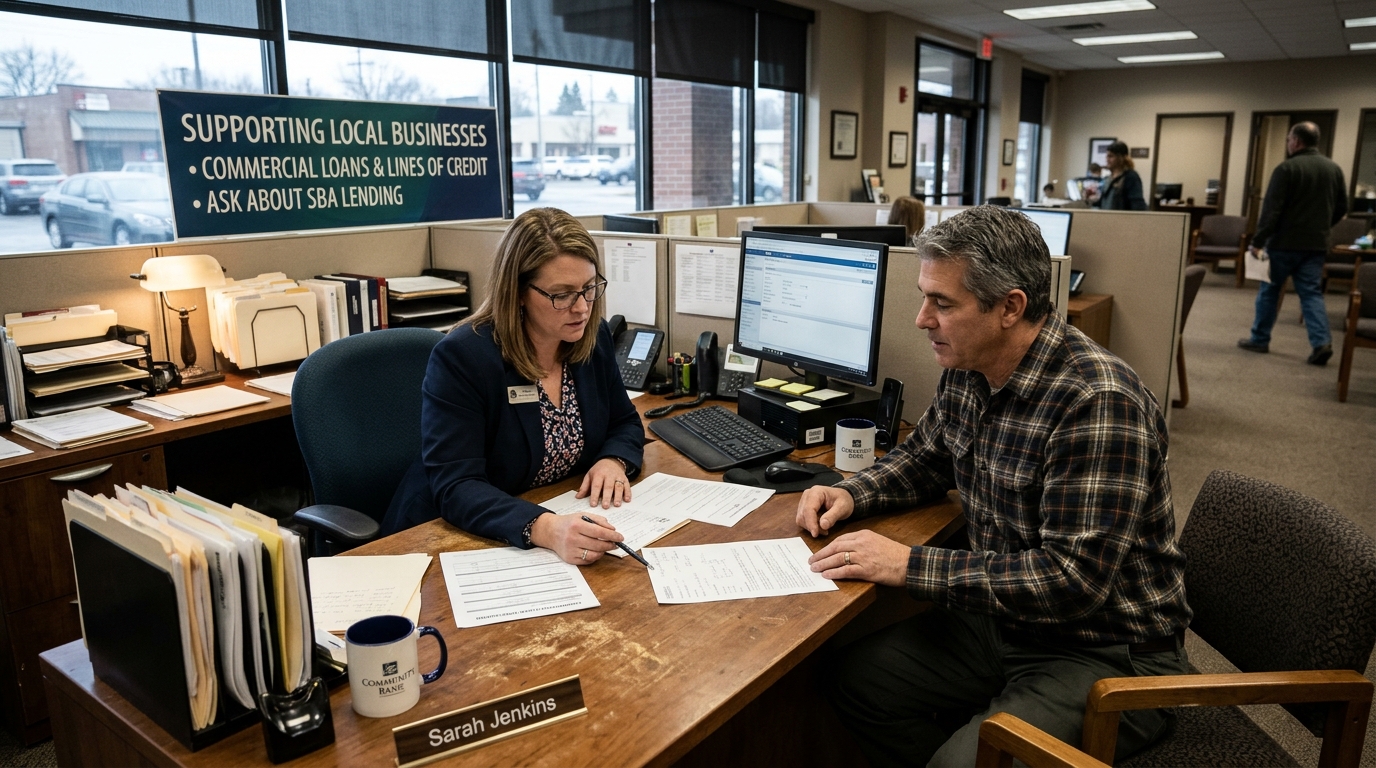
U.S. banks are growing more cautious on lending, adding another sign that credit conditions may become a bigger drag on economic activity in the months ahead. According to a CNBC report citing the Federal Reserve’s latest bank-lending survey, lenders are tightening standards while demand for loans is weakening.
That combination matters because bank credit is one of the clearest channels through which monetary policy reaches the real economy. When banks become less willing to lend, households may find it harder or more expensive to borrow for major purchases, while companies can face tighter conditions for expansion, hiring and inventory financing.
Why tighter lending matters
The Fed’s loan officer survey is closely watched because it offers an early read on how banks are responding to economic uncertainty, rate levels and borrower quality. A tightening cycle in lending standards does not guarantee a downturn, but it often signals rising caution among institutions that sit at the center of consumer and business finance.
According to CNBC, banks are turning more cautious on lending, while the survey also points to softer demand. That is important because weaker credit demand can reflect businesses delaying investment plans and consumers stepping back from borrowing even before broader economic data show a sharper slowdown.
For markets, tighter credit can affect more than just bank shares. It can shape expectations for growth-sensitive sectors, corporate earnings and the path of interest rates. If credit availability narrows further, investors may start to question how durable consumer spending and capital expenditure will be.
Pressure points for households and business
Consumer borrowing conditions affect everything from autos to credit cards to home-related spending. On the business side, smaller companies are often more exposed because they depend more heavily on bank financing than larger firms that can tap bond markets directly.
If banks continue to pull back, the effect may be uneven across the economy. Large corporations with stronger balance sheets and broader funding access may hold up better, while smaller firms could face more difficulty refinancing debt or funding new projects. That kind of split can reinforce a more selective, uneven growth backdrop.
The message also fits with a broader late-cycle pattern: banks become more sensitive to borrower quality, collateral values and economic visibility when uncertainty rises. Even absent a formal credit crunch, that incremental caution can still slow activity.
What this could mean for policy expectations
Credit data can matter for central-bank thinking because tighter lending conditions may do some of the slowing work that higher policy rates are meant to achieve. If lending standards continue to harden, investors may increasingly view bank behavior itself as a brake on the economy.
That said, the survey alone does not settle the outlook for rates or growth. Lending conditions can tighten for multiple reasons, including funding costs, regulatory caution, sector-specific stress or a broader reassessment of risk. Markets will likely compare this signal with labor-market data, inflation readings and future Fed commentary.
Investing.com separately reported that Cleveland Fed President Beth Hammack favors a gradual path for rate moves to lower inflation. While that headline does not directly confirm the lending survey, it adds context by showing policymakers remain focused on balancing inflation control with the cumulative impact of tighter financial conditions.
Why markets care now
Reader interest on MarketPro has consistently favored macro stories that connect rates, risk appetite and real-economy trends. In that framework, loan standards are a key bridge between monetary policy and market performance. Lending restraint can weigh on cyclical stocks, shape Treasury expectations and influence sector leadership.
The latest survey also arrives at a time when investors are already parsing how political shifts, oil-price risks and artificial-intelligence spending could alter the growth outlook. A slower credit impulse would add another layer of caution, especially if paired with softer hiring or weaker consumption data.
- For consumers: tighter standards may limit access to credit or raise borrowing costs.
- For small businesses: expansion and hiring plans may become harder to finance.
- For investors: slower loan growth can point to weaker activity ahead and more selective market leadership.
According to CNBC, the Fed survey suggests banks are becoming more defensive just as loan demand is cooling. The neutral takeaway is that credit conditions now deserve closer attention as a forward-looking signal for the broader U.S. economy.
Outlook: The next test is whether tighter lending remains a mild headwind or develops into a more meaningful drag on spending, hiring and investment.
MarketPro reports are AI-assisted analyses of publicly reported market news. Not investment advice.