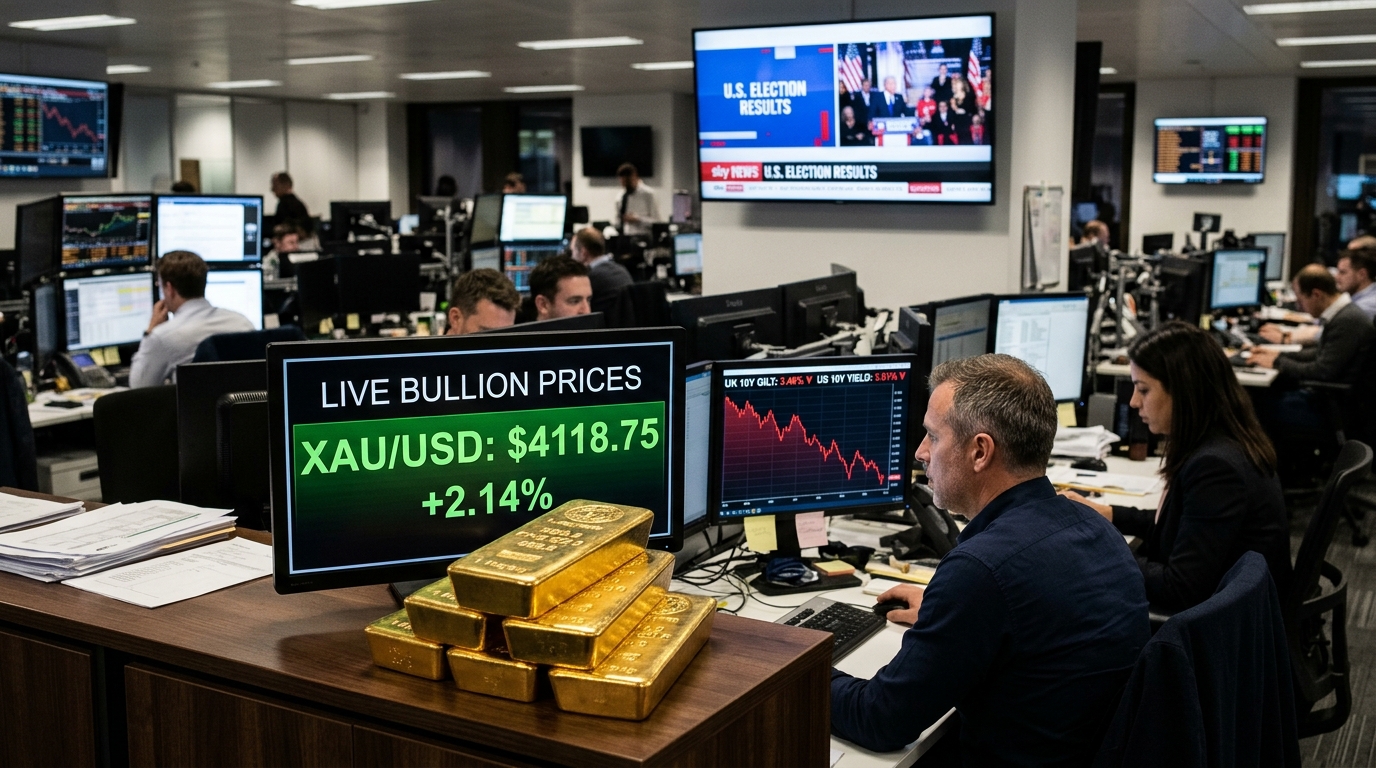
Iran war fears lift rate concerns as oil risk returns

Oil-market risk is back in focus as investors weigh whether a prolonged conflict involving Iran could keep energy prices elevated and complicate the outlook for inflation and interest rates. Two separate MarketWatch reports highlighted the theme, with one strategist describing a prolonged Iran war as the market’s real “black swan,” while another report said interest rates could go “significantly higher” if oil prices keep climbing, even if the conflict ends relatively soon.
Taken together, those reports underline a familiar but powerful market linkage: geopolitical disruption in a major energy-producing region can quickly spill into inflation expectations, bond yields and risk assets worldwide.
Why Iran matters for global markets
Iran sits near some of the world’s most important oil transit routes and remains central to wider Middle East risk calculations. Even when supply losses do not materialize immediately, the possibility of disruption can be enough to push up crude prices as traders price in insurance costs, shipping uncertainty and the chance of broader regional escalation.
According to MarketWatch, some strategists now see a prolonged Iran war as the scenario that markets may be underestimating most. That framing matters because so much recent investor attention has centered on elections, artificial intelligence and central-bank timing. A sustained geopolitical oil shock would cut across all three by reshaping growth, inflation and sector performance at once.
The inflation and rates channel
Higher oil prices can affect inflation directly through gasoline, diesel and other fuel costs, and indirectly through freight, manufacturing inputs and household expectations. If energy prices stay elevated long enough, central banks may find it harder to declare victory on inflation even if other price measures cool.
That is the key message in a separate MarketWatch report, which said interest rates could move significantly higher if oil continues rising. The point is not simply that central banks react one-for-one to crude prices, but that persistent energy inflation can keep broader financial conditions tighter for longer.
For bond markets, that can mean upward pressure on yields as traders reassess inflation trajectories. For equities, it can produce a more uneven response: energy producers may benefit from stronger pricing, while rate-sensitive and consumer-focused sectors can come under pressure if fuel costs rise and borrowing expectations shift higher.
What investors may watch next
The biggest question is duration. Short-lived geopolitical spikes in oil often fade if physical supply remains intact. Prolonged conflict is different because it can alter shipping patterns, disrupt confidence and sustain a geopolitical risk premium well beyond the initial event.
Investors will also be watching whether crude moves begin to affect central-bank messaging more explicitly. If policymakers start to emphasize energy-driven inflation persistence, markets may need to reprice not only near-term rate expectations but also the timing of any eventual easing cycle.
There is also a currency angle. Countries that are large energy importers can come under greater pressure when oil rises, while oil-exporting economies and related currencies may prove more resilient. Although today’s wire did not include a directly matching multi-source forex confirmation on this specific point, the cross-asset implications remain significant.
Why this story stands out now
MarketPro readers have shown the strongest interest in macro stories with clear links across stocks, commodities, rates and currencies. This development fits that pattern without repeating the already saturated election-shock narrative. It also introduces a distinct commodities-led risk that could influence global markets more broadly than a single-company earnings move.
- For inflation: sustained oil gains can slow progress on price stability.
- For rates: markets may price in tighter policy or higher-for-longer expectations.
- For equities: energy may outperform while rate-sensitive sectors face pressure.
- For the global economy: higher fuel costs can weigh on consumers and import-dependent regions.
According to MarketWatch reports, the market risk is not just a temporary jump in crude, but the possibility that a drawn-out Iran conflict keeps energy prices elevated long enough to affect inflation and interest-rate assumptions worldwide.
Outlook: The neutral near-term focus is whether oil volatility fades quickly or hardens into a longer-lasting macro headwind for inflation, rates and growth.
MarketPro reports are AI-assisted analyses of publicly reported market news. Not investment advice.