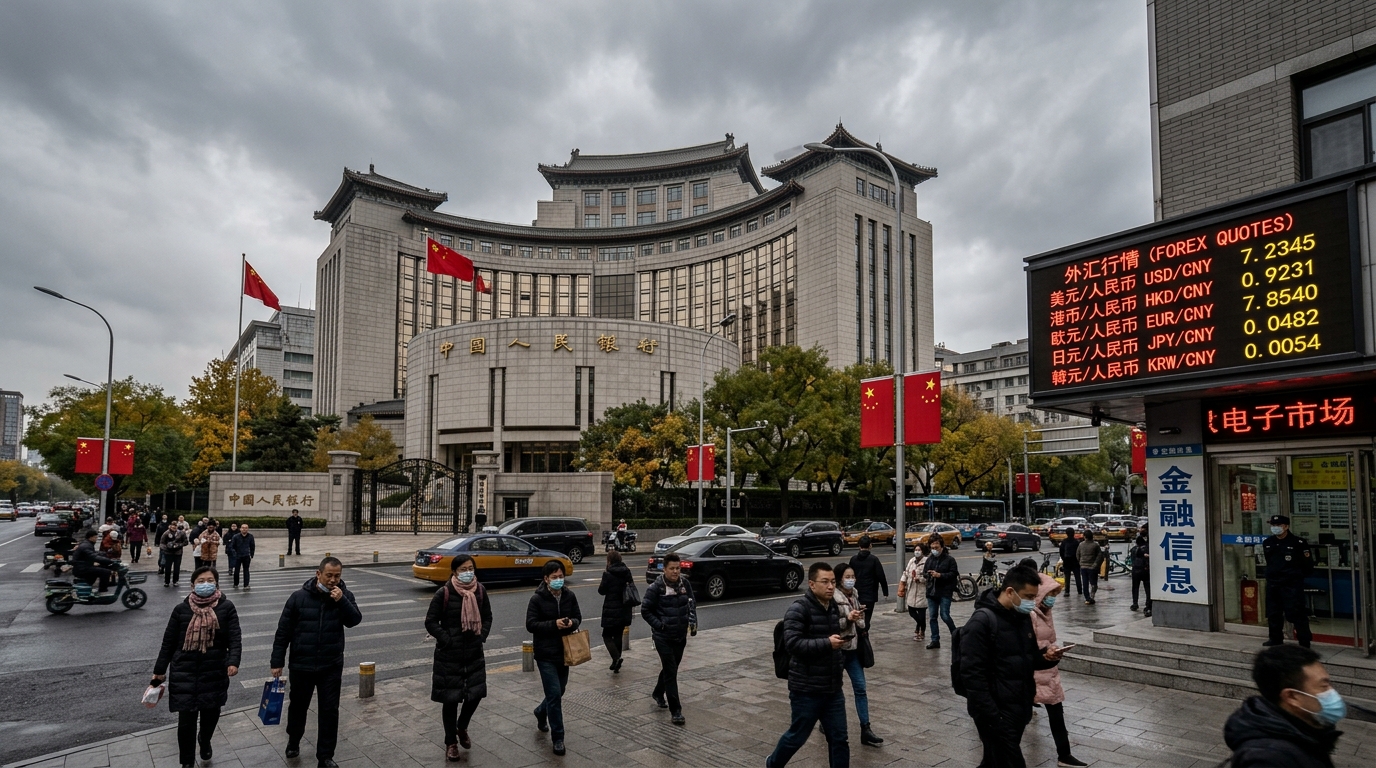
China Factory Growth Slows, Putting Trade and FX in Focus
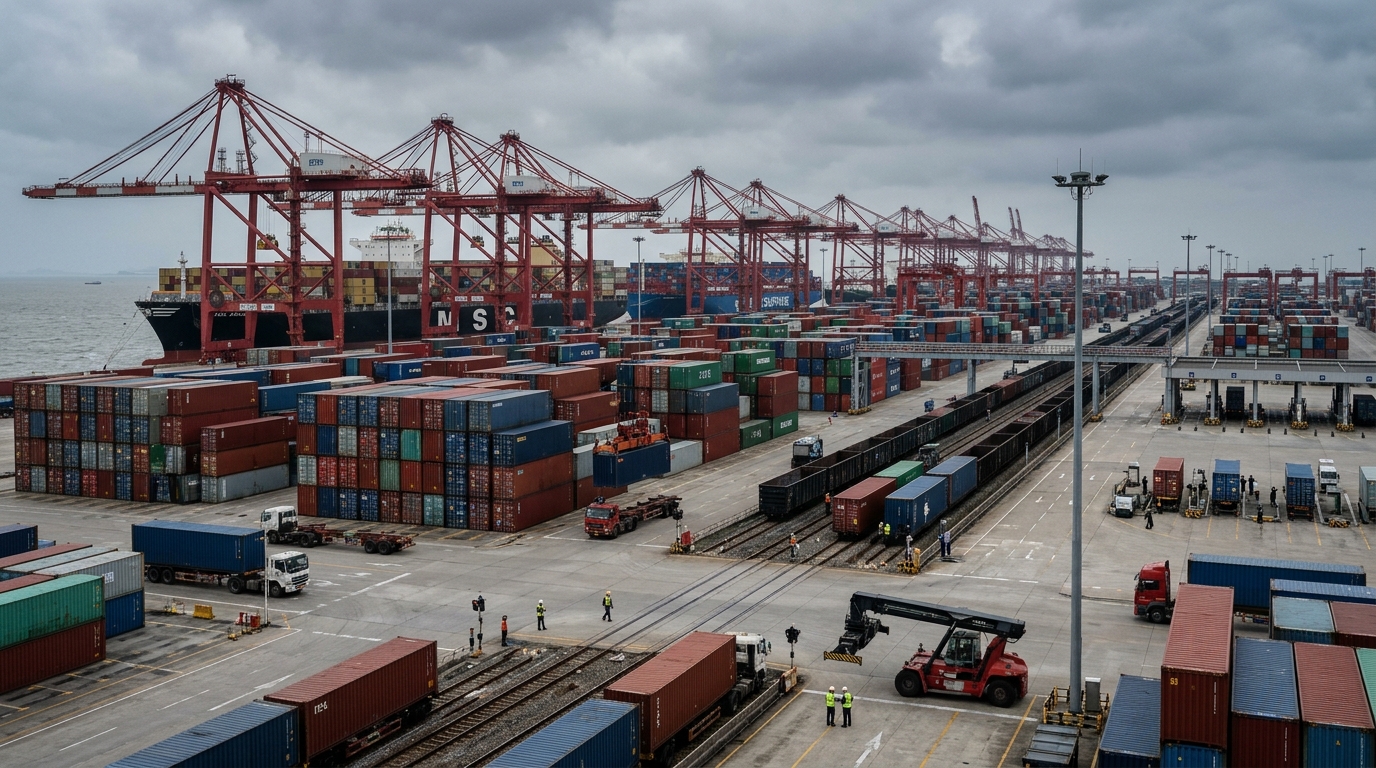
China’s latest factory data is giving global investors a fresh reason to watch Asian currencies and trade-sensitive markets more closely. According to Investing.com, China’s private manufacturing PMI showed factory growth slowed in October as export orders eased.
Even in headline form, that combination matters. A manufacturing sector that is still expanding but losing momentum can alter how investors think about the yuan, regional exporters, industrial commodities and the broader demand outlook for Asia.
Why the export-orders detail matters
The most important part of the headline may be the export-orders signal. Domestic factory activity can slow or accelerate for many reasons, but export orders often provide a cleaner read on external demand. If overseas orders are easing, markets may start to reassess how durable the trade backdrop really is for China and its neighbors.
That matters for foreign-exchange markets because regional currencies often trade not just on local rates and policy but also on trade momentum. Slower export demand can weigh on sentiment toward currencies that are closely linked to manufacturing supply chains and shipping flows.
While the headline does not provide currency moves or official policy responses, it does suggest a macro setup in which traders may become more sensitive to subsequent Chinese data, central-bank signals and any sign of further weakness in overseas demand.
Implications for the yuan and regional FX
The yuan is often at the center of this discussion, but the implications can reach beyond China. A softer manufacturing pulse can shape expectations for the currencies of economies tied to electronics, machinery, raw materials and intermediate goods.
When China’s factory momentum slows, investors often examine whether weaker demand could spill into imports of components and commodities. That can in turn influence sentiment around export-heavy Asian markets and currencies across the region.
Because no second headline in today’s file independently confirms the same PMI story, caution is warranted. Still, the market relevance is clear: China’s growth signals remain among the most important inputs for regional FX pricing.
Why this also matters for equities and commodities
The manufacturing headline is not just a foreign-exchange story. It may also carry implications for global stocks and commodities. Slower export orders can raise questions about earnings prospects for industrial, shipping and materials companies that depend on steady trade activity.
Commodity markets may also take notice, especially where demand expectations are heavily linked to factory output and construction-related supply chains. Even without a direct oil or metals headline tied to the PMI release, investors typically watch Chinese manufacturing data for clues about future consumption trends.
That broader read-through helps explain why China data can affect markets far beyond the mainland. A single manufacturing headline can influence regional equities, developed-market cyclicals and commodity-linked currencies in the same trading session.
Context for the broader macro narrative
The timing is important. Investors are already weighing uneven global growth, AI-led concentration in U.S. equities and sector-specific cost pressures in Asia. Into that backdrop, slower Chinese factory growth may reinforce the view that the world economy is still expanding unevenly rather than accelerating in a synchronized way.
If that interpretation gains traction, foreign-exchange markets may remain selective. Traders could become more focused on relative resilience: which economies are still benefiting from trade, which central banks have room to respond, and which currencies are most vulnerable to a softening manufacturing cycle.
What to watch next
From here, markets are likely to look for confirmation in additional China data, policy commentary and any new signals on export demand. Investors may also watch whether weaker factory momentum begins to show up in earnings guidance from trade-sensitive companies.
According to Investing.com’s headline, the immediate signal is moderation rather than collapse. The neutral outlook is that markets may treat the PMI slowdown as a caution flag for trade and FX, while waiting for broader data to determine whether it becomes a larger macro trend.
MarketPro reports are AI-assisted analyses of publicly reported market news. Not investment advice.