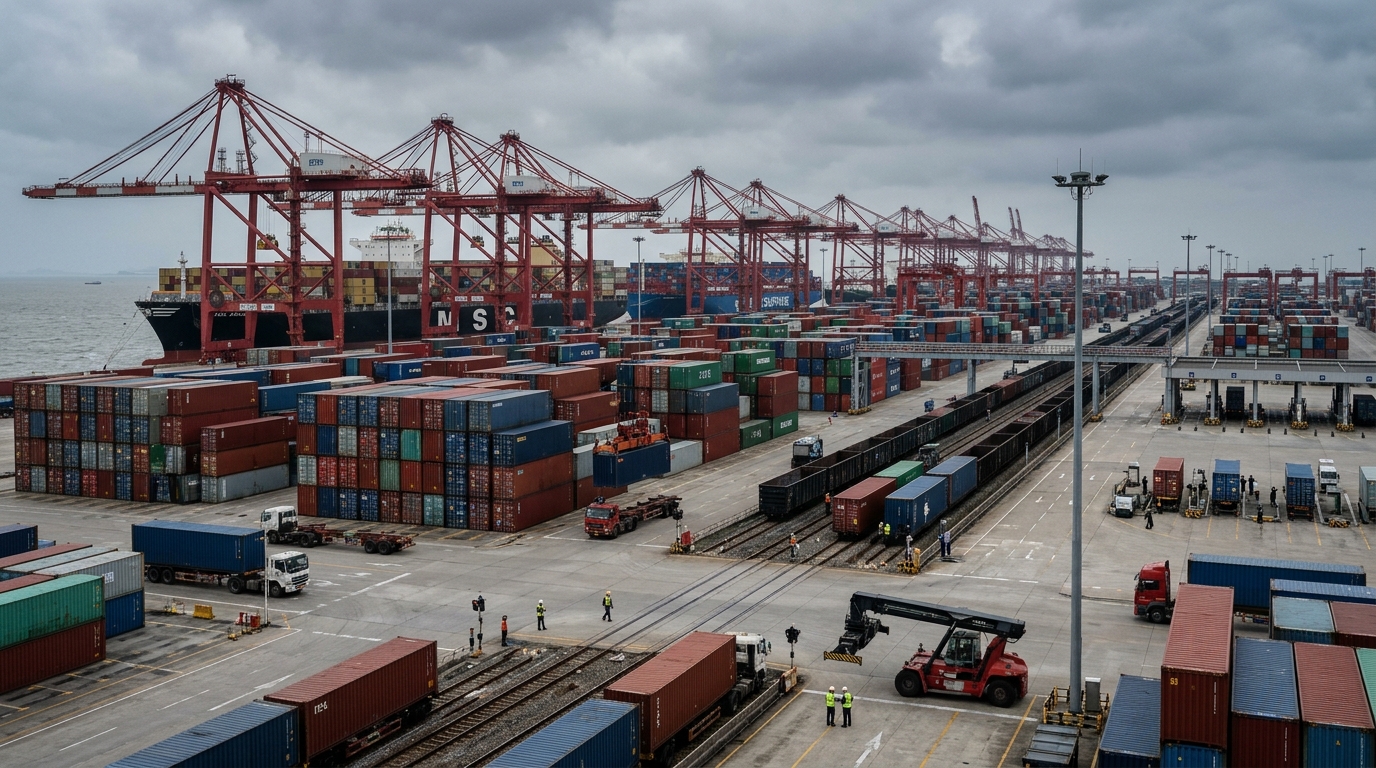
China FX reserve move puts currency policy back in focus
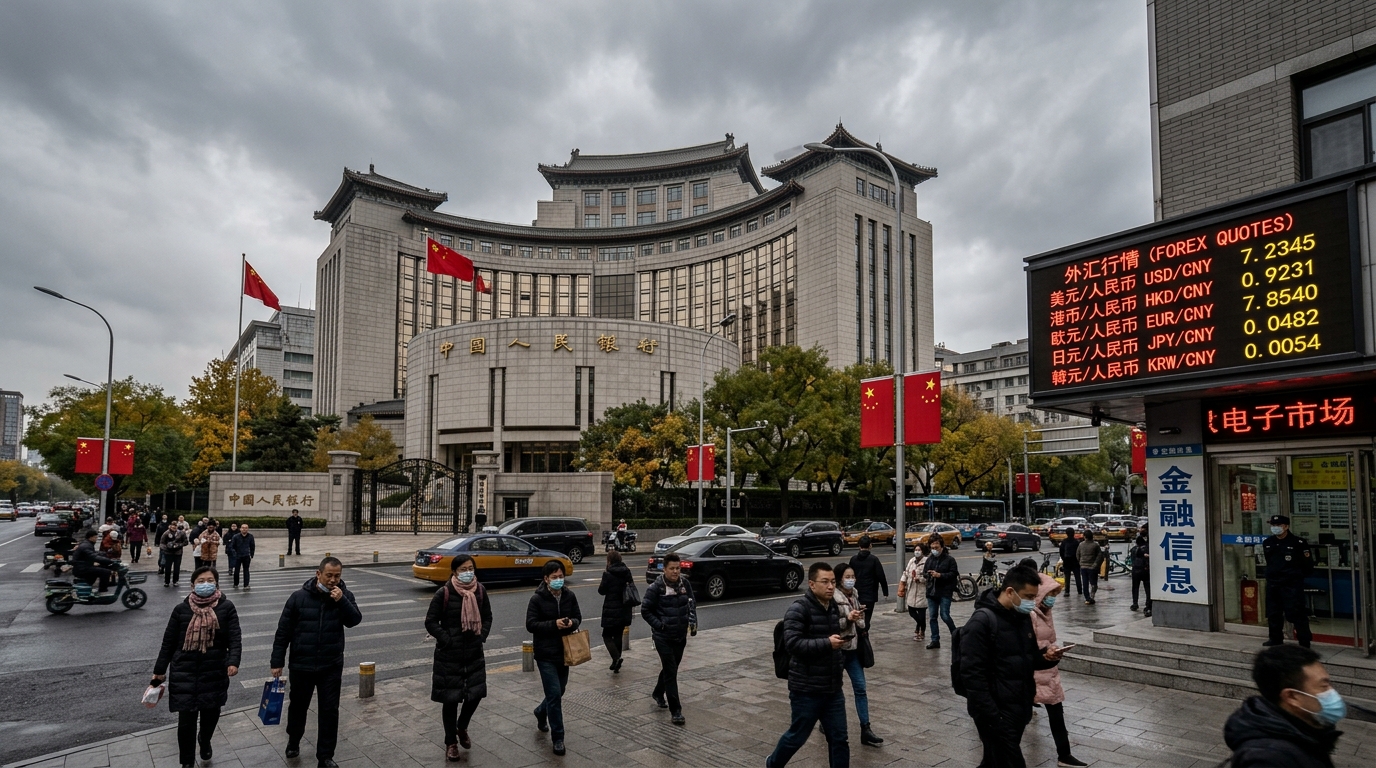
China’s reported decision to raise the foreign-exchange deposit reserve ratio to 6% has put currency policy back into focus for global markets. Investing.com reported the move, which is notable because reserve-ratio changes in the FX system are closely watched as tools that can influence foreign-currency liquidity and shape expectations around the renminbi.
While the available wire headline did not include broader official explanation, markets typically treat this kind of measure as a signal that policymakers remain active in managing currency conditions rather than leaving moves entirely to market forces. That alone is enough to make the development important for traders in Asia, emerging markets and dollar-linked risk assets.
Why the move matters beyond China
Currency policy in China rarely stays local. The renminbi is embedded in regional trade flows, supply-chain pricing and broader risk sentiment. When Beijing changes a tool tied to FX deposits, investors often reassess how policymakers are reading capital flows, external pressure and domestic financial conditions.
This matters at a time when other market signals are already pulling in different directions. According to CNBC, crude prices initially sold off more than 7% on hopes for Iran peace talks, while later Investing.com reports citing the Wall Street Journal pointed to a rebound in oil after a reported U.S. strike on Iran’s Qeshm Island. In equities, MarketWatch reported the Nasdaq-100 had entered its third correction of the year. Against that backdrop, any policy action from China becomes part of a much wider macro puzzle.
If commodity prices are volatile, growth-sensitive stocks are fragile and political headlines are shifting quickly, currency markets tend to become a key transmission channel. That raises the relevance of any Chinese FX policy adjustment, especially one that can affect perceptions of dollar demand or yuan stability.
A policy tool traders know to watch
The foreign-exchange deposit reserve ratio is one of several administrative and liquidity-related instruments that Chinese authorities can use when they want to influence market conditions without necessarily making broader changes to benchmark rates. Even in the absence of a detailed statement in the wires provided here, the move itself carries signaling value.
For market participants, the first question is usually whether the adjustment is intended to discourage one-way positioning, smooth volatility, or fine-tune domestic access to foreign-currency funding. A second question is whether it suggests greater official sensitivity to recent currency moves. Those interpretations can affect everything from offshore yuan trading to sentiment toward Asian exporters and commodity importers.
Because the headline came from Investing.com alone in the provided wires, caution is warranted in stretching the interpretation too far. Still, the fact of the move is enough to make it one of the day’s more important policy developments for global macro investors.
Broader market implications
For equity investors, a firmer focus on Chinese currency policy can influence how they think about multinational earnings, imported inflation and regional demand. For bond and rates traders, it can alter assumptions about financial conditions in Asia. For commodity markets, any policy action tied to currency management may shape import-cost expectations, especially for energy and industrial inputs priced in dollars.
The move also aligns with a pattern that readers tend to follow closely: policy headlines with direct market consequences. Compared with political stories that have no immediate repricing effect, a change in FX reserve requirements speaks directly to liquidity, volatility and the official stance toward currency stability.
Why this story fits the current market mood
Recent market action has shown how quickly investors can pivot from company earnings to macro risk. MarketWatch highlighted renewed pressure in technology shares, while Cointelegraph reported that Bitcoin was at risk of further declines even after the drop in oil prices. In that environment, foreign-exchange policy can become a central anchor for investors seeking clearer signals from governments and central authorities.
China’s move therefore stands out not because it resolves broader uncertainty, but because it shows policymakers are still actively using targeted tools as global markets remain unsettled.
Neutral outlook: Traders will likely watch for any follow-up commentary or market reaction in the yuan and regional currencies to judge whether this was a technical adjustment or a stronger policy signal.
MarketPro reports are AI-assisted analyses of publicly reported market news. Not investment advice.