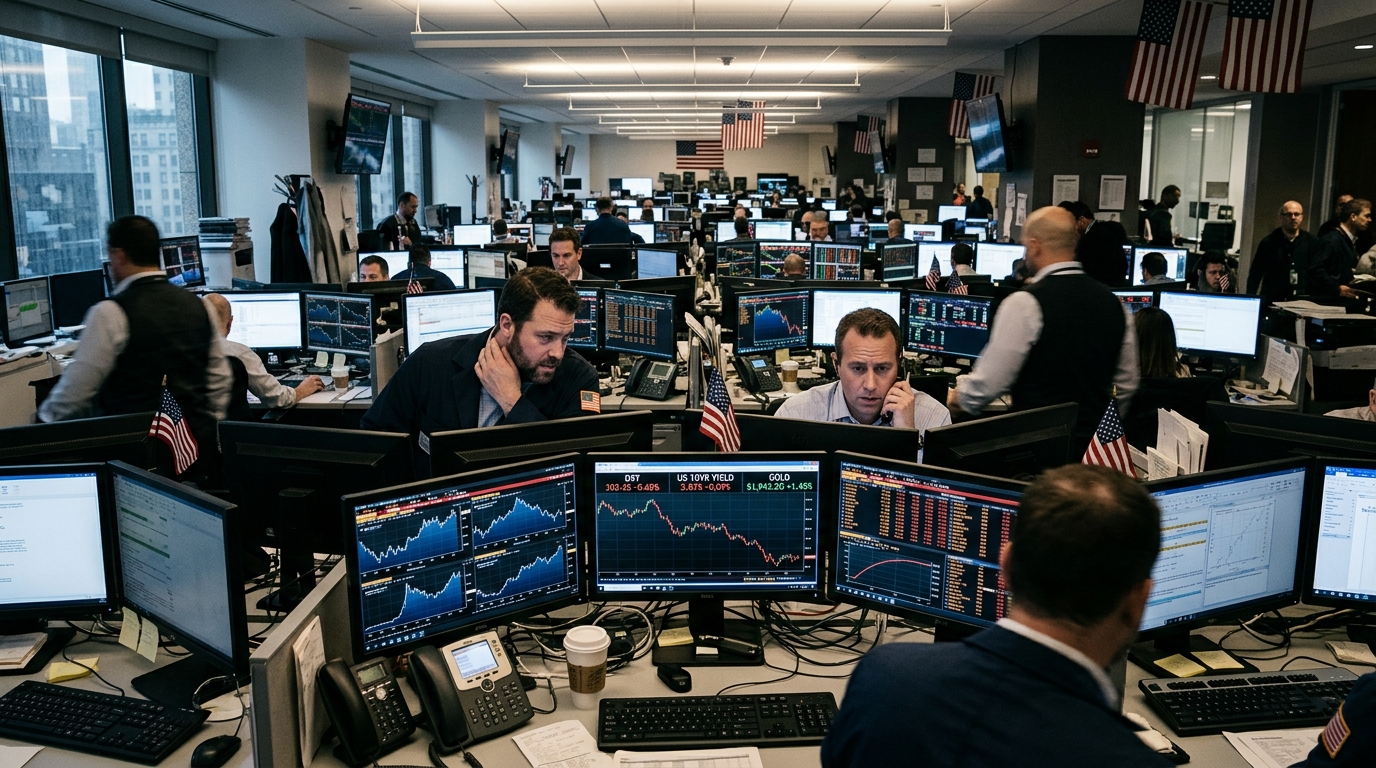
Dollar rebounds as tech sell-off lifts haven demand
The U.S. dollar moved back into focus after a sharp technology-led market sell-off prompted a fresh haven bid, according to an Investing.com report. The move puts foreign-exchange markets at the center of a broader reassessment of risk across asset classes, as investors respond to equity volatility and shifts in appetite for higher-risk trades.
While many of the day’s headlines were dominated by losses in technology shares, the currency angle matters because it often helps explain how investors are positioning beyond stocks. In risk-off periods, traders frequently rotate toward perceived defensive assets, and the dollar can benefit from that dynamic, especially when global investors cut exposure to volatile sectors.
Why the dollar is drawing support
According to Investing.com, the latest rebound came as a global tech sell-off encouraged demand for safer assets. That pattern is familiar in foreign-exchange markets: when equity weakness broadens and market participants become more cautious, funding currencies and traditional havens tend to strengthen.
The backdrop appears especially notable because recent market attention had been split among election-related policy questions, interest-rate expectations and volatility in commodities. A stronger dollar in this setting suggests that investors are prioritizing capital preservation and liquidity over chasing risk-sensitive trades.
For currency markets, the tone of the move may matter as much as the size. If the dollar’s gains are driven mainly by temporary hedging around stock-market stress, the move could fade quickly if equities stabilize. But if the rebound reflects a deeper rethink of growth and earnings expectations, foreign-exchange markets may remain active well beyond a single trading session.
How the FX move fits the wider market picture
The dollar story also connects with other developments on the wire. CNBC reported that the Nasdaq had dropped into correction territory, while MarketWatch said tech stocks logged their worst day since 2020 as pressure hit the artificial-intelligence trade. Those reports reinforce the core market backdrop described by Investing.com: investors were reacting to a sharp deterioration in risk sentiment centered on technology shares.
That cross-source alignment is important. Rather than viewing the dollar’s rebound in isolation, investors can read it as part of a broader defensive shift spanning stocks and currencies. When a large segment of the equity market weakens abruptly, foreign exchange often becomes one of the first channels through which investors adjust global exposure.
A firmer dollar can also have knock-on effects across international markets:
- Imported financial stress: A stronger dollar can tighten conditions for markets and companies with dollar-linked liabilities.
- Pressure on risk assets: Dollar strength often accompanies caution in equities, emerging markets and parts of crypto.
- Commodity sensitivity: Many commodities are priced in dollars, so FX moves can influence broader pricing conditions.
What traders may watch next
Near term, market participants are likely to track whether the rebound in the dollar broadens into a more durable trend or remains a short-lived response to equity volatility. The answer may depend on whether risk sentiment improves and whether upcoming macro data changes the rates outlook.
CNBC noted that the October jobs report is due Friday, giving investors a fresh macro event that could shape both Treasury and currency trading. A major labor-market surprise could shift attention from equity stress to interest-rate expectations, which in turn could alter the dollar’s path.
For now, the key takeaway is that the dollar is again acting as a pressure gauge for global risk appetite. According to Investing.com, haven demand has returned as the tech sell-off rattles investors, and reports from CNBC and MarketWatch show that the equity weakness behind that move is substantial enough to matter across markets.
Neutral outlook: The dollar’s rebound underscores a cautious tone in global markets, but its durability will likely depend on whether risk sentiment stabilizes and how upcoming U.S. data reshapes expectations.
MarketPro reports are AI-assisted analyses of publicly reported market news. Not investment advice.