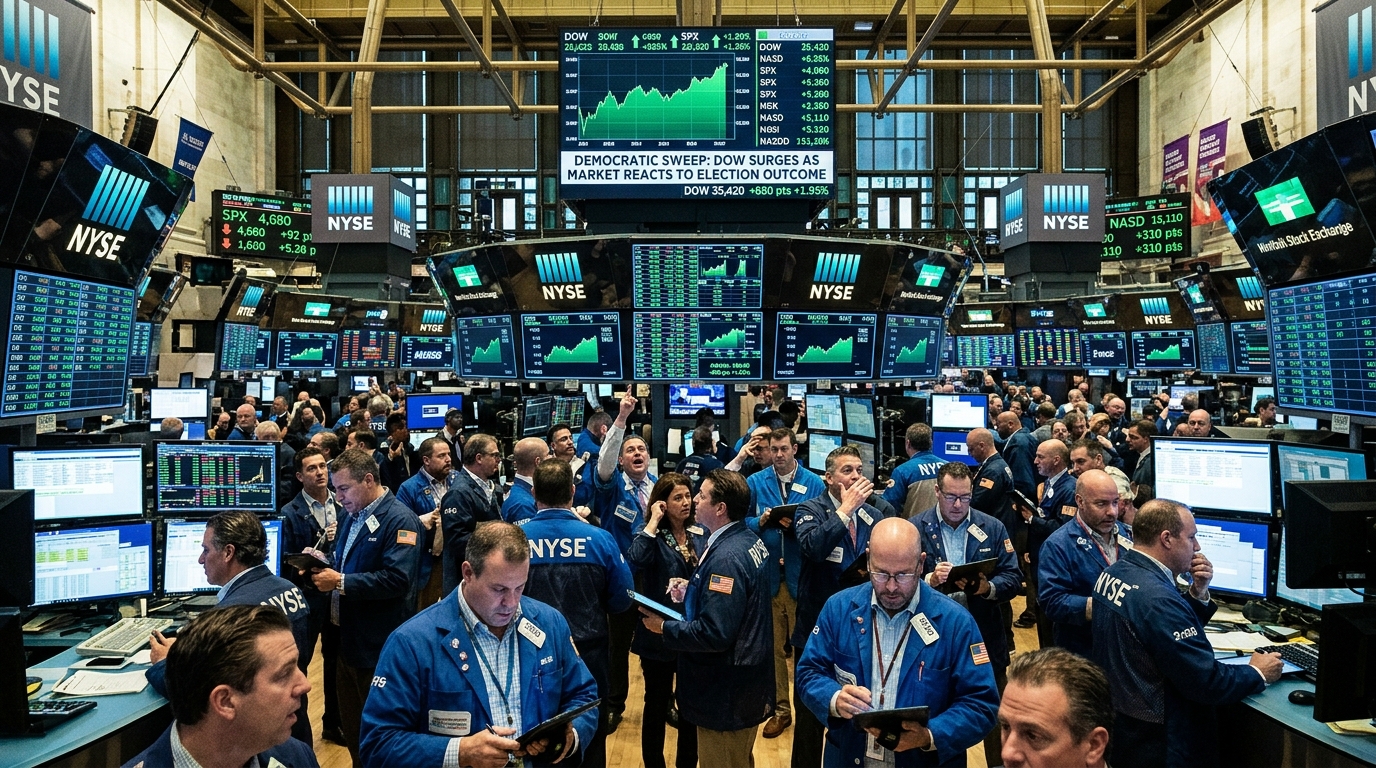
Global Markets Daily Brief — November 06, 2026
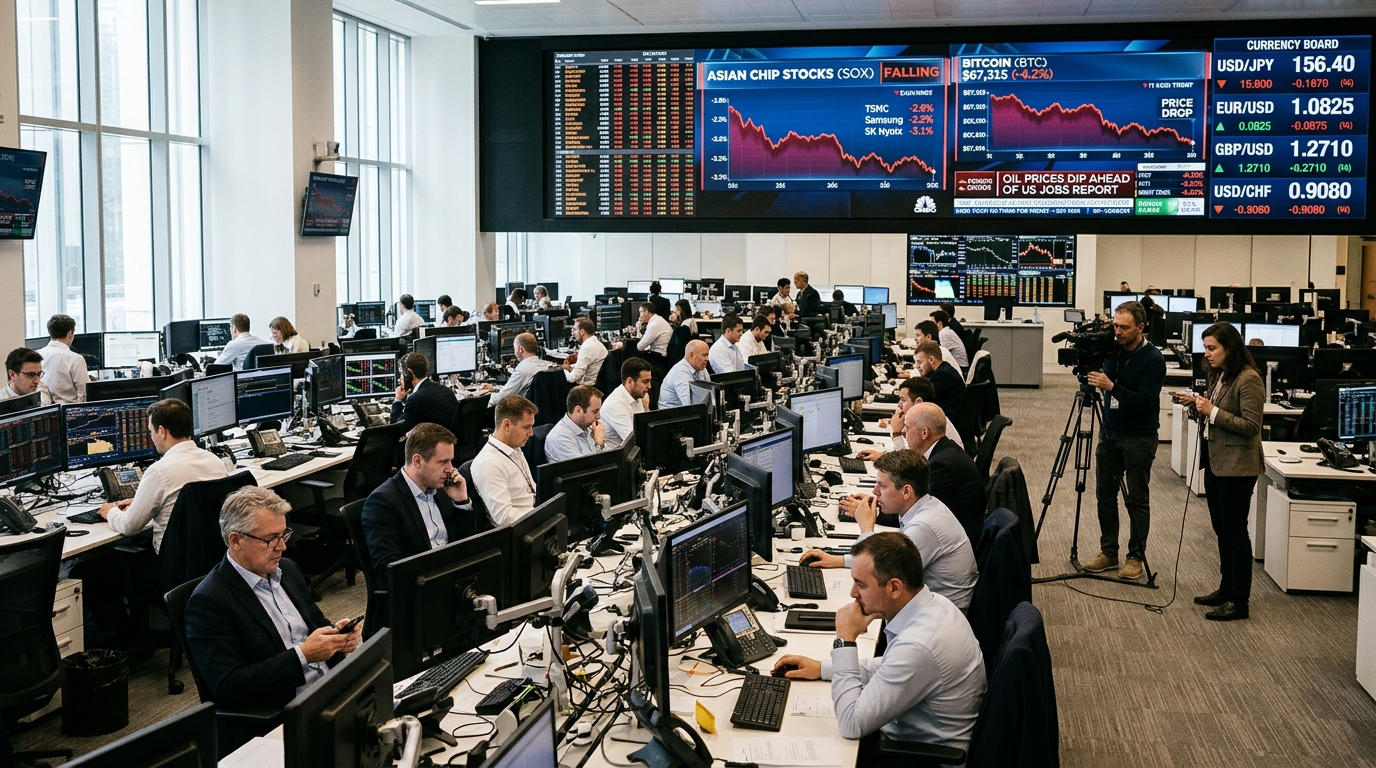
Global markets entered Friday under pressure after a sharp technology-led selloff in the United States spilled into Asia, while investors also prepared for the October U.S. jobs report and weighed signs of softer energy demand. According to CNBC and MarketWatch reports, the retreat in big U.S. technology names hit risk appetite across equities and crypto, with the AI trade at the center of the move.
In stocks, the immediate overseas impact was clearest in semiconductor shares. CNBC reported that the Nasdaq selloff battered Asian chip stocks, with SK Hynix, Samsung Electronics, SoftBank and TSMC all tumbling. That move was echoed by Investing.com coverage focused separately on sharp declines in SK Hynix, TSMC and Samsung, while Investing.com also said Japan’s Nikkei was nearing bear-market territory as the AI rout hit technology valuations.
MarketWatch described Thursday as the worst day for tech stocks since 2020, saying the carnage had spread through the AI trade. CNBC also highlighted the scale of the damage among the biggest U.S. names, saying the so-called Magnificent 7 lost about $1 trillion in value during the plunge.
Jobs report becomes the next test
Attention now turns to U.S. labor-market data. CNBC previewed the October jobs report with a guide to what markets were expecting, while MarketWatch said the report could either calm investors after the tech rout or add to the pressure. With risk assets already unstable, the payrolls release is shaping up as the next major macro catalyst.
That matters beyond equities. A labor-market surprise can quickly affect Treasury yields, the dollar and broader expectations for growth. Although the wire headlines did not provide live currency moves, the setup points to forex markets taking their lead from the same macro inputs now driving stocks: U.S. growth expectations, risk appetite and rate assumptions.
Crypto follows broader risk mood
Digital assets also reflected the shift away from risk. Cointelegraph reported that Bitcoin fell 6% to a seven-week low as U.S. stocks erased election gains, and separately summarized the day’s broader crypto developments. The move fits a pattern readers have followed closely in recent sessions: crypto tracking macro sentiment rather than trading on sector-specific themes alone.
That cross-asset linkage has become increasingly important. When technology stocks and AI-linked names come under pressure, cryptocurrencies have often reacted in the same direction, especially when the trigger is a broad repricing of growth expectations rather than an isolated company event.
Oil story points in a different direction
In commodities, Investing.com reported that high oil prices were beginning to curb demand and that fresh signs of oversupply were appearing. That creates an important contrast with the equity story. While stock investors are grappling with valuation pressure in growth sectors, oil traders are confronting a more traditional demand-and-supply balance question.
If those glut signals build, they could offer some relief for inflation-sensitive markets, even as they reinforce concerns about economic momentum. For now, though, the dominant market tone remains one of caution rather than relief.
What markets are watching now
- Equities: Whether the U.S. tech selloff stabilizes after heavy losses in AI and semiconductor names.
- Forex: How the jobs report influences dollar sentiment through growth and rate expectations.
- Commodities: Whether signs of weaker oil demand translate into broader price declines.
- Crypto: Whether Bitcoin continues to move in step with risk assets.
The global picture heading into the session is one of synchronized caution: weaker tech shares, softer crypto prices and a macro calendar dominated by U.S. labor data. A short neutral outlook: markets appear highly sensitive to any data that could either validate the recent risk-off move or interrupt it, with the jobs report likely to set the immediate tone across assets.
MarketPro reports are AI-assisted analyses of publicly reported market news. Not investment advice.