Dubai Dirham Crypto Rollout Marks New Exchange Milestone
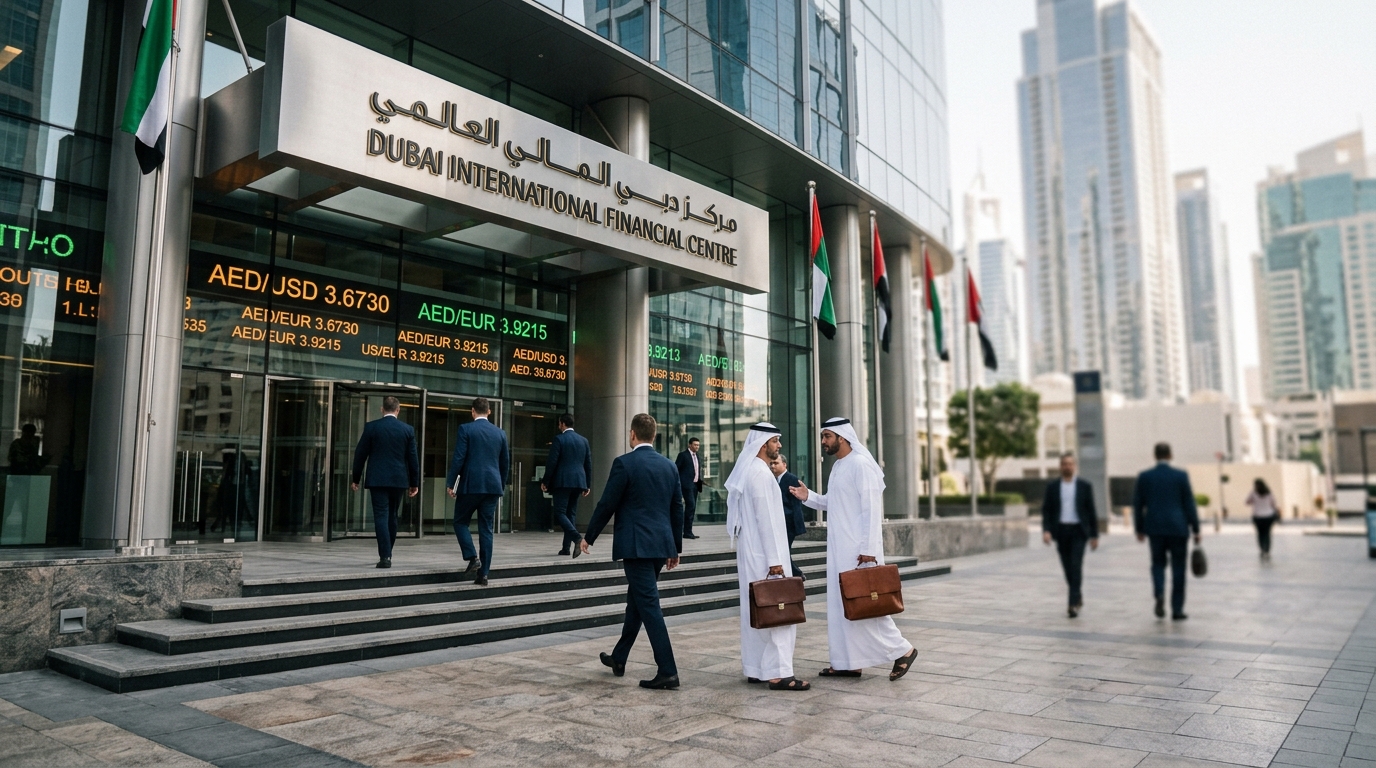
A new piece of crypto market infrastructure is taking shape in the United Arab Emirates after Cointelegraph reported that Kraken’s parent company cleared Dubai’s final hurdle for a dirham trading rollout. While the headline is company-specific, the bigger market significance lies in what it says about regulated local-currency access in one of the world’s most closely watched digital-asset hubs.
The development points to a theme that has become increasingly important across global crypto markets: trading growth is no longer just about token listings or leverage. It is increasingly about regulated on-ramps, settlement rails and the ability to connect digital assets with domestic currencies under clear supervision.
Why dirham access matters
Local currency trading pairs can be a major strategic advantage for exchanges. They reduce friction for users, improve price discovery in the domestic market and can deepen liquidity by allowing participants to move directly between fiat and digital assets without routing through the U.S. dollar or stablecoins.
In Dubai’s case, the dirham has growing relevance because the city has positioned itself as a regional center for digital-asset firms, trading platforms and fintech expansion. If an exchange can offer regulated dirham trading, it potentially broadens its reach from global crypto-native users to local individuals and institutions that prefer operating within familiar banking and payment frameworks.
Cointelegraph’s report that Kraken’s parent cleared the final hurdle suggests the rollout has moved beyond aspiration and closer to execution. Even without additional public detail in the headline, the market takeaway is clear: regulatory progress is becoming a competitive differentiator.
Regulation is becoming market structure
In earlier crypto cycles, regulatory approvals were often treated as a legal footnote to a growth story. That is changing. In many jurisdictions, including the Gulf region, approvals now shape the actual market structure by determining which firms can access banking channels, list local currency pairs and serve different classes of customers.
This matters because a regulated fiat gateway can influence everything from spreads and trading volumes to custody relationships and institutional participation. It can also improve operational resilience by reducing dependence on less direct settlement pathways.
For market participants, the broader implication is that crypto’s next phase is being built through financial plumbing rather than hype alone. Licenses, local payment connections, custody arrangements and compliance frameworks are becoming the foundation of durable exchange businesses.
Why Dubai remains in focus
Dubai has drawn sustained attention because it has sought to create a defined operating environment for digital-asset firms while competing with other global financial centers for fintech and crypto investment. A milestone involving dirham trading fits that pattern. It signals that the market is maturing from broad regulatory ambition toward practical implementation.
That implementation phase tends to matter more for actual adoption. A jurisdiction can be viewed as crypto-friendly in principle, but local markets typically grow faster when users can fund accounts in domestic currency, move money through recognized rails and trade under rules understood by banks, firms and regulators alike.
For exchanges, this creates both opportunity and pressure. Firms that secure local approvals may gain trust and first-mover advantages, while those relying only on offshore models may find it harder to compete in increasingly regulated environments.
A wider signal for global crypto competition
The Dubai development also speaks to a global trend: regional crypto centers are competing on clarity, not just permissiveness. Exchanges and service providers now need credible regulatory footprints in multiple jurisdictions. Winning in one market may increasingly depend on offering locally integrated products rather than a one-size-fits-all global platform.
That has implications for market concentration, liquidity distribution and the geography of crypto innovation. If more jurisdictions push exchanges toward domestic-currency integration, trading activity could become more regionally anchored even as crypto remains globally traded.
It also highlights why infrastructure news can matter as much as token-price moves. Market access decisions often have longer-lasting effects than short-term volatility because they influence who can participate, how funds move and where liquidity forms.
What to watch next
- Trading pairs: The eventual scope of dirham-denominated offerings will help indicate how ambitious the rollout is.
- Banking links: Local settlement and payment connectivity will be key to real-world adoption.
- Institutional use: Regulated fiat access could make the platform more relevant for professional market participants.
- Regional competition: Other exchanges may accelerate local approvals in response.
Neutral outlook: The immediate headline is about one exchange, but the broader significance is structural. As regulated local-currency access expands, crypto competition is likely to be shaped increasingly by licensing, banking integration and regional market design.
MarketPro reports are AI-assisted analyses of publicly reported market news. Not investment advice.