Fed’s Hammack Signals Case for Keeping Rates Restrictive
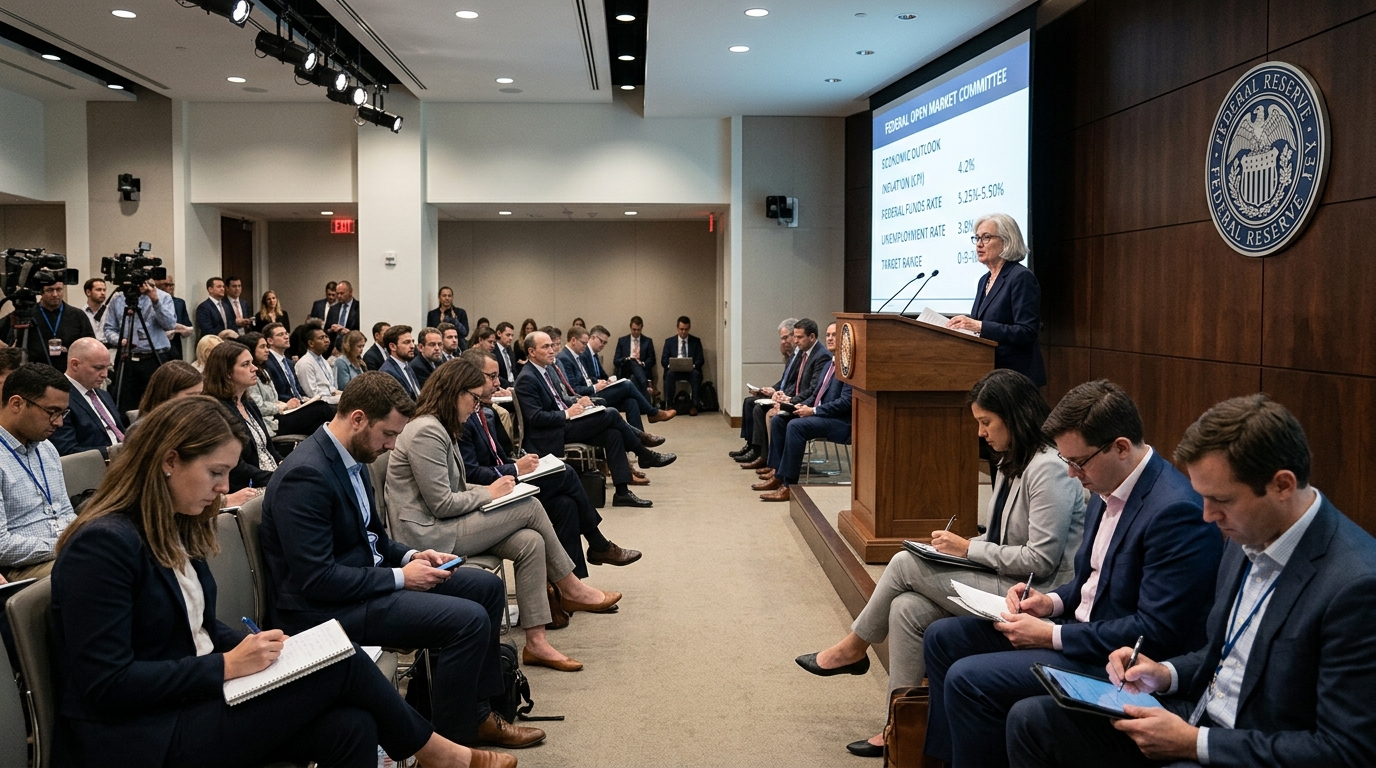
Federal Reserve messaging returned to center stage after CNBC and Investing.com both reported comments from Cleveland Fed President Beth Hammack indicating that U.S. interest rates may need to stay restrictive, or even move higher, to keep inflation expectations from becoming entrenched.
According to CNBC, Hammack said higher rates could be needed to avoid an “inflationary mindset” taking hold. Investing.com separately reported that she backed restrictive policy and said it would be better if such policy tightening came “relatively quickly.” Taken together, the remarks reinforce a familiar but still market-relevant signal: some Fed officials remain more concerned about inflation persistence than about easing financial conditions too soon.
Why Hammack’s remarks matter now
Fed communication often moves markets not because it changes policy immediately, but because it shapes expectations about the path ahead. Hammack’s emphasis on preventing an inflationary mindset suggests policymakers are watching not only recent inflation data, but also broader behavior across consumers, businesses and financial markets.
When central bankers refer to inflation expectations, they are usually focused on whether households and companies start assuming faster price gains are normal. If that happens, businesses may feel more comfortable raising prices and workers may push for larger wage gains, making inflation harder to bring down. Hammack’s comments, as reported by CNBC and Investing.com, indicate she sees that risk as important enough to justify a firm stance.
That matters for rate-sensitive assets across equities, bonds and currencies. A more restrictive Fed posture can keep Treasury yields elevated, tighten credit conditions and support the U.S. dollar. It can also raise the bar for equity valuations, especially in sectors that depend heavily on future earnings growth.
Markets are parsing the difference between “higher” and “longer”
One key question for investors is whether officials are signaling another rate increase or simply a longer period of elevated rates. The headlines do not confirm a specific policy action, and it would be premature to claim that Hammack’s remarks point to any immediate move at an upcoming meeting. But they do underline that the Fed debate has not decisively shifted toward easing.
That distinction is important. “Higher for longer” tends to weigh on borrowing-sensitive parts of the economy such as housing, commercial real estate and some consumer finance segments. It can also influence corporate spending plans if companies expect financing costs to remain elevated. At the same time, a policy outlook that stays restrictive can benefit cash yields and support the income appeal of short-duration fixed income.
For broader markets, the practical takeaway is that inflation remains the core policy anchor. Even in sessions dominated by geopolitics or earnings anticipation, Fed language can reset the market’s baseline assumptions very quickly.
What this means for the inflation debate
Hammack’s framing is notable because it focuses on psychology as much as on data. Central banks can tolerate uneven monthly readings, but they are generally more alarmed if they believe inflation is becoming embedded in expectations. According to CNBC, her concern was that an inflationary mindset could take hold. That wording implies a desire to act decisively enough to preserve policy credibility.
Investing.com’s report that Hammack favors restrictive policy relatively quickly adds to that interpretation. It suggests urgency around maintaining pressure rather than waiting for a clearer deterioration in expectations or inflation behavior.
For businesses, that message can affect hiring, pricing and capital allocation decisions. For consumers, it can influence mortgage rates, auto financing costs and savings returns. For global markets, it keeps U.S. monetary policy as a central variable for cross-asset pricing.
Why this is a global market story
The Fed’s stance extends far beyond the United States. Higher or longer-lasting U.S. rates can pull capital toward dollar assets, affect emerging-market financing conditions and influence commodity pricing through currency channels. It can also shape how other central banks calibrate their own policy decisions, especially if a stronger dollar imports tighter financial conditions abroad.
That is why remarks from a Fed official can resonate globally even without a formal policy change. Markets are constantly reassessing whether inflation is cooling fast enough to justify a less restrictive stance. Hammack’s comments, as carried by CNBC and Investing.com, push back against any assumption that the inflation fight is effectively over.
Key market implications
- Rates: Restrictive-policy language may keep upward pressure on front-end yield expectations.
- Equities: High-valuation and rate-sensitive sectors could remain vulnerable to hawkish repricing.
- Dollar: A firmer Fed tone can support the U.S. currency against major peers.
- Global liquidity: Tighter U.S. conditions can spill over into international funding markets.
Neutral outlook: The next phase for markets will depend on whether incoming inflation and labor data validate Hammack’s caution. For now, her comments support the view that the Fed is not ready to declare victory over inflation.
MarketPro reports are AI-assisted analyses of publicly reported market news. Not investment advice.