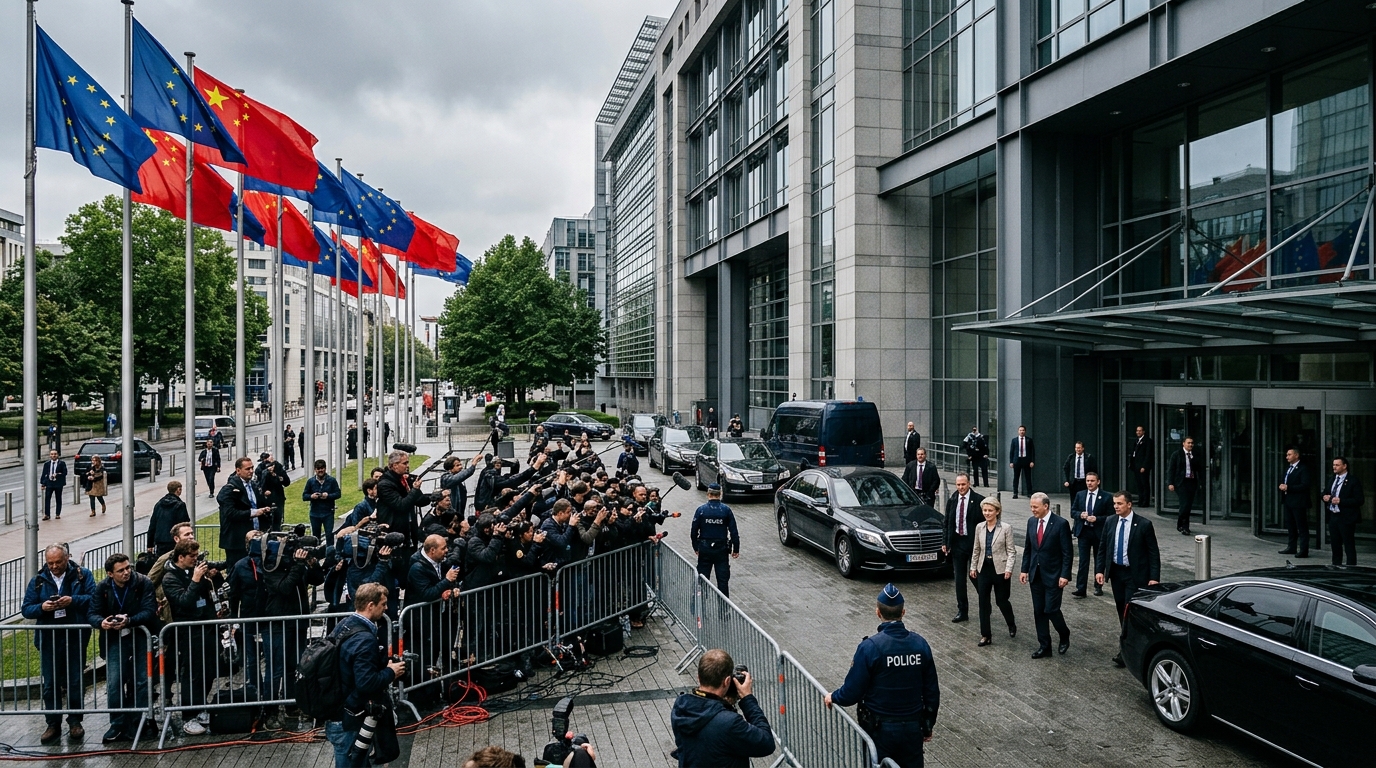
Middle East conflict, debt loom over IMF-World Bank meetings
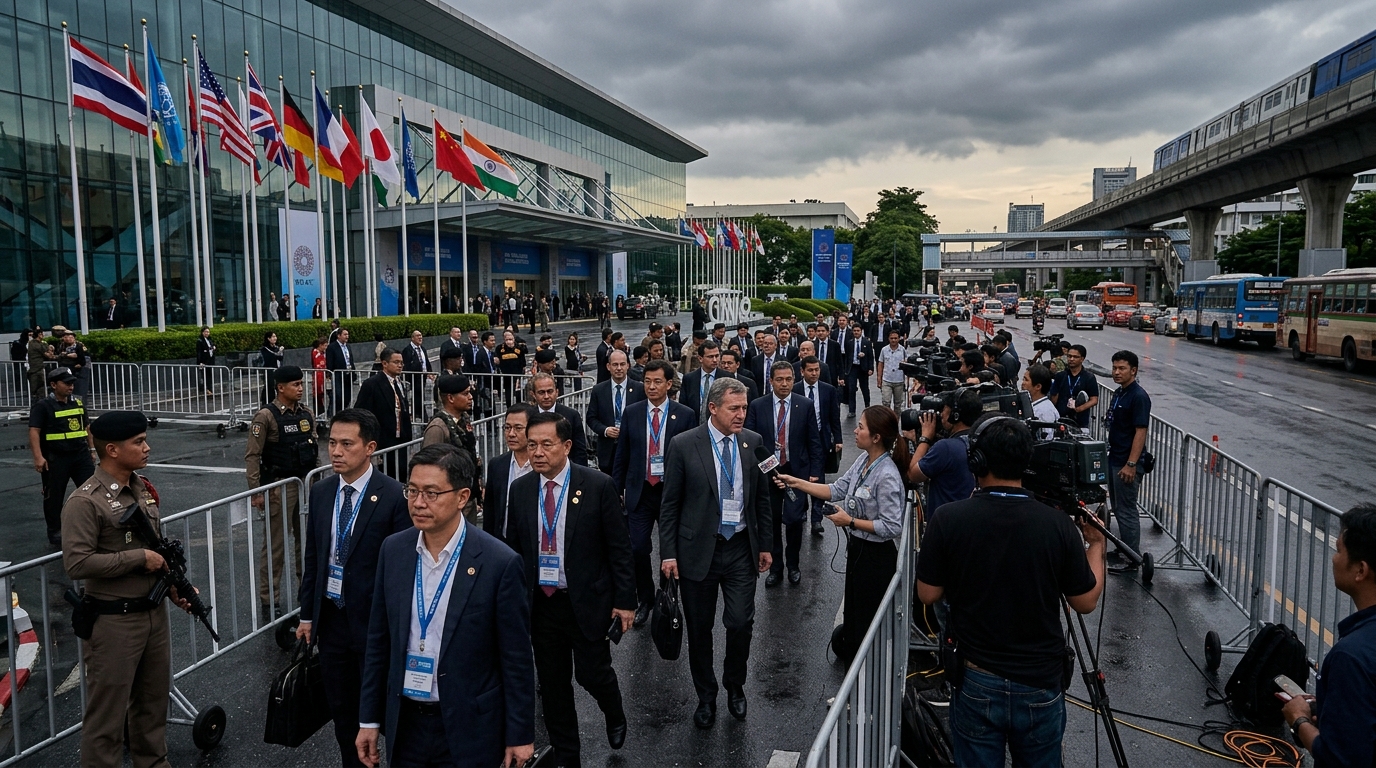
Global investors heading into the IMF-World Bank meetings in Bangkok are facing a familiar but increasingly difficult mix: geopolitical risk and debt vulnerability. According to an Investing.com report, the Middle East war and elevated debt levels are expected to dominate discussions at the gathering, putting macro stability back at the center of market attention.
The headline matters because IMF-World Bank meetings often help frame the policy narrative for the months ahead. When the agenda is led by war risk and sovereign debt concerns rather than growth upgrades or reform momentum, markets typically focus more closely on funding conditions, fiscal resilience and cross-border capital flows.
Why the Bangkok meetings matter now
The IMF and World Bank meetings come at a time when investors are already balancing several competing forces: still-tight financial conditions in many economies, uneven growth, and recurring geopolitical shocks. The Investing.com report suggests that policymakers gathering in Bangkok are likely to spend significant time on how conflict in the Middle East could feed through to the global economy.
That transmission can happen through several channels. Energy prices are an obvious one, but not the only one. Shipping disruptions, weaker business confidence, and delays to investment decisions can all amplify the effect of conflict, particularly when debt burdens are already high. For countries that rely heavily on imported energy or external borrowing, those risks can combine quickly.
Debt concerns remain central for markets
High debt levels are the second major issue highlighted by Investing.com, and this is especially important for bond and currency markets. Even when debt problems do not immediately become crises, they can influence how investors price sovereign risk, how governments approach budgets, and how multilateral institutions frame support.
For developed economies, the issue is often about refinancing costs and long-term fiscal credibility. For lower-income and emerging-market countries, the challenge can be more immediate: access to financing, rollover risk and sensitivity to global rates. The Bangkok meetings could therefore become a key venue for signals on debt sustainability, restructuring frameworks and broader international support.
That backdrop is relevant not only for government bonds but also for equities and credit. If debt concerns remain elevated, investors may continue to favor balance-sheet strength, defensive earnings profiles and countries with stronger external accounts.
What investors may watch from policymakers
While the headline focus is broad, markets will likely look for several specific themes from the meetings:
- Any change in the tone on global growth, especially if war-related risks are seen as materially worsening the outlook.
- Discussion of debt vulnerabilities, particularly in emerging and frontier markets.
- Signals on multilateral support tools, including liquidity backstops or restructuring approaches.
- References to inflation and financing conditions, which could shape expectations for rate-sensitive assets.
Because the meetings bring together finance ministers, central bankers and international institutions, even incremental language shifts can matter. A more cautious tone could reinforce the market view that policy flexibility is limited when geopolitical shocks and debt costs are both elevated.
Why this fits the current reader trend
Macro brief-style coverage has been drawing the strongest reader interest, and this story fits that pattern closely. It sits at the intersection of geopolitics, sovereign risk and cross-asset market positioning. Unlike a single-company development, the Bangkok agenda has implications across bonds, equities, commodities and currencies.
It also gives investors a framework for interpreting upcoming official comments. Rather than treating the meetings as a routine diplomatic event, markets may view them as a checkpoint on how policymakers assess the global balance between conflict risk and financial fragility.
Neutral outlook: The Bangkok meetings are unlikely to resolve either war-related uncertainty or global debt strains on their own, but according to Investing.com, they could sharpen the market’s understanding of where policymakers see the biggest risks heading into the next phase of the global cycle.
MarketPro reports are AI-assisted analyses of publicly reported market news. Not investment advice.