Indonesia Stocks Sink to Six-Year Low on MSCI Fears
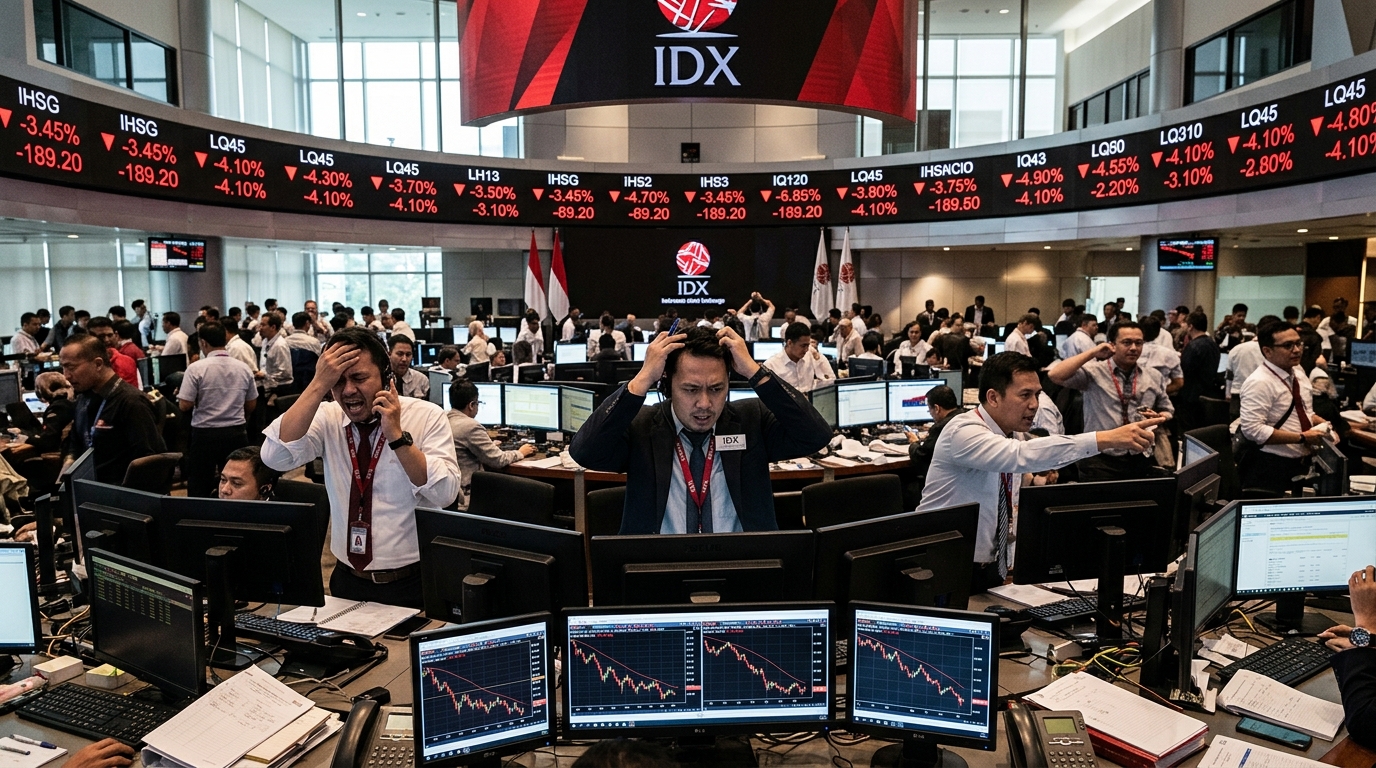
Indonesian stocks fell to a six-year low as fears mounted over a possible MSCI downgrade, according to CNBC and Investing.com reports. The slide underscores how benchmark classification and index-related concerns can become major market-moving forces for emerging economies, especially when foreign investor participation is a key part of the ownership base.
CNBC reported that Indonesian stocks had plunged to a six-year low as MSCI downgrade fears intensified. Investing.com separately highlighted the same decline in the Jakarta market, linking the move to concerns over benchmark status. With both outlets pointing to the same driver, the story stands out as one of the clearer market-structure developments in Asia today.
Why MSCI matters so much
For many global investors, MSCI index treatment has direct portfolio consequences. Large passive funds and many active managers use MSCI benchmarks to determine country allocations, risk limits and eligibility. That means even the possibility of a downgrade or adverse index treatment can trigger caution well before any formal decision is made.
In practical terms, markets often react to index concerns through three channels:
- Foreign flow risk: investors may reduce exposure if they fear lower benchmark weightings or reduced accessibility.
- Liquidity worries: a change in index standing can raise questions about trading conditions and institutional participation.
- Currency and funding spillovers: equity outflows can affect broader market sentiment toward local assets.
That helps explain why benchmark-related headlines can pressure a market even without a simultaneous deterioration in domestic economic data.
A market-structure story, not just a risk-off move
The Indonesia selloff is notable because it appears tied less to a generic global equity retreat and more to market-structure concerns. That distinction matters. When a decline is driven by benchmark access and classification fears, investors tend to focus on policy clarity, trading rules and the mechanics of market participation, rather than only on earnings or macro growth.
According to CNBC and Investing.com, downgrade concerns were central to the latest move. That suggests the market is pricing not just short-term volatility but also the risk of a more lasting shift in how international capital engages with Indonesian equities.
Regional implications
Indonesia is an important emerging-market case for investors looking at Asia outside the largest developed markets. A sharp selloff there can influence broader sentiment toward regional risk assets, particularly in markets where foreign participation and index inclusion are significant valuation supports.
The decline may also sharpen investor focus on comparative positioning across Asia. If one market faces benchmark-related uncertainty, funds may reassess where they want to take regional exposure. That can create knock-on effects for neighboring exchanges, sector allocations and currency sentiment, even when the initial issue is country-specific.
What to watch from here
Markets will likely look for clarity on several fronts:
- Any formal communication tied to MSCI concerns and whether benchmark fears are confirmed, softened or disproved.
- Local market response from regulators, exchange officials or policymakers seeking to reassure investors.
- Foreign participation trends to see whether concern turns into sustained outflows.
- Broader spillovers into the rupiah, domestic bonds and regional emerging-market sentiment.
Because this is a market-access and benchmark story, clarity itself could be important. Investors often react sharply to uncertainty around index treatment, then recalibrate once the rules and likely outcomes are better understood.
Why this matters globally
The Indonesia move is a reminder that global markets are shaped not only by growth, rates and earnings, but also by the architecture of investing itself. Index providers, benchmark methodologies and market accessibility can all influence capital flows in ways that are highly visible during periods of stress. For international portfolio managers, today’s selloff offers another example of how technical market classification issues can quickly become macro-relevant.
According to CNBC and Investing.com reports, Indonesian shares are under pressure because investors are increasingly focused on the possibility of an MSCI downgrade. Whether those fears intensify or fade, the episode is likely to keep market-structure risk in focus across emerging markets.
Neutral outlook: Near-term trading may remain sensitive to any new signals on index status, with stabilization likely to depend on clearer guidance for international investors.
MarketPro reports are AI-assisted analyses of publicly reported market news. Not investment advice.