Kalshi Push to Add Margin Trading Lifts Crypto Policy Focus
Kalshi's latest request to U.S. regulators is drawing attention well beyond the prediction-market industry, because it touches a broader question that matters across digital assets and financial innovation: how far regulators are willing to go in permitting leverage on newer market platforms.
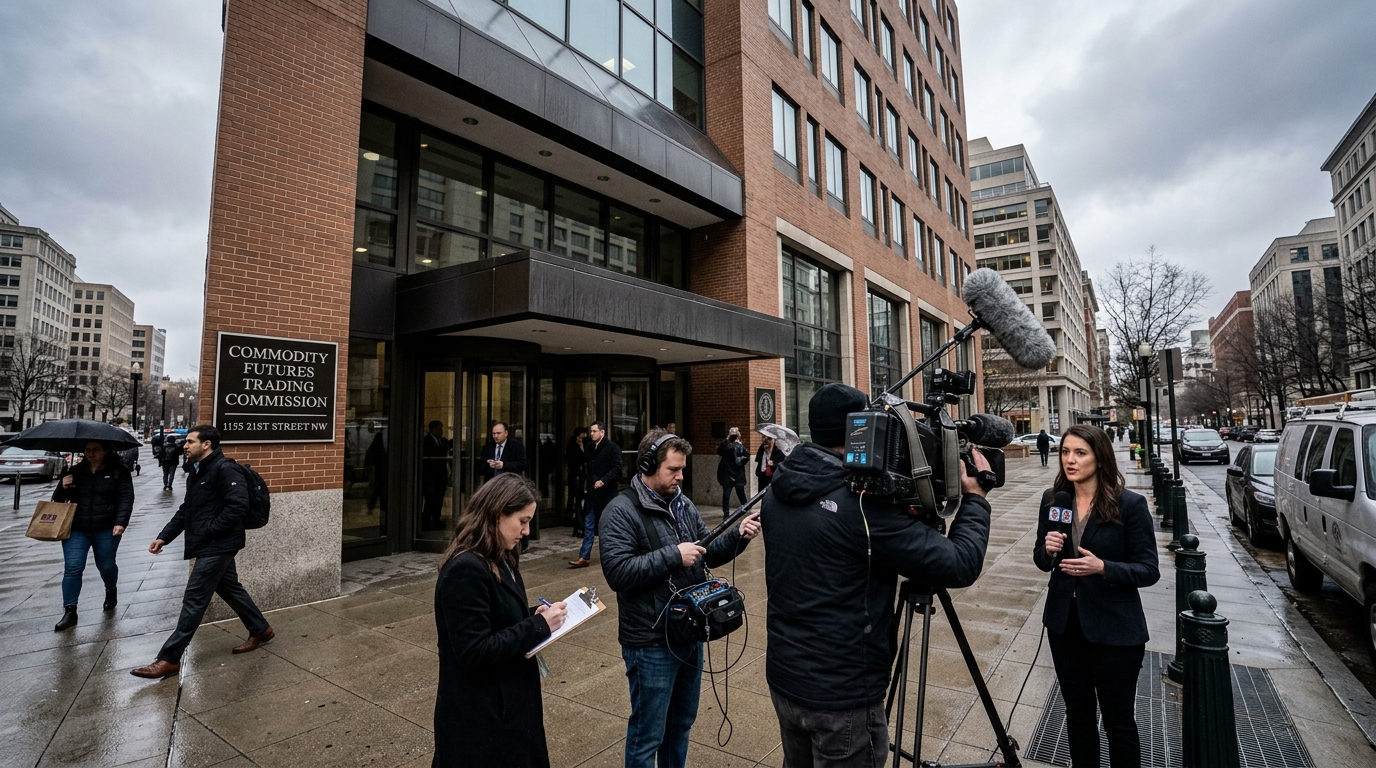
According to Yahoo Finance, Kalshi has asked the Commodity Futures Trading Commission to allow margin trading on prediction markets. A separate Yahoo Finance item reported the same development, underscoring that the company is seeking approval to expand how users can take positions on its platform.
While prediction markets are distinct from crypto exchanges, the regulatory implications overlap with debates that digital-asset firms, tokenization advocates and fintech platforms are all watching closely.
Why the request matters
Margin trading allows traders to post only part of the capital needed for a position, effectively using leverage. That can increase liquidity and participation, but it also raises the risk of amplified losses and closer regulatory scrutiny.
For Kalshi, securing permission for margin trading would mark a meaningful shift in the operating framework for regulated event contracts in the U.S. For the broader market, it would offer a signal about the CFTC's willingness to accommodate more sophisticated trading features on emerging platforms.
This matters to crypto market participants because leverage has long been one of the industry's most contested issues. U.S. regulators have repeatedly focused on whether retail users are being exposed to risks they may not fully understand, especially on products that sit near the boundary of traditional derivatives, betting and digital-native market structures.
A policy story with cross-market relevance
The headline is not simply about one company adding a feature. It sits at the intersection of several market themes:
- Market structure: Regulators are still defining how innovative trading venues should fit into existing rules.
- Retail protection: Margin access tends to trigger questions about suitability, disclosures and risk controls.
- Competition: If one regulated platform gains approval for more advanced tools, rivals may seek similar treatment.
- Crypto spillover: Any shift in the regulatory stance toward leveraged retail products could inform expectations elsewhere in digital assets.
That is one reason the development is being watched beyond prediction markets themselves. The U.S. approach to financial innovation often emerges case by case, and incremental rulings can shape the operating environment for multiple adjacent sectors.
What the CFTC angle adds
The CFTC's role is central because it oversees U.S. derivatives markets and has become one of the key agencies in debates over crypto and event-based contracts. A decision on margin for prediction markets would likely be assessed not only on market-efficiency grounds, but also through the lens of consumer safeguards and systemic discipline.
At a time when digital-asset firms continue to press for clearer rules, any sign of regulatory openness toward new trading mechanics is likely to be parsed carefully. That does not mean approval is assured or that the implications would transfer directly to crypto. But it does mean market participants are likely to view Kalshi's move as another data point in Washington's broader stance on modern trading infrastructure.
Why this is a fresh angle
The request stands apart from broader ongoing debates around prediction markets because it focuses specifically on margin trading, not simply the legality or political sensitivity of event contracts. That distinction makes it a noteworthy new development in the evolution of regulated alternative markets.
It also arrives as tokenization and digital market access continue to gain attention globally. Even where crypto is not directly involved, the same policy questions keep resurfacing: who gets access, under what safeguards, and with how much leverage.
For investors and industry operators alike, the significance lies less in immediate volume impact and more in what this says about regulatory direction.
Neutral outlook: The next step will depend on how the CFTC weighs innovation against risk controls, with any response likely to be studied closely across prediction markets, fintech and crypto-adjacent platforms.
MarketPro reports are AI-assisted analyses of publicly reported market news. Not investment advice.