Mortgage Risk-Taking Rises as Rates Push Above 7%
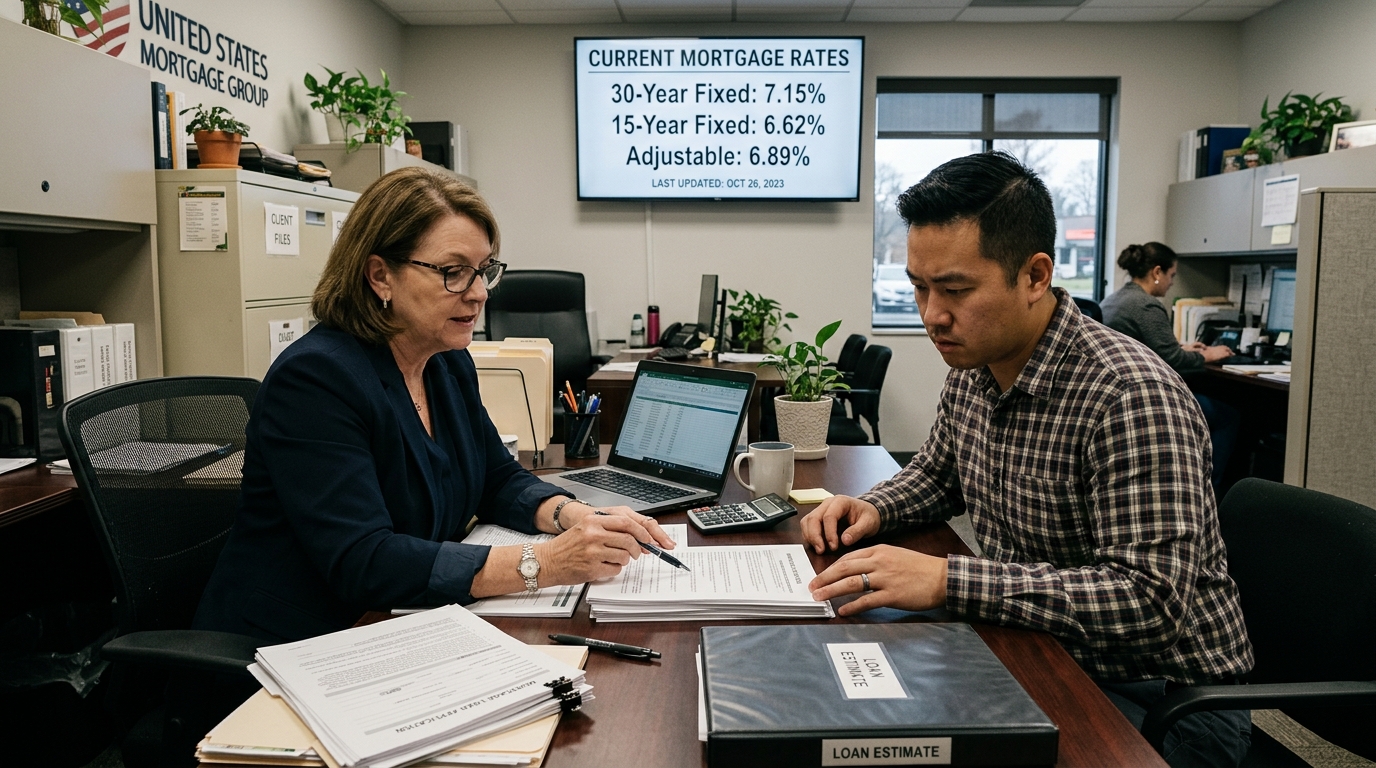
Higher borrowing costs are starting to change how some Americans finance home purchases. According to a CNBC report, nearly 10% of borrowers opted for riskier mortgage products last week as mortgage rates climbed above 7%, a sign that affordability pressure is pushing more households toward loans with features that can reduce upfront payments but raise longer-term risk.
The development matters beyond the housing sector. Mortgage choice is often one of the clearest real-time indicators of how consumers are adapting to tighter financial conditions. When rates rise sharply, borrowers tend to either step back from the market or look for structures that make monthly payments more manageable in the short term. A growing share of riskier borrowing can therefore signal deeper strain in household budgets even if homebuying activity continues.
What the shift in mortgage demand suggests
CNBC reported that the share of borrowers selecting riskier loans approached 10% last week. The headline does not detail every mortgage type involved, but the broader implication is clear: some buyers are moving away from conventional fixed-rate borrowing as elevated rates squeeze affordability.
That shift can take several forms in the mortgage market, including adjustable-rate loans or structures designed to lower initial payments. These products are not inherently problematic, but they tend to become more attractive when standard financing becomes harder to afford. In that sense, the latest move may say less about rising risk appetite and more about the stress created by higher interest costs.
The housing market has already been dealing with a prolonged affordability challenge. Higher mortgage rates increase monthly payments for new buyers, while existing homeowners with older low-rate loans are often reluctant to sell and take on more expensive financing. That dynamic can reduce supply, keep prices firm in some regions and leave first-time buyers with fewer affordable choices.
Why investors watch housing so closely
Housing is a key channel through which monetary conditions affect the broader economy. Mortgage activity influences home sales, construction demand, renovation spending and consumer confidence. When borrowers start leaning more heavily on nontraditional or higher-risk products, markets may interpret it as another sign that rate pressure is biting.
Financial stocks can also be sensitive to the trend. MarketWatch separately reported that financial shares were falling as rates rose, underscoring how investors are reassessing the impact of higher yields on the sector and on broader market conditions. While that report did not directly address the mortgage data, the two developments point to the same underlying issue: rising rates can tighten financial conditions in uneven ways, helping some lenders while increasing credit concerns elsewhere.
For policymakers, a rise in riskier mortgage usage is worth watching because it can reveal where affordability is deteriorating most quickly. It does not necessarily imply a return to the excesses of the past, but it does suggest that elevated borrowing costs are changing behavior in a meaningful way.
Implications for the housing market
If rates remain above 7%, affordability is likely to stay at the center of the housing story. That could produce several effects:
- More cautious demand: Some buyers may delay purchases rather than accept high monthly payments.
- Greater use of alternative loan structures: Borrowers seeking flexibility may continue shifting into products that lower initial costs.
- Pressure on entry-level buyers: Households with less financial cushion are often the most exposed to rate increases.
- Mixed signals for prices: Weak affordability can weigh on demand, but constrained supply may limit price declines in some markets.
The latest mortgage data therefore offers a useful snapshot of how consumers are adjusting in real time. It suggests that even without a dramatic collapse in demand, the composition of borrowing is becoming more defensive.
Why this matters now
The recent move above 7% is important not just because of the headline number, but because of the behavioral response it appears to be triggering. Rising rates do not affect all households equally. Buyers with higher incomes or larger down payments may still be able to absorb the change, while others are increasingly forced to compromise on loan structure, home size or purchase timing.
According to CNBC, that pressure is now visible in the mortgage mix itself. For markets, the trend is a reminder that the effects of higher rates are still working their way through household finance and the real economy.
Neutral outlook: If borrowing costs stay elevated, investors and policymakers will likely keep watching whether the shift toward riskier mortgages broadens further or stabilizes alongside housing demand.
MarketPro reports are AI-assisted analyses of publicly reported market news. Not investment advice.