NYSE extends options hours as 24-hour trading push widens
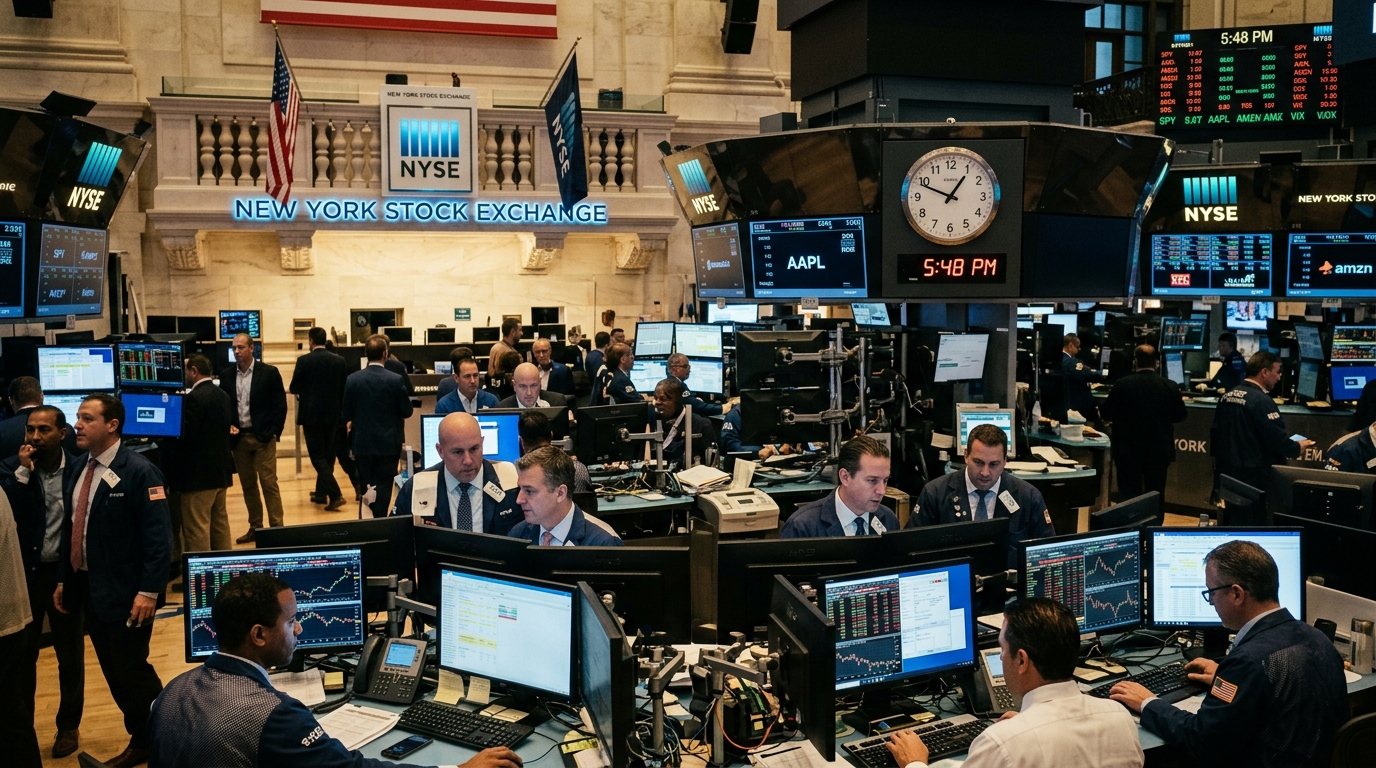
The New York Stock Exchange is joining the industry push toward longer trading access, with CNBC reporting that the exchange has become the latest venue to extend options hours as investor appetite grows for around-the-clock trading.
The move matters beyond the options market. Longer trading windows are becoming a broader market-structure theme across global finance, reflecting demand from retail traders, institutional investors and hedgers that want more flexibility outside the traditional U.S. session. According to CNBC, NYSE’s step adds to a growing shift in how exchanges are responding to investor behavior that no longer fits neatly into a single trading day.
Why extended options hours matter
Options are often used to hedge stock exposure, express views on volatility or manage risk around earnings, economic releases and geopolitical events. Extending access can give market participants more time to react when major developments break after the cash equity close or before the next opening bell.
That is especially relevant in a market environment where cross-asset moves often start outside regular U.S. hours. Currency markets, government bonds, oil and crypto all trade on schedules that stretch far beyond the New York stock session. As a result, pressure has been building on exchanges to offer products that better match the timing of global news flow.
CNBC framed NYSE’s decision as part of a wider increase in appetite for continuous trading access. That suggests the issue is not just convenience. It also reflects the way market risk now circulates through a nearly nonstop global system.
A structural change, not just a product tweak
For investors, the significance of extended options trading goes beyond a simple increase in opening hours. It points to a deeper operational shift in market design.
Exchanges, brokers and market makers have to consider how pricing, staffing, liquidity provision and technology resilience work over longer windows. In theory, more access can improve flexibility. In practice, thinner overnight conditions can also create wider spreads or uneven price discovery if participation is less robust.
That tension is central to the broader 24-hour trading debate:
- Supporters argue that longer hours better align listed markets with global capital flows and nonstop news.
- Critics caution that liquidity outside peak periods may be shallower, which can raise execution risk.
- Infrastructure providers face pressure to make systems, surveillance and risk controls work reliably over longer sessions.
CNBC’s report highlights the demand side of that equation. Investors increasingly want listed products to be available when macro shocks happen, not only when Wall Street is fully open.
Cross-asset relevance is growing
The case for longer exchange hours has strengthened as different asset classes become more intertwined. A move in Treasury yields during Asian trading, a geopolitical event in the Middle East, or a surprise company update after-hours can quickly affect equity and volatility markets.
That helps explain why options hours have become a strategic issue instead of a niche one. If investors are already trading futures, currencies or crypto nearly continuously, pressure builds for listed equity-linked instruments to offer similar flexibility.
Market structure changes also tend to spread once one major venue moves. NYSE’s decision, as described by CNBC, may therefore be watched closely by rivals, brokers and liquidity providers assessing whether extended access becomes a competitive necessity rather than a differentiator.
What markets will watch next
The immediate question is not simply whether longer hours exist, but whether they attract durable liquidity. Trading volume, spreads, market-maker participation and client adoption will likely determine how meaningful the extension becomes.
There is also a policy dimension. As exchanges move toward longer sessions, questions about investor protection, operational risk and price quality may attract more attention. Regulators and market participants alike will want to know whether broader access improves efficiency or shifts more activity into less liquid periods.
According to CNBC, investor appetite is already there. The next phase is proving that the supporting market infrastructure can keep pace.
Neutral outlook
NYSE’s move reinforces a global trend toward longer trading access, but its market impact will depend on whether liquidity and execution quality follow the extra hours.
MarketPro reports are AI-assisted analyses of publicly reported market news. Not investment advice.