JPMorgan’s defense push puts industrial policy in market focus
JPMorgan Chase’s initial defense investment push is drawing market attention because it connects private capital, industrial capacity and geopolitics in a way that increasingly shapes how investors think about the real economy.
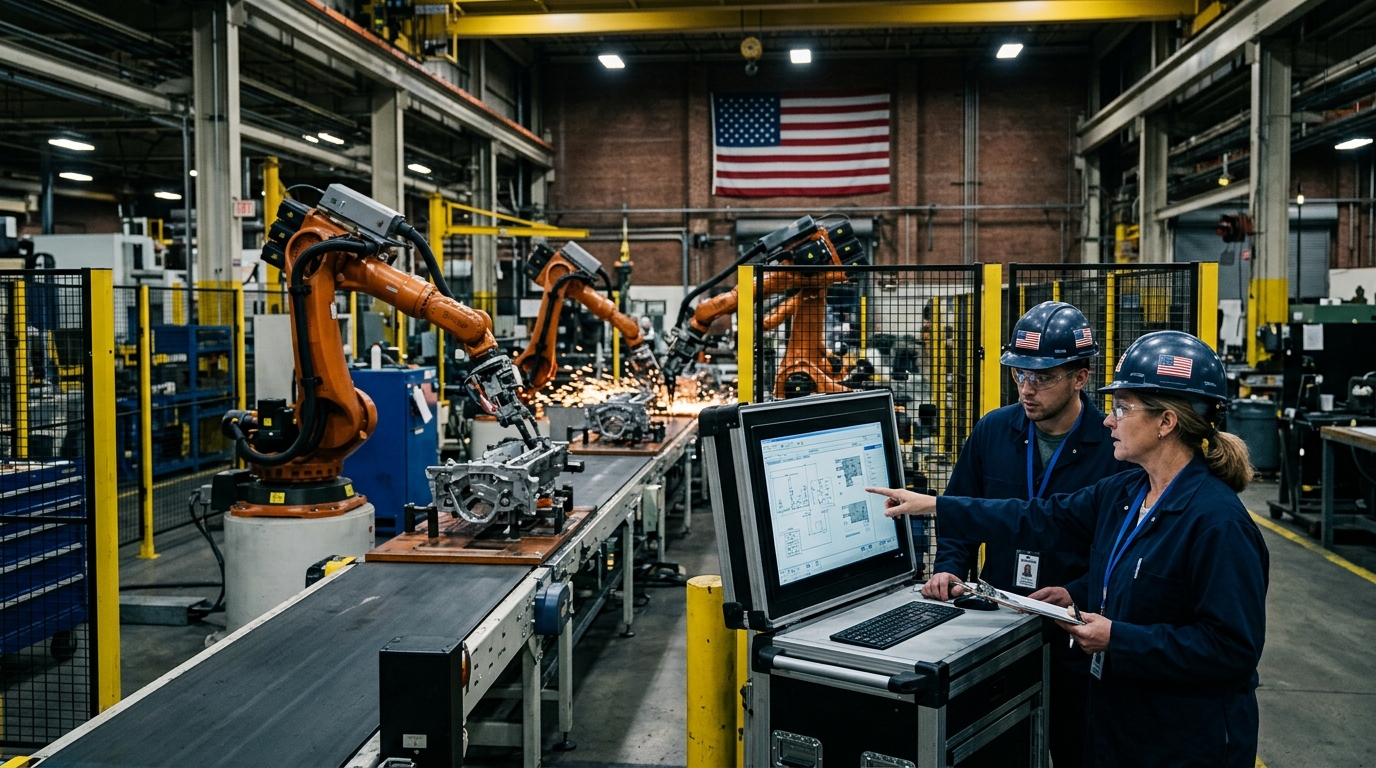
According to CNBC, JPMorgan Chase’s first $5 billion of defense investments span areas including robot factories and hypersonic missiles. While the report focused on the bank’s activity, the broader significance is that major financial institutions appear more willing to direct capital toward strategic manufacturing and national-security-linked industries.
This is not just a sector story. It also reflects a wider shift in how markets view resilience, supply chains and industrial policy after years in which technology platforms and asset-light business models dominated investor attention.
Why this stands out now
Defense and related manufacturing have moved higher on the market agenda as governments and companies respond to a more fragmented geopolitical landscape. In that environment, capital is increasingly being evaluated not only for return potential but also for its role in expanding production capacity in strategically important areas.
CNBC’s report suggests JPMorgan’s allocation is aimed at exactly that intersection: advanced manufacturing, automation and military-relevant technology. Robot factories point to the scaling of industrial output through automation, while hypersonic systems point to cutting-edge defense demand. Those themes overlap with broader policy efforts in several major economies to localize critical supply chains and strengthen domestic industrial bases.
What it says about capital allocation
Private-sector interest in defense-linked investment can carry wider economic implications. Large pools of capital flowing into manufacturing capacity may support new facilities, specialist suppliers and engineering jobs. They can also influence how other investors think about adjacent sectors such as industrial software, components, logistics and materials.
This is one reason the JPMorgan story matters beyond the defense industry itself. It indicates that parts of Wall Street may be treating strategic production as a long-duration investment theme rather than a narrow cyclical trade. That would mark a meaningful shift from the previous decade’s emphasis on consumer internet, low-rate growth assets and globally optimized production networks.
There is also a financing angle. When a major bank commits billions to a theme, it can help validate the area for co-investors, private funds and corporate partners. Even without broader deal details, the headline itself signals that defense-related industrial capacity is attracting serious institutional attention.
The market context
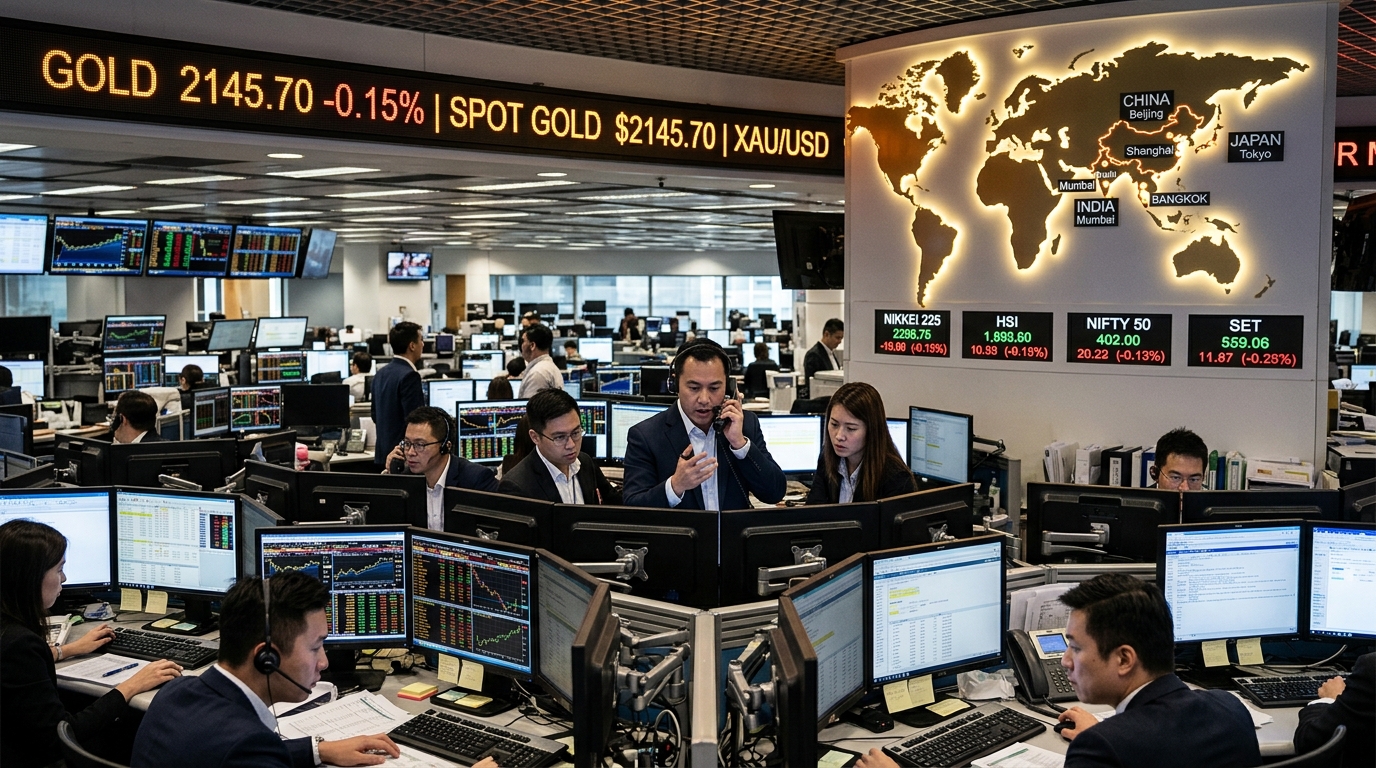
The timing is notable because markets have been grappling with higher borrowing costs, geopolitical risk and questions about which sectors can sustain investment in a less forgiving capital environment. Defense and industrial automation are often seen as comparatively durable because they can be supported by government budgets, national-security priorities and multi-year procurement cycles.
That does not make them immune to execution risk, regulation or political scrutiny. But it does help explain why they are drawing attention as investors look for themes linked to real-economy spending rather than purely financial engineering.
CNBC’s framing around robot factories is especially relevant. Automation is increasingly a bridge between labor constraints, productivity goals and strategic autonomy. If capital spending in this area rises, the effect could extend well beyond defense contractors to the wider manufacturing ecosystem.
Why investors are watching this theme
- Strategic demand: defense priorities can support spending even in uncertain growth environments.
- Industrial spillovers: automation and manufacturing investment can benefit suppliers and infrastructure.
- Policy alignment: national security goals increasingly overlap with industrial policy.
- Longer time horizon: capacity-building themes may appeal when short-term market leadership is less certain.
From geopolitical risk to industrial investment
The deeper significance of the JPMorgan move is that it translates geopolitical tension into a capital-markets story. Investors often talk about defense in terms of headlines and conflict risk. This report suggests another dimension is gaining importance: who will finance the factories, systems and technologies that governments increasingly consider essential.
That is relevant for economic coverage because it points to a changing investment map. Capital that once gravitated overwhelmingly toward digital platforms may now be spreading more decisively into physical production, advanced engineering and strategic infrastructure.
Neutral outlook: Further announcements from major banks, private funds or governments will help show whether this is an isolated allocation decision or part of a broader re-rating of defense and industrial capacity as long-term investment themes.
MarketPro reports are AI-assisted analyses of publicly reported market news. Not investment advice.