Oil flow resumes, but Gulf supply risk still clouds outlook
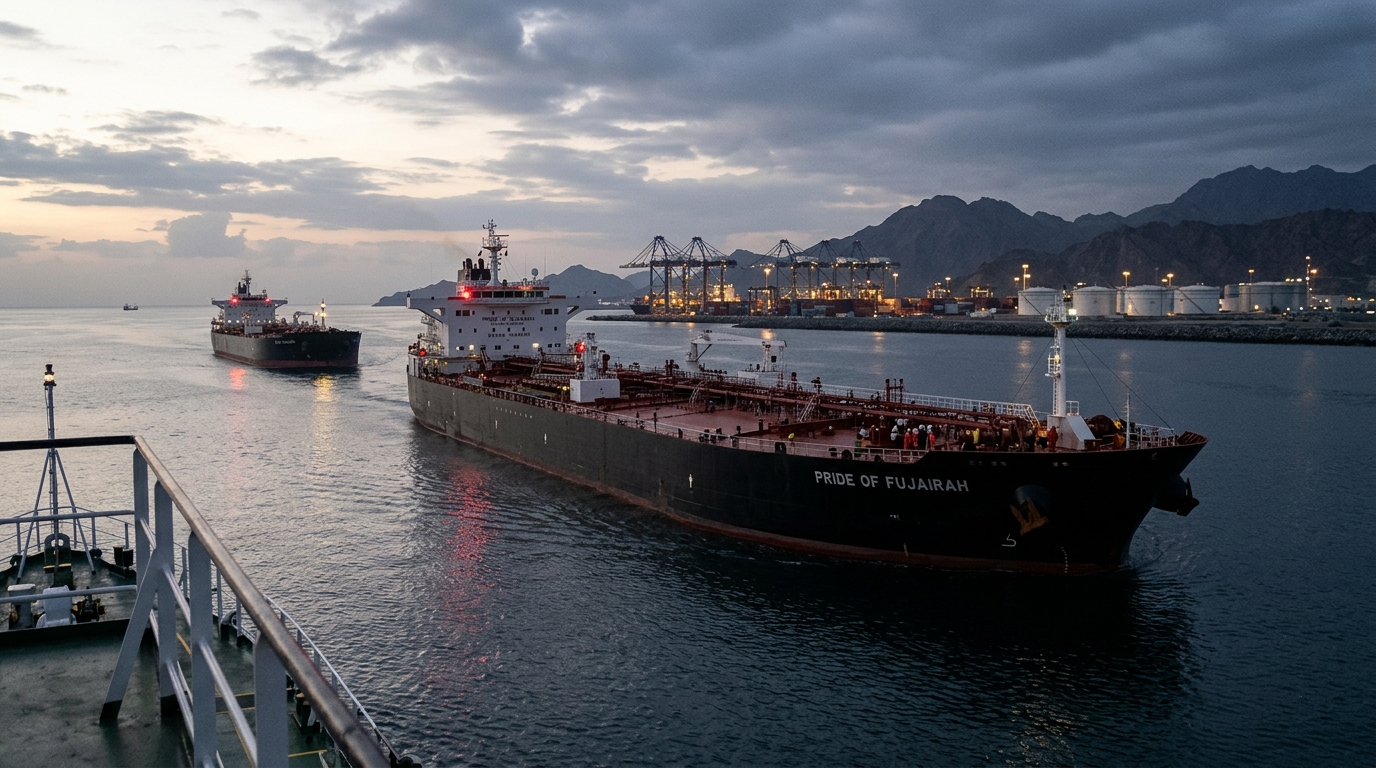
Oil markets are getting a partial operational reset, but not necessarily a pricing one. A MarketWatch report said oil is now flowing out of the Persian Gulf at rates similar to before the Iran war, a sign that a key physical trade artery has stabilized even after recent disruption.
That improvement matters for global markets because the Persian Gulf remains central to crude exports, refinery feedstock planning and inflation expectations. But a normalization in volumes does not automatically mean energy prices will fall quickly. According to the MarketWatch report, traders are still weighing reasons why prices may stay elevated despite the return of flows.
Physical supply is improving, but risk premium can linger
In commodity markets, the restoration of supply routes can remove the most acute fears around shortage. Yet pricing often reflects more than current barrels moving from one location to another. It can also embed insurance costs, shipping uncertainty, rerouting expenses and the chance of renewed disruption.
That distinction is important for investors following inflation-sensitive assets, transport costs and energy-importing economies. Even if export volumes recover, crude benchmarks may continue to reflect a geopolitical risk premium if markets believe the situation remains fragile.
The latest headlines suggest exactly that split: logistics are improving, but confidence is not fully restored. That can keep volatility elevated across oil, refined products and shipping-linked assets.
Why this matters beyond crude
Oil is not just a commodities story. It feeds into broader market pricing through inflation, bond yields and consumer spending expectations. If crude prices remain sticky despite resumed Gulf flows, central banks may get less relief from energy disinflation than some market participants had hoped.
That risk is especially relevant because higher energy costs can affect freight, aviation, manufacturing inputs and household fuel bills. In other words, even an operational recovery in one of the world’s most important export corridors may not quickly translate into easier financial conditions.
Recent reader interest on MarketPro has favored macro-first coverage that connects commodity moves to inflation and cross-asset risk. This oil story fits that pattern because it sits at the intersection of geopolitics, supply chains and monetary policy sensitivity.
Market focus shifts from outage to durability
The key question for markets now is less whether tankers are moving today and more whether the recovery can hold. A return to prewar-style flow levels indicates resilience in the physical system, but traders will likely want evidence that the route can stay open without repeated interruptions.
That means future price action may depend on whether the current stability proves durable. If not, any fresh incident could quickly reintroduce a premium into crude and fuel markets.
According to MarketWatch, the current setup helps explain why oil prices may not come down anytime soon even though exports have improved. For market participants, that is a reminder that normalization in supply data and normalization in price are often two different things.
What markets will be watching
- Shipping continuity: whether Gulf export traffic remains stable over coming sessions
- Insurance and freight costs: whether transport pricing falls back in line with lower-risk conditions
- Refined-product response: whether crude stability feeds through to fuels and industrial inputs
- Inflation expectations: whether persistent energy prices influence rate-sensitive assets
Neutral outlook: Oil flows appear to have normalized, but markets may need sustained stability before geopolitical risk fully fades from prices.
MarketPro reports are AI-assisted analyses of publicly reported market news. Not investment advice.