Oil rises after Houthi attack revives supply risk focus
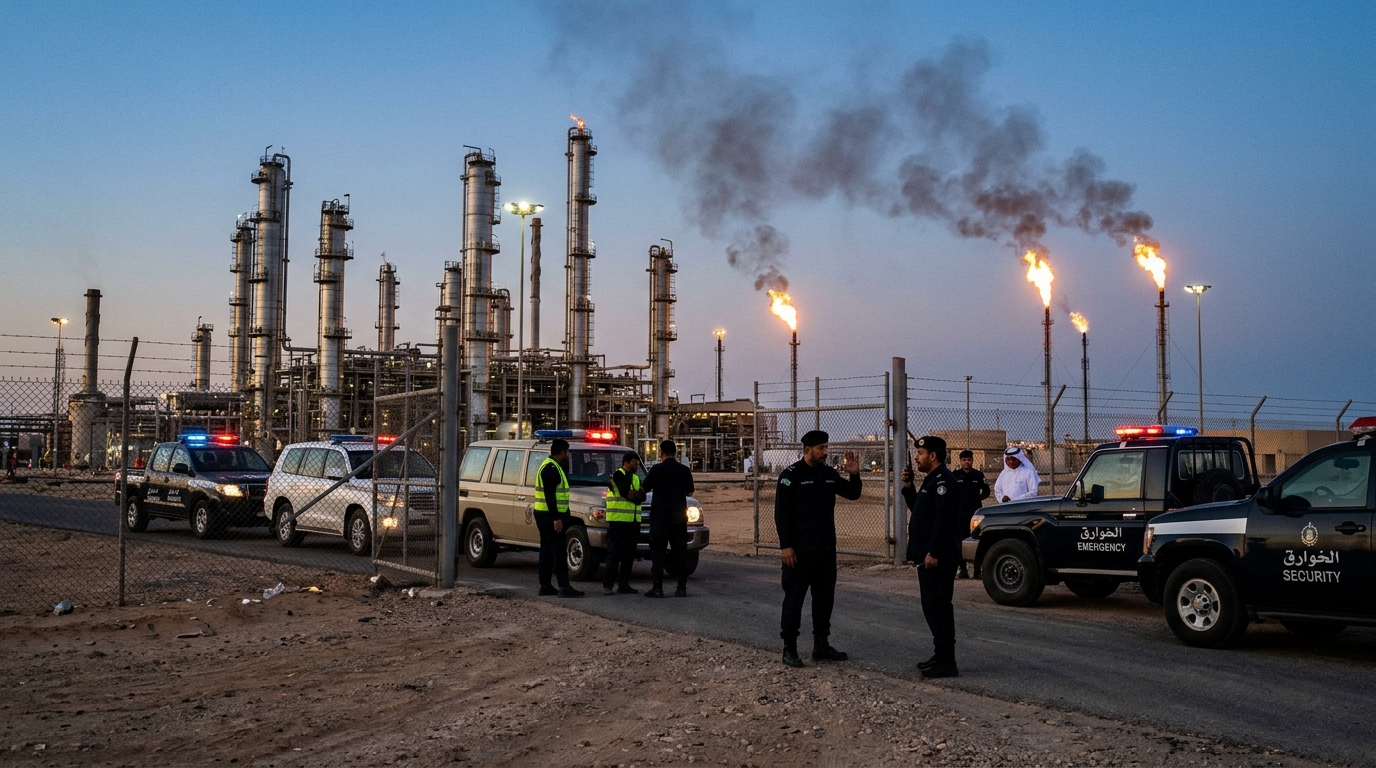
Oil moved higher after reports of a Houthi attack on a Saudi Arabian refinery renewed concerns about energy supply risk, adding a geopolitical premium back into crude markets.
According to CNBC, oil prices rose as the attack raised worries about potential disruption to supply. The headline points to a familiar market pattern: when infrastructure tied to a major oil-producing region comes under threat, traders tend to reprice near-term supply risk quickly.
Why the market reaction matters
Saudi Arabia remains central to global oil supply expectations, so any threat to refining or export-linked infrastructure can affect sentiment well beyond the region itself. Even when the immediate physical impact is still being assessed, the market often reacts to the possibility of tighter product flows, shipping uncertainty or retaliatory escalation.
This matters because crude prices are not driven only by current barrels in the market. They are also shaped by perceived resilience of supply chains, spare capacity, shipping routes and the probability of further attacks. A strike on refinery infrastructure can therefore influence both crude and refined-product pricing.
Energy risk returns to the foreground
The move is notable because it shifts attention back to geopolitical supply risk after markets had recently been focused on broader macro themes such as growth, inflation and central-bank expectations. For commodities investors, energy often becomes a cross-asset signal when supply threats emerge: higher oil can feed into inflation concerns, transport costs and risk sentiment across equities and currencies.
MarketWatch also highlighted the pressure high fuel costs can place on consumers, reporting separately that U.S. consumers are facing what it described as the most expensive year for gas prices ever. While that headline is centered on the consumer impact rather than the refinery attack itself, it reinforces the broader market relevance of any fresh upside pressure in oil.
Together, the reports suggest that energy is again operating as both a geopolitical asset and an inflation-sensitive macro variable.
What traders may watch next
The next phase for oil will likely depend on whether the incident is viewed as isolated or as part of a wider pattern of threats to regional infrastructure. Markets typically look for several follow-up indicators:
- Operational damage: whether refinery output or logistics were materially affected.
- Shipping implications: any sign of higher insurance costs or route disruptions.
- Official responses: statements from Saudi authorities or allied governments.
- Broader regional escalation: whether attacks spread to other energy assets.
If no sustained disruption emerges, part of the price move could fade. But if traders begin to price in a recurring threat to supply infrastructure, the effect may prove more durable across crude and fuel markets.
Why this story resonates beyond commodities
Reader interest on MarketPro has favored macro stories that connect multiple asset classes, and oil fits that pattern well. A rise in crude prices can influence inflation expectations, airline and transport shares, consumer spending narratives and some major currencies. It can also complicate the policy backdrop for central banks if higher energy costs begin feeding through into headline inflation.
That cross-market importance is one reason energy headlines often gain traction even when the immediate event is regional. In this case, the refinery attack is not just a local security story; it is also a reminder of how quickly geopolitical risk can alter the tone across global markets.
Neutral outlook: The immediate direction for oil now depends on whether the reported attack leads to confirmed and lasting supply disruption, or whether the market concludes the event raised risk perceptions more than it changed physical flows.
MarketPro reports are AI-assisted analyses of publicly reported market news. Not investment advice.