Oil slips as diplomacy eases immediate supply fears

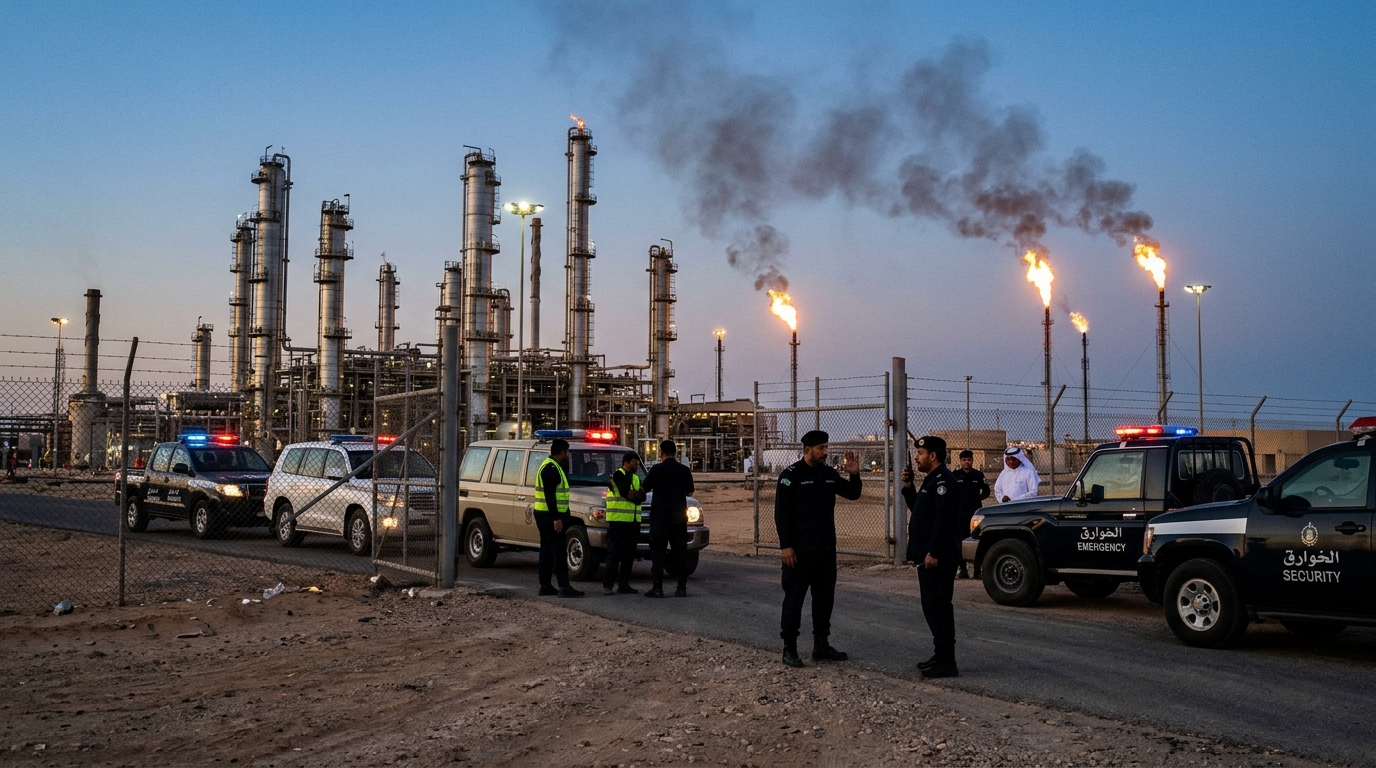
Oil prices moved lower after renewed diplomatic efforts aimed at easing conflict in the Middle East reduced immediate worries about supply disruption, according to CNBC reports. The move fits a broader market pattern in which crude reacts quickly to geopolitical risk premiums and then gives back some gains when traders see even a limited chance of de-escalation.
While the headline move was lower, the bigger market message is that energy traders remain highly sensitive to changes in the diplomatic backdrop. In periods of conflict, oil often carries an added premium tied not only to actual production losses, but also to the risk that shipping routes, export facilities or regional infrastructure could be affected. When those fears ease, even temporarily, crude can retreat.
Investing.com also highlighted a risk-sensitive market tone in its broader coverage, with investors closely watching geopolitics alongside major macro themes. That wider context matters for oil because crude is now trading not only on physical supply expectations, but also on how global investors are pricing growth, inflation and central-bank risk.
Why diplomacy matters so much for oil
The Middle East remains central to global oil pricing because it accounts for a large share of seaborne crude exports and includes several producers that are systemically important to the market. That means headlines about negotiations, ceasefire efforts or diplomatic contacts can influence futures prices before any measurable change appears in production data.
According to CNBC, the latest decline came as renewed efforts to end the regional conflict helped calm supply concerns. Even without a full resolution, diplomacy can lower the perceived probability of worst-case scenarios, and that alone may be enough to push speculative money out of crude in the short term.
For broader financial markets, cheaper oil can also affect inflation expectations. If energy prices stabilize or fall, that may reduce pressure on transport, manufacturing and consumer fuel costs. That does not guarantee a lasting inflation shift, but it is one reason oil remains closely watched well beyond commodity desks.
What traders are weighing now
At this stage, the market appears to be balancing two competing forces:
- Geopolitical easing: Diplomatic activity can reduce the immediate risk premium in crude prices.
- Underlying fragility: Any setback in talks or escalation on the ground could quickly reverse the move.
That tension helps explain why oil markets can swing sharply on relatively small headline changes. The issue is not only current supply, but whether traders believe supply could be threatened next week or next month.
There is also a second layer to the story: global demand expectations. If investors become more cautious about economic growth, that can amplify downside pressure on oil. Conversely, if growth remains resilient, any easing in geopolitical fears may produce only limited declines because demand expectations continue to support prices.
Why this matters beyond energy markets
Oil remains one of the most important cross-asset signals in global markets. Falling crude prices can influence:
- Inflation-sensitive assets, including government bonds and currencies
- Energy equities, particularly major producers and oil-service companies
- Import-dependent economies, which can benefit from lower fuel costs
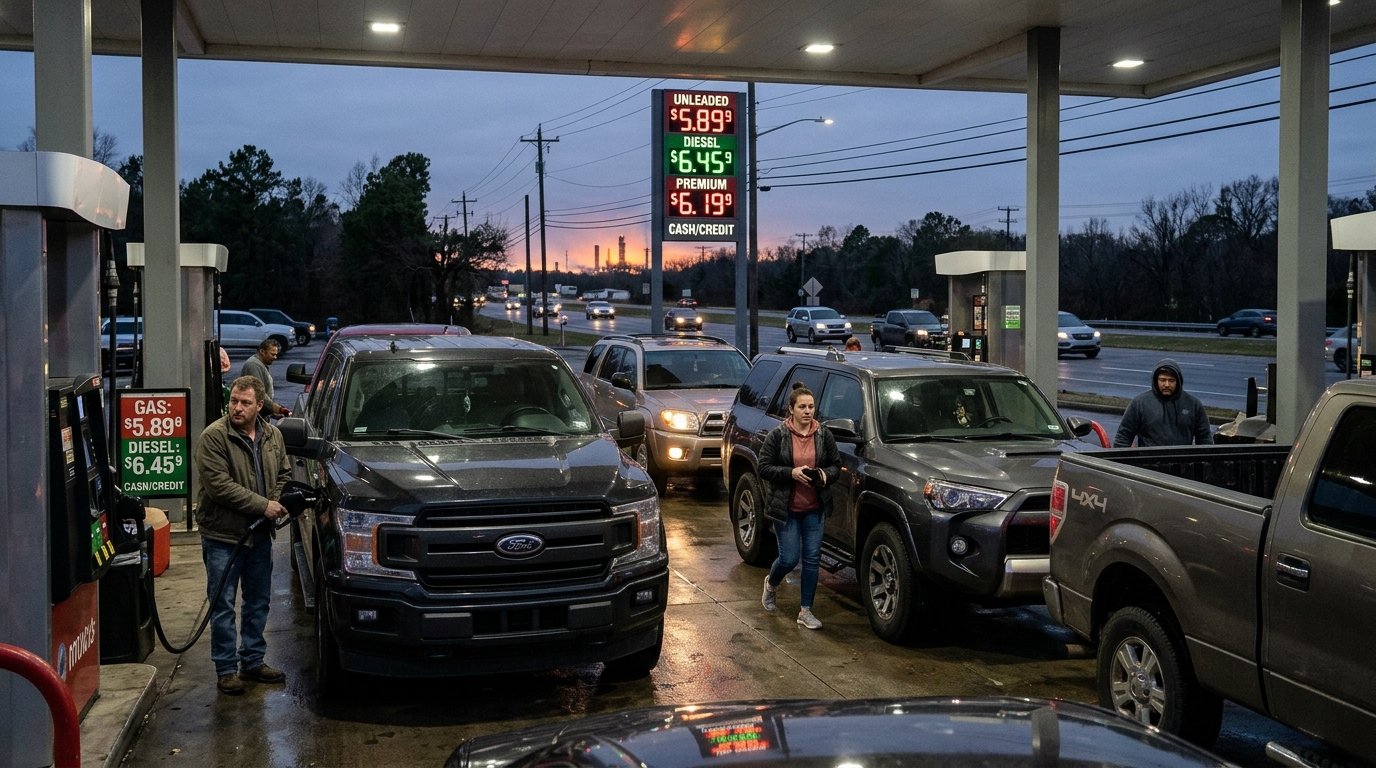
- Consumer sentiment, especially where gasoline prices are politically and economically sensitive
For policymakers, a sustained retreat in oil would be easier to absorb than another geopolitical spike. For investors, however, the latest move does not necessarily signal that energy risk has disappeared. It may simply show that the market is repricing the odds of disruption.
Another point worth noting is that geopolitical oil moves often happen faster than official supply data can confirm. In that sense, price action itself becomes a real-time gauge of market confidence. A drop tied to diplomacy suggests traders currently see less need to pay a premium for immediate regional risk.
Short neutral outlook
The latest decline suggests markets are giving renewed diplomacy some credibility, according to CNBC. Still, oil is likely to remain headline-driven as long as Middle East tensions persist, with prices vulnerable to both further easing and sudden reversals.
MarketPro reports are AI-assisted analyses of publicly reported market news. Not investment advice.