Oil jumps as Iran strike reports revive supply risk

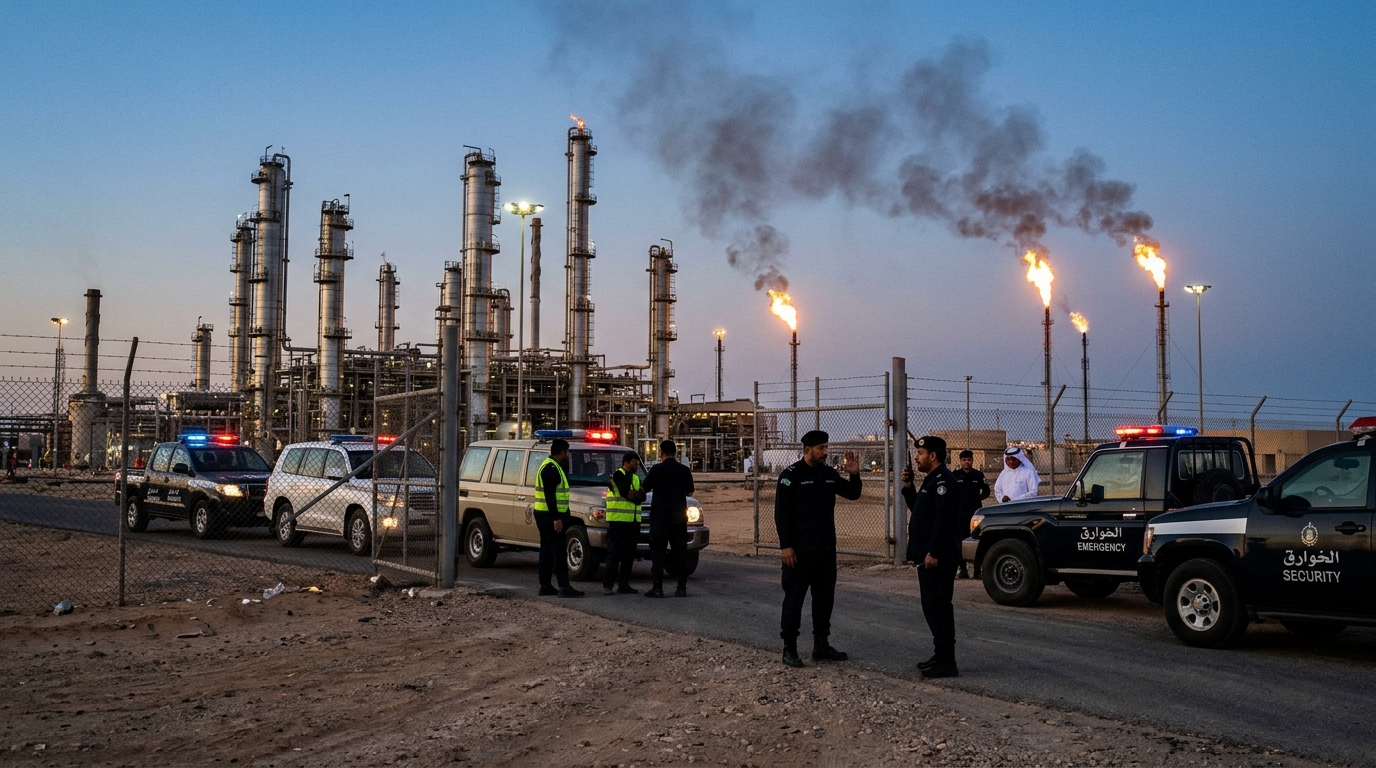
Oil prices moved higher after a fresh wave of headlines revived market concern over the risk of disruption linked to Iran and the wider Middle East. According to CNBC, crude rose as the U.S. and Israel reportedly weighed fresh strikes involving Iran. A separate CNBC headline said the U.S. was pulling diplomats from Saudi Arabia as it reportedly prepared Iran strikes after the midterms, adding to the sense that geopolitical tension is feeding directly into energy pricing.
MarketWatch also highlighted the oil angle, reporting that crude from the Persian Gulf is still flowing as before the Iran war, but warning that prices may not come down quickly. Taken together, the reports support a clear market narrative: physical exports may be continuing, but traders are assigning a higher risk premium to the possibility of future disruption.
Why the market reacted
Oil tends to respond not only to actual supply losses but also to the possibility that key transport routes or producing assets could be threatened. The Persian Gulf and the Strait of Hormuz remain central to that calculation. Even when barrels keep moving, any suggestion of escalating military action can prompt buyers and speculative traders to push prices higher.
That appears to be the dynamic in today’s move. CNBC framed the rise around worries that Washington and Jerusalem could be considering new action tied to Iran. MarketWatch, meanwhile, emphasized that resumed flows do not automatically remove the geopolitical premium embedded in crude prices.
For markets, that distinction matters. A return to normal shipping patterns can ease the most extreme fears, but it does not fully resolve questions around insurance costs, transport security, shipping delays and the possibility of retaliation that could affect regional infrastructure.
What this means beyond crude
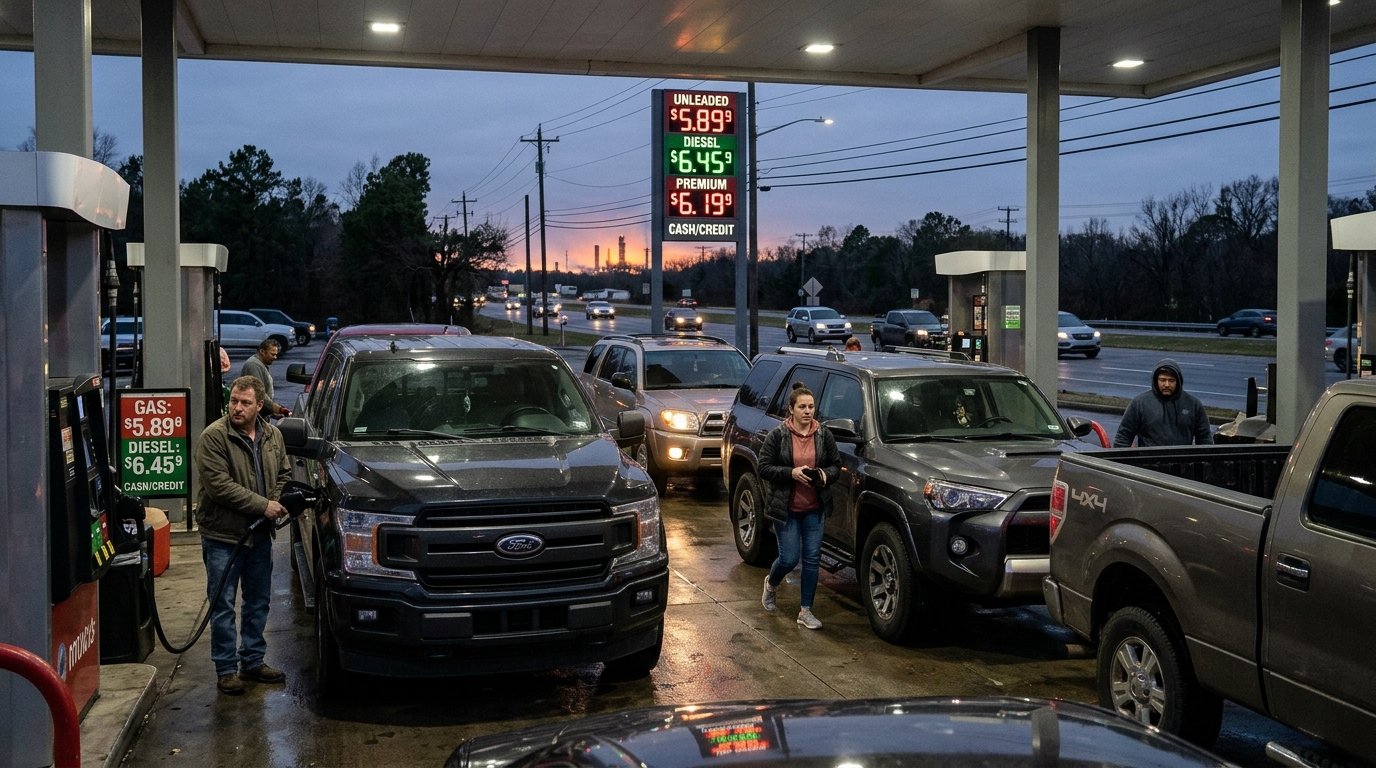
The oil move matters well beyond the commodities complex. Higher crude prices can quickly spill into inflation expectations, transport costs and broader risk sentiment. That is especially relevant at a time when central banks remain sensitive to inflation surprises and when investors are already tracking rates, housing and global growth for signs of stress.
Energy-sensitive sectors may also remain in focus. Airlines, chemicals manufacturers and other fuel-intensive industries often come under pressure when oil rises sharply on geopolitical news. By contrast, producers and oil-linked service companies can draw renewed investor attention during periods of tightening supply risk.
The headline risk can also affect currencies, bond markets and equities. A sustained rise in oil prices may support some commodity-linked currencies while weighing on import-dependent economies. It can also complicate the policy backdrop for central banks if energy costs begin feeding into wider price pressures.
Flows are steady, but the risk premium remains
One key takeaway from the combined CNBC and MarketWatch reporting is that current supply conditions and forward-looking pricing are telling slightly different stories. On one hand, MarketWatch said oil is flowing out of the Persian Gulf much as it was before the Iran war. On the other, the market is still reluctant to fully price out the chance of another shock.
That gap between current physical reality and future market risk is often where volatility persists. Traders are effectively balancing two facts:
- Near-term exports appear intact, reducing the odds of an immediate supply shortfall.
- Military and diplomatic headlines remain unstable, keeping the market alert to rapid changes.
As long as both conditions hold, oil may remain highly reactive to incremental news from the region.
Why readers should watch the next signals
The next phase for oil is likely to depend less on broad commentary and more on whether reports of possible strikes turn into confirmed action, further diplomatic withdrawals, or new signs of disruption to shipping and production. Markets will also be watching whether major consuming countries or producers comment publicly on supply stability.
For now, the reporting from CNBC and MarketWatch points to a market that is not pricing a full-scale supply collapse, but is also not willing to assume the risk has passed. That keeps crude sensitive to every development tied to Iran, regional security and export routes.
Neutral outlook: Oil’s latest move reflects a renewed geopolitical premium rather than confirmed large-scale supply loss. Unless tensions clearly ease, crude is likely to remain driven by headlines from the Middle East.
MarketPro reports are AI-assisted analyses of publicly reported market news. Not investment advice.