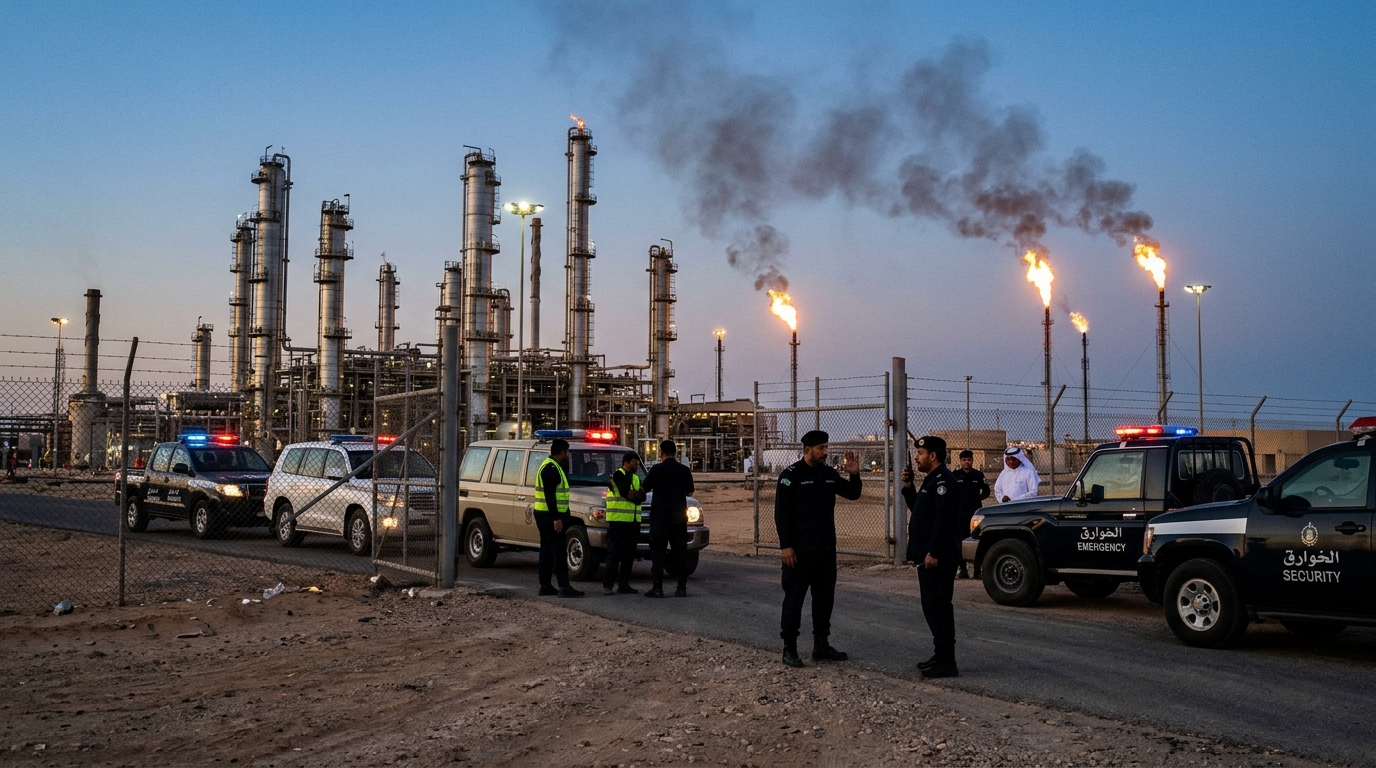
Oil Risk Returns as Houthi Threats Revive Market Jitters
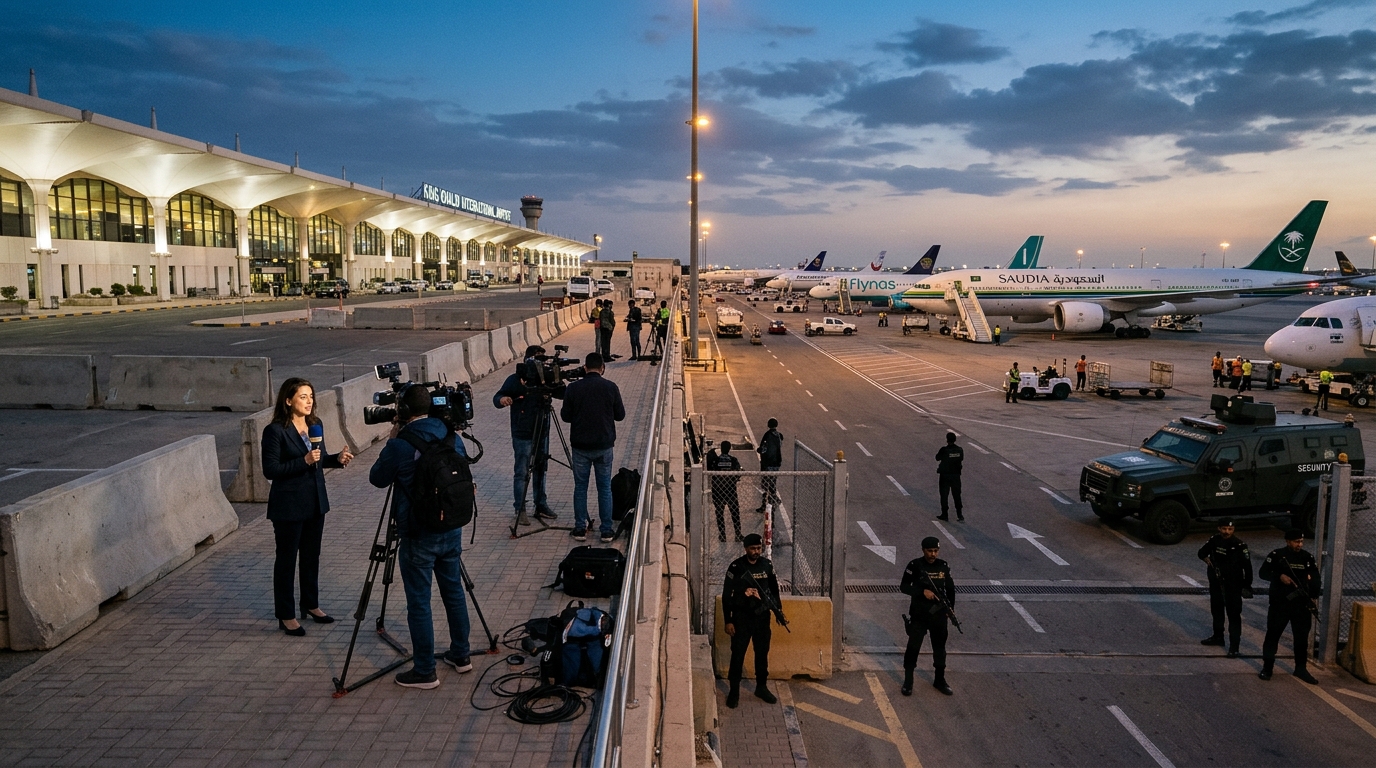
Oil markets are once again being forced to account for geopolitical risk after renewed threats from Yemen’s Houthis against Riyadh airport. While there is no headline indicating a confirmed disruption to supply, the development adds to a broader atmosphere of caution that has already helped keep crude prices elevated.
According to Investing.com, the Houthis renewed a threat against Riyadh airport as flights are set to resume. In parallel, Cointelegraph reported that Brent crude oil hit its highest level since March. Taken together, those headlines suggest that traders are still assigning a meaningful risk premium to energy markets amid regional uncertainty.
Airports are not oil infrastructure, but threats to major transport hubs in Saudi Arabia can still matter for commodities. They can alter perceptions of regional stability, raise concern about escalation and increase sensitivity to any future headlines involving logistics, infrastructure or security in the Gulf.
Why the market is paying attention
Saudi Arabia remains central to global energy markets, so any threat linked to the kingdom tends to draw outsized attention from traders. Even when there is no immediate impact on exports, headlines involving Saudi assets can influence positioning because they raise the possibility of wider disruption.
This helps explain why oil can react to security developments that are not directly tied to pipelines or production sites. Markets often move on changing probabilities rather than confirmed damage. When geopolitical conditions appear less predictable, crude prices can reflect that uncertainty through a higher embedded premium.
The latest threat therefore matters less for what has already happened and more for what it implies about the regional risk environment.
Brent’s rise signals broader sensitivity
Cointelegraph’s report that Brent reached its highest level since March is notable because it places current geopolitical developments into a wider pricing context. Higher crude prices can feed quickly into inflation expectations, transport costs and sentiment across asset classes.
That is one reason oil often becomes a focal point for investors well beyond the energy sector. Currency markets may react through support for traditional safe havens, while equities can become more selective if rising energy costs are seen as a pressure on margins or consumers.
The move in Brent also comes amid broader market unease tied to China’s growth outlook and pressure in some AI-linked equities, creating a backdrop in which geopolitical stress may have an even larger effect on risk sentiment.
No confirmed disruption, but little room for complacency
It is important to distinguish between threats and realized supply losses. The headlines provided do not indicate that Saudi oil flows have been interrupted. But markets do not need a confirmed outage to become more defensive. When tensions rise in a strategically important region, traders may reduce risk or pay more for protection.
That dynamic can keep oil supported even if physical fundamentals are unchanged in the near term. It can also create abrupt reactions to follow-up headlines, especially if they involve infrastructure, transport routes or military escalation.
What to watch from here
- Saudi security headlines: any sign of escalation could reinforce the current oil risk premium.
- Brent price behavior: traders will watch whether prices hold near recent highs or fade if tensions ease.
- Cross-asset spillover: higher crude can influence inflation expectations, currencies and broader equity sentiment.
- Regional transport stability: headlines involving airports, shipping lanes or other logistics nodes may remain market-sensitive.
Neutral outlook: Oil markets appear likely to stay highly reactive to Middle East security developments, with Brent’s recent strength showing that geopolitical headlines are again a key driver of commodity sentiment.
MarketPro reports are AI-assisted analyses of publicly reported market news. Not investment advice.