Putin relays Iran war proposal to Trump, raising oil risk
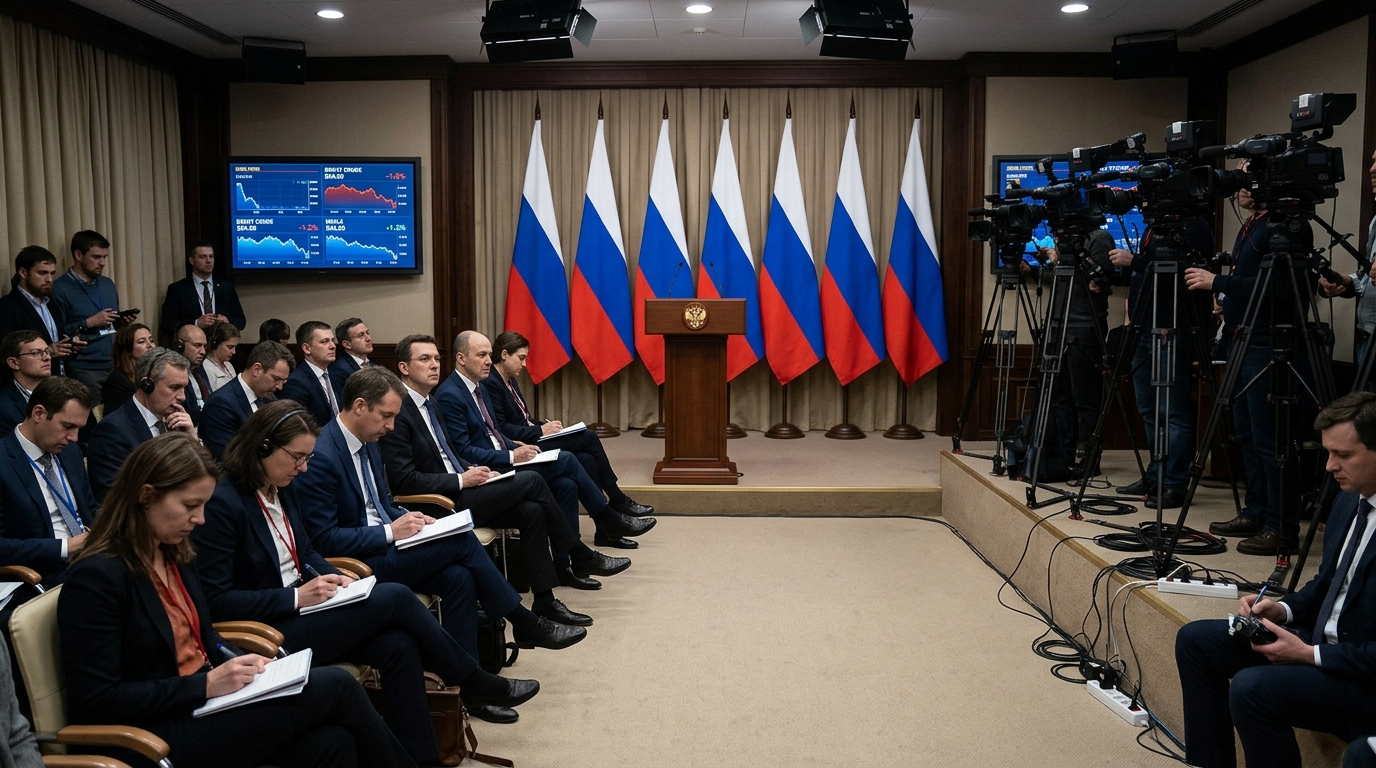
Oil traders and sanctions watchers have a new geopolitical headline to digest after the Kremlin said Russian President Vladimir Putin relayed a proposal related to Iran and war to former U.S. President Donald Trump, according to CNBC.
At this stage, the market significance lies less in any verified policy shift and more in the fact that Russia, Iran and U.S. politics are again intersecting in public messaging. For energy markets, that combination matters because changes in the tone around Iran can quickly affect expectations for sanctions enforcement, crude supply flows and regional security risk.
Why the headline matters for commodities
Iran remains a major variable in global oil balances. Any signal touching on conflict, diplomacy or sanctions can alter how traders think about future barrels reaching the market. Russia’s role also matters because Moscow is both a major energy exporter and an important geopolitical player in the Middle East.
According to the CNBC report, the Kremlin presented the development as a proposal relayed by Putin to Trump. Without confirmed details from additional official parties in the headline set provided today, it would be premature to treat the proposal as a concrete diplomatic initiative or a likely policy change. Still, commodities markets routinely respond to early geopolitical signals well before formal decisions are made.
That sensitivity is especially pronounced when Iran is involved. Oil prices often incorporate a geopolitical premium when traders fear disruptions to shipping routes, tighter sanctions, retaliatory actions or a broader regional escalation.
Sanctions and enforcement remain the core market channel
The key transmission mechanism to markets is sanctions. If rhetoric around Iran hardens, investors may anticipate tougher enforcement against crude exports, shipping networks or related financial flows. If rhetoric softens, the market may begin to consider whether enforcement risks could ease over time.
Another CNBC headline in today’s wire package underscores how quickly Russia-related policy questions can become legally and commercially complex: CNBC also reported on criticism that a separate Trump diesel agreement with Putin may contradict Russia sanctions law. Taken together, the two headlines show that traders are looking not only at battlefield risk but also at the legal architecture governing energy trade.
For oil, those legal details matter as much as military ones. Supply can be constrained not only by physical disruption but also by payment restrictions, shipping insurance limits, port access rules and secondary-sanctions risk.
What the market can and cannot conclude yet
There are several things markets can reasonably take from the Kremlin’s statement. First, Iran remains central to global geopolitical risk pricing. Second, Russia is signaling active engagement on the issue. Third, U.S. political figures continue to be drawn into energy-sensitive foreign policy debates.
But there is also a long list of unknowns. The exact contents of the proposal are unclear from the available headline. There is no confirmation in the provided wire set from Washington, Tehran or an independent multilateral body. And there is no direct evidence yet of a change in sanctions policy, oil production or shipping conditions.
That means the immediate market effect is likely to center on risk sentiment rather than fundamentals. Traders may assign a somewhat higher probability to future volatility in crude benchmarks, refined products and freight markets, but not necessarily to an imminent supply shock.
Broader implications for energy markets
Even when there is no instant policy follow-through, geopolitical headlines can influence hedging behavior across the energy complex. Refiners, airlines, shipping firms and commodity funds all monitor developments involving Iran because the consequences can spread far beyond crude itself.
Natural gas sentiment, tanker rates and refined fuel pricing can all react when the market perceives elevated tension in the Middle East. If future reporting adds details on the proposal or prompts responses from U.S. or Iranian officials, the focus would likely turn to whether any pathway exists that changes the sanctions outlook.
- Near-term market focus: whether more governments confirm or clarify the proposal.
- Oil-specific focus: any sign of altered sanctions enforcement or export disruption.
- Broader risk focus: whether the headline contributes to a higher geopolitical premium across energy markets.
According to CNBC, the development is significant enough to put Iran, Russia and U.S. political signaling back on the commodity market’s radar. The neutral outlook for now is that traders have a new risk marker, but not yet a confirmed change in oil fundamentals.
MarketPro reports are AI-assisted analyses of publicly reported market news. Not investment advice.