Hurricane Isaias Puts Gulf Oil and Fuel Supply in Focus
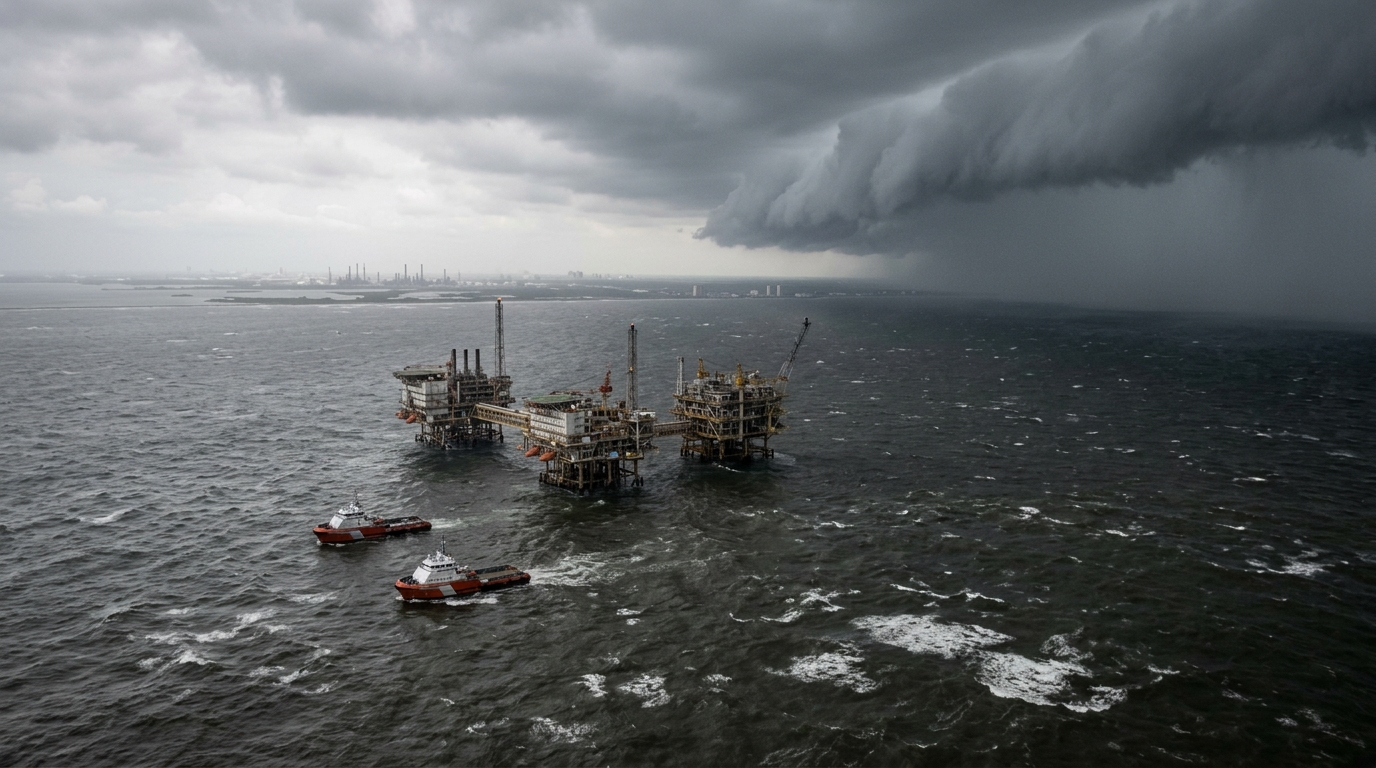
Hurricane Isaias is emerging as a fresh risk for U.S. energy markets, with reports from CNBC and MarketWatch indicating the storm is disrupting oil production in the Gulf of Mexico and threatening refinery operations along the Gulf Coast.
The twin risk matters because the Gulf is central to both upstream oil output and downstream fuel processing. According to CNBC, offshore production has been disrupted as operators respond to the storm, while MarketWatch said Isaias could "stress test" oil markets that were already dealing with tight fuel supplies.
Why the storm matters for oil markets
Weather events in the Gulf can hit energy markets through two separate channels. First, producers may shut in offshore output or evacuate workers from platforms, reducing near-term crude supply. Second, refineries can curb runs or temporarily halt operations to protect facilities and workers, disrupting the conversion of crude into gasoline, diesel and other fuels.
When both channels are at risk at the same time, market effects can become more complicated than a simple bullish or bearish move for crude. A production outage can support crude prices by constraining supply, but refinery disruptions can also weaken crude demand locally while tightening refined-product markets.
That is why traders will likely focus not only on offshore output losses but also on whether refineries face prolonged interruptions. CNBC highlighted the threat to refining operations, while MarketWatch framed the storm as a test for fuel markets already under strain.
Tight fuel supplies raise the stakes
The broader context is important. MarketWatch's headline suggests U.S. fuel supplies were already relatively tight before the storm approached. In that setting, even temporary refinery disruptions can have an outsized effect on gasoline and diesel balances, especially if logistics are slowed by port closures, shipping delays or precautionary shutdowns across the Gulf Coast.
For investors and companies across the energy chain, the key issue is not only how many barrels of crude are lost offshore, but where the disruption lands. Refining outages can ripple into wholesale fuel pricing, transport costs and margins for downstream operators.
This dynamic can also create uneven effects within the energy complex. Producers, refiners, fuel distributors and airlines do not all face the same exposure when storms hit. The market often reassesses those differences in real time as updated weather tracks and operating statements emerge.
What markets will watch next
- Offshore production status: whether shut-ins expand or begin to reverse
- Refinery operations: any shutdowns, run cuts or restart timelines along the Gulf Coast
- Fuel logistics: impacts on ports, pipelines and product shipments
- Product spreads: whether gasoline and diesel markets tighten faster than crude
Because the headlines from CNBC and MarketWatch point to both supply disruption and refinery risk, the market response may be driven less by headline crude moves and more by how refined-product balances evolve over the next several sessions.
A broader reminder for commodity markets
Isaias also underlines how sensitive commodity markets remain to physical disruptions even when macro themes dominate broader trading. Weather risk can quickly override bigger narratives, particularly in sectors such as energy where infrastructure is concentrated in specific regions.
For the U.S. oil market, the Gulf Coast remains one of those choke points. Storm-related interruptions there can affect everything from offshore production and refinery throughput to export flows and fuel availability.
According to CNBC and MarketWatch reports, Hurricane Isaias is now forcing market participants to weigh all of those risks at once. The short-term outlook is neutral but highly event-driven, with price direction likely to depend on the scale and duration of operational outages rather than the storm headline alone.
MarketPro reports are AI-assisted analyses of publicly reported market news. Not investment advice.