India’s AI push faces local resistance as growth bets build
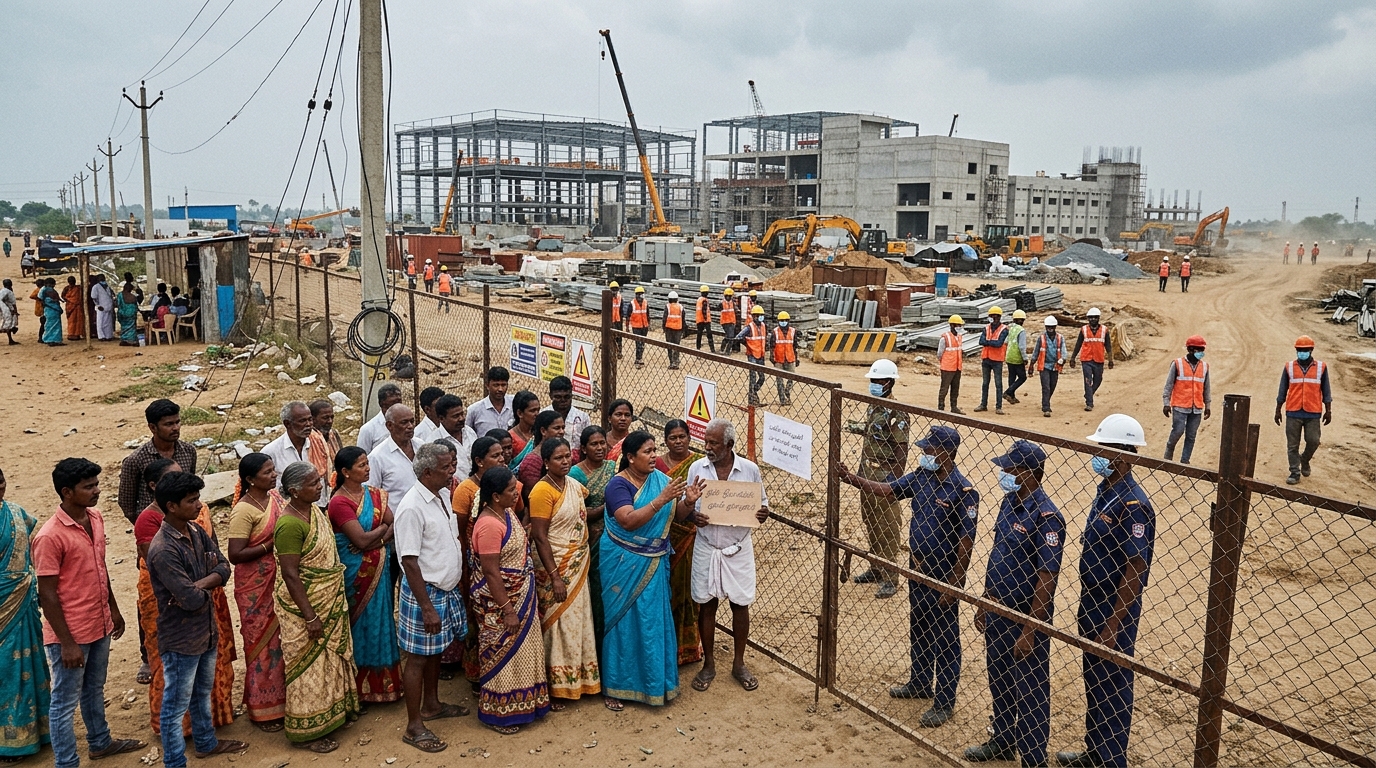
India’s ambition to become a major force in artificial intelligence is running into local pushback, according to an Investing.com report. The headline captures an increasingly important market tension: governments and companies may be eager to expand AI capacity, but the physical build-out needed to support that growth can trigger resistance on the ground.
The story is timely because global markets are focusing heavily on the infrastructure behind AI, not just on software demand or chip supply. Data centers, power access, land use and local permitting are becoming central to the investment case. In India’s case, that means the AI opportunity is also an infrastructure and governance story.
Why local resistance matters for investors
When policymakers say they want to power the AI age, markets often hear a straightforward growth narrative: more digital infrastructure, rising enterprise adoption and stronger positioning in global technology supply chains. But project execution can be slower and more uneven than headline ambitions suggest.
According to Investing.com, residents are pushing back against parts of that expansion drive. The headline does not specify the exact projects, regions or communities involved, so it would be wrong to infer more than that. Even so, the core market implication is clear: resistance at the local level can affect timelines, costs and confidence around AI-linked infrastructure investment.
This matters in India because the country is frequently presented as both a demand center and a production base for the next wave of digital services. If AI growth requires more power-intensive facilities, network build-out and land acquisition, then the pace of deployment may depend as much on social acceptance and local coordination as on national policy support.
Part of a wider global AI infrastructure theme
The India headline sits within a broader AI market narrative visible elsewhere on today’s wire. CNBC reported that Nvidia-backed Australian AI firm Firmus withdrew its IPO, citing market volatility. Investing.com also highlighted that Tata Consultancy Services shares rose as AI revenue helped offset sluggish growth. Taken together, those separate stories suggest investors are increasingly distinguishing between AI excitement at the strategic level and execution risk at the company or project level.
India’s situation adds another layer to that distinction. Even if demand for AI services grows, the companies building the underlying physical and digital ecosystem may still face bottlenecks. Those can include energy supply, water use, permitting, labor issues and community concerns. The result is that not all AI exposure is equal: software monetization, services exports and infrastructure deployment each carry different risk profiles.
Policy ambition versus ground-level constraints
For governments, AI is often framed as a competitiveness imperative. India has strong reasons to pursue that agenda, including digital scale, a large technology workforce and strategic interest in moving up the value chain. But large development pushes can create friction when residents believe projects will strain local resources or alter communities without enough benefit-sharing.
That gap between national strategy and local experience is not unique to India. Around the world, infrastructure tied to energy transition, logistics or digital capacity can face similar resistance. What makes AI different is that investor narratives sometimes understate the physical footprint behind the technology. Large-scale AI deployment needs electricity, land, cooling and connectivity. Those needs can turn abstract growth stories into real-world political and social negotiations.
What to watch next
With only the headline available, the immediate takeaway is not that India’s AI plans are derailed, but that implementation risk deserves more attention. Markets will likely watch for several follow-up signals:
- Project-specific developments: whether resistance is isolated or affects multiple AI-related sites.
- Government response: how authorities balance development goals with local concerns.
- Infrastructure readiness: whether power and site constraints begin to affect broader AI investment timelines.
- Corporate positioning: whether companies shift toward lower-footprint AI strategies or more distributed infrastructure models.
For the wider market, India remains an important AI growth story. But this headline is a reminder that scaling AI is not only about capital spending plans or policy speeches. It also depends on whether projects can secure durable support where they are actually being built.
Neutral outlook: India’s AI opportunity remains significant, but local resistance shows that infrastructure execution and community acceptance may become increasingly important variables for investors tracking the country’s technology expansion.
MarketPro reports are AI-assisted analyses of publicly reported market news. Not investment advice.