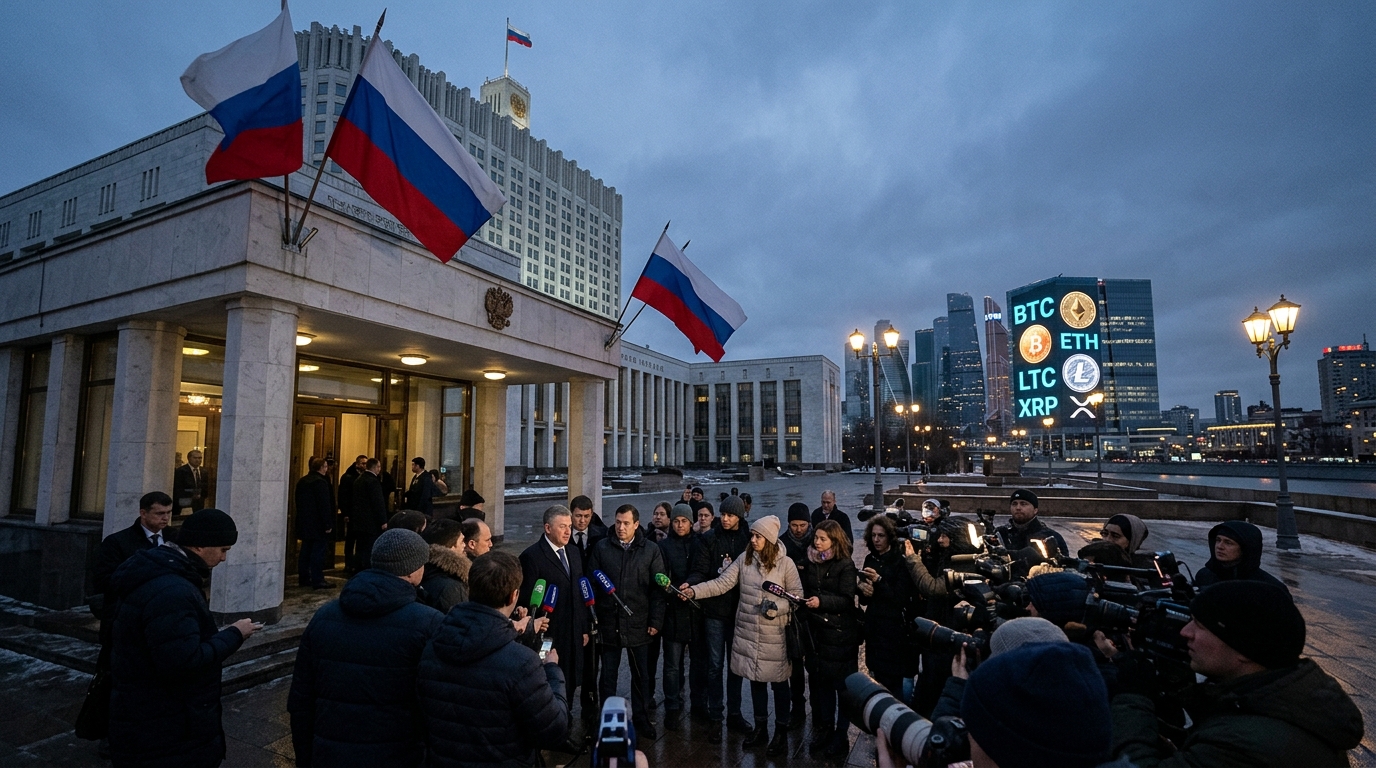
Thailand moves closer to spot Bitcoin and Ether ETFs

Thailand has taken a notable step toward broadening regulated crypto investment products after finalizing rules that pave the way for Bitcoin and Ether exchange-traded funds, according to Cointelegraph. The development matters beyond the local market because it adds to evidence that parts of Asia are still moving to formalize investor access to digital assets even as regulators globally remain focused on risk controls.
The headline does not provide a launch date, product count or expected asset size, so those details remain unclear. What is supported is the direction of travel: Thailand is putting a formal rule framework in place that could allow spot-style Bitcoin and Ether ETFs to come to market under regulated conditions.
Why the Thailand move matters
For markets, the importance of ETF access is straightforward. Exchange-traded funds can give investors exposure through a structure that is already familiar to institutions, wealth platforms and many retail investors. In practice, that can reduce some of the operational friction involved in direct crypto ownership, such as wallet management, trading venue selection and custody arrangements.
Thailand’s move also lands at a time when digital-asset policy is increasingly split across jurisdictions. Some markets are trying to channel demand into regulated products, while others remain more restrictive or are still debating the right framework. That divergence is becoming a market story of its own because capital, listings and product innovation tend to follow regulatory clarity.
According to Cointelegraph, the finalization of Thailand’s rules specifically clears the way for Bitcoin and Ether ETFs. Those two assets remain the most likely entry point for regulated crypto products because they are the largest and most established tokens by market profile. A framework centered on them suggests policymakers may be aiming for a narrower, more controlled opening rather than a broad approval of higher-risk crypto products.
Asia’s crypto policy picture is still mixed
The Thailand headline arrived alongside other Asia-focused crypto developments on the wire, also reported by Cointelegraph, including a surge in China-related peer-to-peer stablecoin wallet activity and continued attention on South Korea’s large crypto market. While those are separate stories, together they underscore a broader theme: digital-asset demand in Asia remains significant, but the channels through which that demand is expressed vary widely depending on regulation.
That matters for investors because the market impact of crypto adoption is no longer only about token prices. It is also about where custody, brokerage, ETF manufacturing, compliance services and trading liquidity are likely to deepen. A country that provides clearer ETF rules can become more relevant to regional asset managers and service providers, even if domestic investor demand starts from a smaller base than in larger markets.
Risk management is still central to the debate
The regulatory opening in Thailand also comes as other parts of the digital-asset industry face tougher scrutiny. Cointelegraph separately reported that the IMF has warned tokenized markets could amplify financial risks, while another report said Senate Democrats are pressing Cantor Fitzgerald over Tether ties. Those developments reinforce that even where regulators permit new crypto-linked products, the policy conversation remains tightly linked to transparency, investor protection and systemic safeguards.
That context is important when assessing Thailand’s ETF step. Finalizing rules does not mean regulators are embracing crypto without conditions. On the contrary, rulemaking can be a sign that authorities want activity to shift into structures they can monitor more closely. For market participants, that can be positive for legitimacy, but it may also mean tighter disclosure, custody and operational standards.
What markets will watch next
The next key questions are practical rather than symbolic:
- Which issuers move first: asset managers’ speed to market will help show how much commercial demand they see.
- How narrow the approvals are: whether products remain limited to Bitcoin and Ether will indicate the regulator’s current risk appetite.
- Distribution and access: investor eligibility, brokerage availability and listing mechanics will shape real adoption.
- Regional spillover: other Asian regulators may face renewed pressure to clarify their own stance on listed crypto products.
Without more detail in the available headlines, it would be premature to make claims about likely fund size or market impact. But the policy signal is clear enough: Thailand is moving toward a more formalized route for mainstream crypto exposure.
Neutral outlook: Thailand’s finalized ETF rules point to continued institutionalization of crypto access in Asia, but the market effect will depend on implementation details, issuer participation and how tightly regulators define the products that can launch.
MarketPro reports are AI-assisted analyses of publicly reported market news. Not investment advice.