Trump Iran comment, new sanctions keep oil and crypto on edge
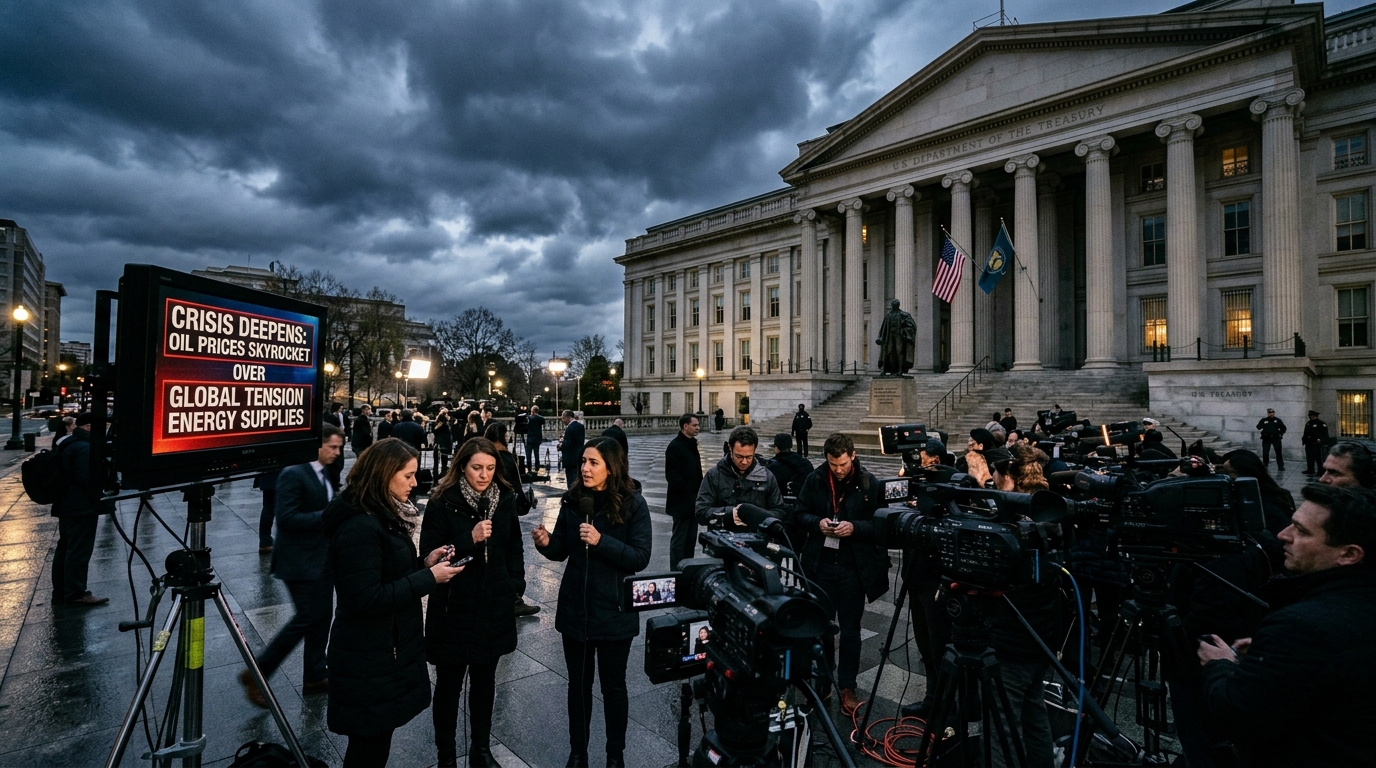
Oil market sentiment remained tied to Iran-related geopolitical developments on Thursday, as traders weighed a fresh U.S. sanctions move alongside political comments from President Donald Trump about the timing of any potential U.S. military action.
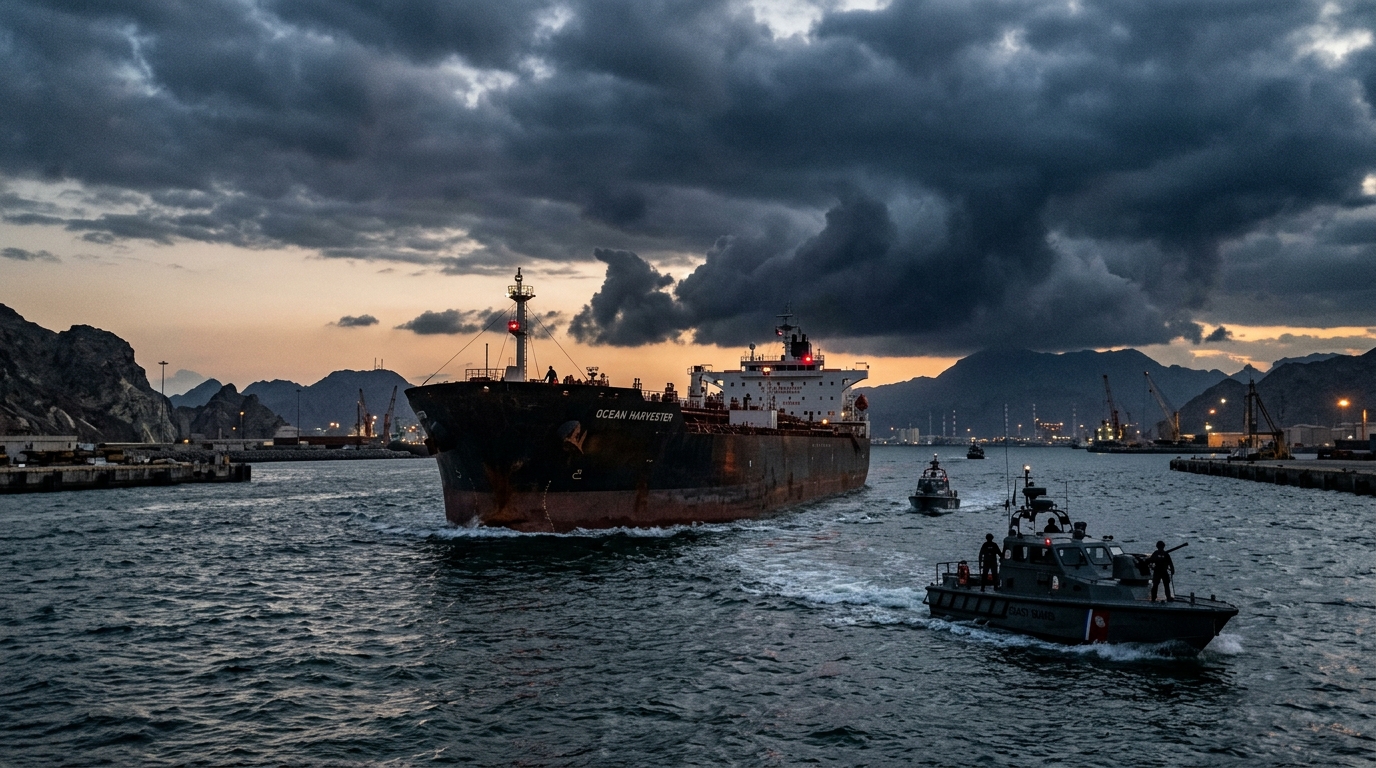
According to CNBC, Trump said the United States would not attack Iran before the midterm election. Separately, CNBC reported that the U.S. Treasury sanctioned 17 tankers linked to Iran’s so-called shadow fleet as part of an economic pressure campaign. Those two headlines pointed in different short-term directions for markets: one suggested a potential near-term limit on military escalation risk, while the other reinforced ongoing pressure on Iranian oil-linked shipping.
For commodity investors, the combination matters because oil prices often respond not just to actual supply disruptions, but also to changing probabilities around sanctions enforcement, shipping availability and wider Middle East conflict risk.
Why the sanctions matter for oil
The Treasury action appears significant because shipping is central to how sanctioned crude moves around global markets. If enforcement disrupts transport logistics, raises insurance risk or deters intermediaries, the practical effect can be tighter supply conditions even without a formal loss of production.
CNBC described the targeted vessels as part of Iran’s shadow fleet, a term generally used for tankers operating through opaque structures to move restricted oil. In commodity markets, such measures are watched closely because they can affect freight flows, delivery timing and the discount at which sanctioned barrels trade.
While the headlines provided no fresh estimate for lost volumes, the sanctions add to the broader risk premium embedded in oil whenever traders fear export bottlenecks in politically sensitive routes.
Trump’s statement may limit, not remove, risk
At the same time, CNBC’s report on Trump’s remarks may have tempered some immediate fears of a direct U.S. strike on Iran. In market terms, any signal that lowers the perceived odds of near-term military action can cool the most extreme upside scenarios for crude.
But the key point for traders is that reduced near-term strike risk does not equal a full easing of tensions. Economic pressure, sanctions enforcement and shipping scrutiny can still support prices by keeping uncertainty elevated.
That distinction is important for global markets. Oil does not need a physical outage to move sharply; it often reacts to the possibility of one, especially when tanker traffic and sanctions policy are involved.
Cross-asset impact extends beyond energy
The broader market read-through goes beyond crude alone. Cointelegraph reported that Bitcoin hovered near a three-week low as oil moved higher on Iran strike concerns. While Cointelegraph is a crypto-native outlet and should be read with that context in mind, the directional link it highlighted fits a broader cross-asset pattern: when geopolitical risk lifts energy prices, investors often become more cautious across risk assets.
That does not mean crypto trades as a simple oil proxy. But rising oil can feed inflation concerns, tighten financial conditions expectations and reduce risk appetite at the margin. Those channels can affect equities, credit and digital assets alike.
For market participants already navigating elevated bond yields and persistent inflation uncertainty, a renewed geopolitical energy premium is especially relevant. Higher energy costs can complicate the outlook for consumers and central banks, even if the move stems from geopolitical headlines rather than changes in underlying demand.
What traders may watch next
Near term, several issues are likely to matter:
- Sanctions enforcement: Whether the new Treasury action materially impairs tanker operations or cargo flows.
- Official rhetoric: Any further clarification from U.S. officials on Iran policy and military posture.
- Shipping and insurance signals: Changes in freight behavior often show up before official supply data.
- Spillover into inflation assets: Oil strength can ripple into currencies, rates and risk sentiment.
The immediate takeaway is that Thursday’s headlines did not offer a clean de-escalation story. Instead, they suggested a market balancing two realities at once: a possible cap on near-term military escalation, and a continued tightening of economic pressure on Iran-linked oil transport.
Neutral outlook: Unless follow-through data show a clear impact on supply flows or a broader easing in geopolitical tension, oil is likely to remain sensitive to every new signal on Iran, sanctions and shipping risk.
MarketPro reports are AI-assisted analyses of publicly reported market news. Not investment advice.