Qatar Gas Deal Highlights New Middle East Energy Map
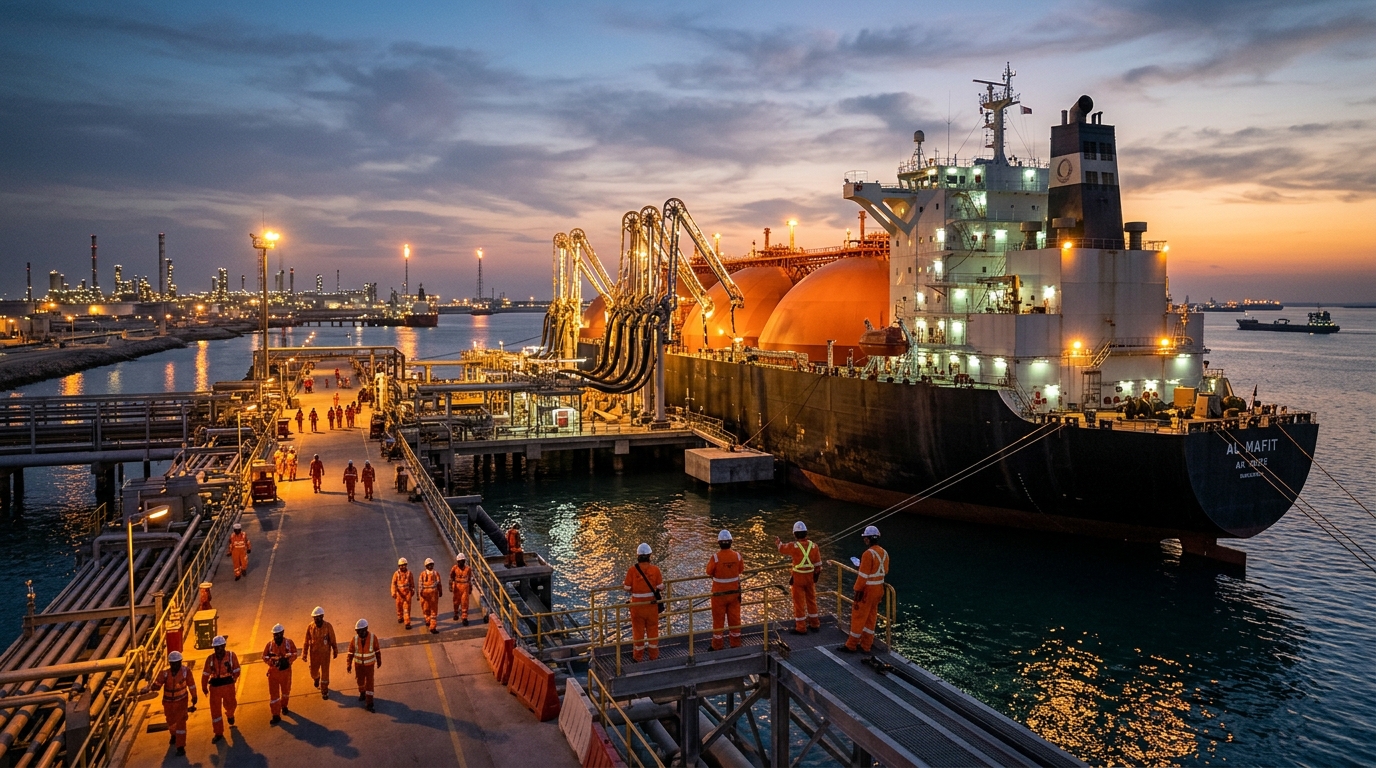
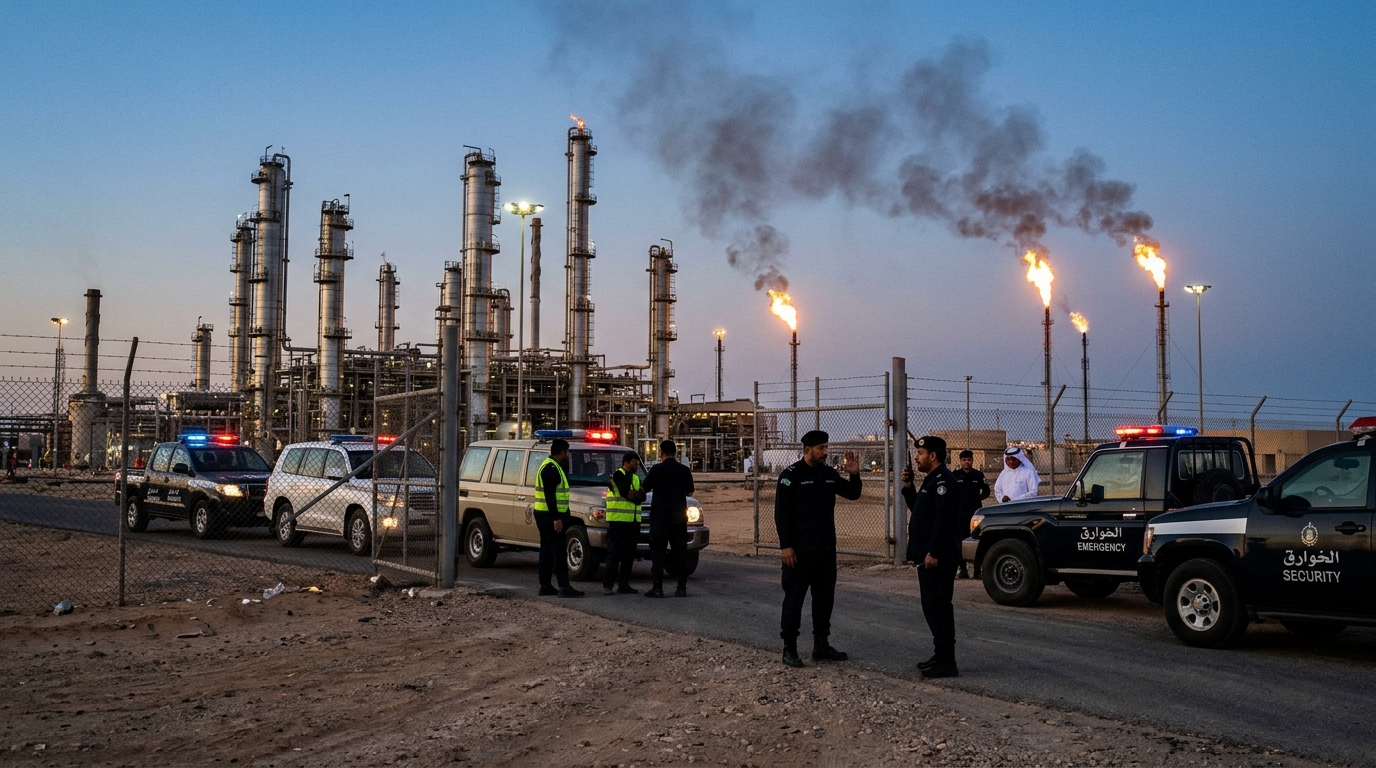
A reported deal by Qatar to buy U.S. natural gas is emerging as a fresh signal of how geopolitical conflict tied to Iran is reshaping global energy trade. CNBC said the agreement shows how war involving Iran has redrawn energy markets, while MarketWatch separately reported that oil markets are on edge ahead of the weekend amid predictions of fresh U.S. strikes on Iran.
Taken together, the two reports point to a wider market theme: energy security and geopolitical alignment are again influencing commodity flows, not just spot prices. The significance is not limited to oil. Natural gas trade patterns, long associated with regional demand, infrastructure, and contract pricing, are increasingly being viewed through a strategic lens.
Why a Qatar-U.S. gas deal matters
Qatar is one of the world’s most important gas exporters, so a decision to buy U.S. natural gas stands out on its face. According to CNBC, the deal illustrates how conflict tied to Iran has changed the global energy map. Even without full contract details in the headline, the message is clear: countries with major hydrocarbon positions may still seek additional supply optionality when regional risk rises.
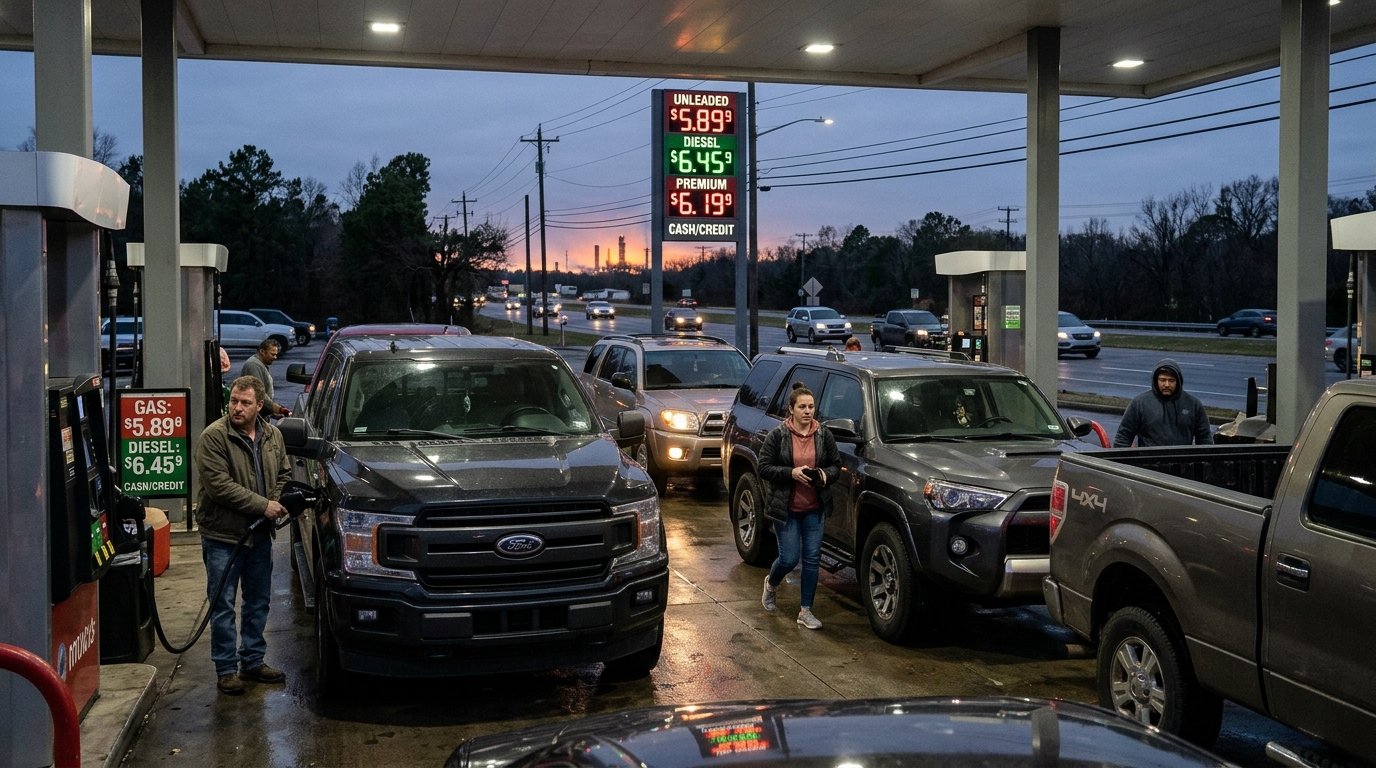
That matters for market participants because it suggests buyers are not thinking only about price. They are also thinking about resilience, diversification, and access to politically reliable flows. In periods of Middle East tension, trade decisions that might once have appeared purely commercial can carry strategic meaning.
Gas and oil are moving together in the geopolitical narrative
MarketWatch’s report that oil markets are on edge before the weekend reinforces the broader risk backdrop. Crude typically reacts first and most visibly to military escalation involving Iran, given the country’s role in the region and the market’s sensitivity to transport disruption. But gas is increasingly part of the same conversation, especially when conflict changes shipping routes, insurance costs, or government stockpiling behavior.
Even if the direct physical threat centers on oil, the behavioral response can spread across energy markets. Utilities, traders, and governments may all move to strengthen procurement flexibility. That can support demand for liquefied natural gas from exporters such as the United States.
What this says about the new energy order
The reported Qatar move suggests a more complex global market than the old producer-consumer split. Major exporters may also become buyers in selective circumstances, particularly when doing so helps hedge regional exposure or reinforces diplomatic and commercial ties.
Several implications follow from that shift:
- Energy security is broadening: Supply diversity matters even for countries with large domestic or regional energy positions.
- U.S. gas remains strategically relevant: American LNG can play a balancing role when geopolitical risk rises elsewhere.
- Conflict is redrawing flows: Trade patterns may increasingly reflect security calculations, not just benchmark prices.
For commodities markets, this means price action may capture only part of the story. Physical trade decisions, contract structures, and bilateral energy ties can reveal where buyers see long-term risk.
What traders and businesses may watch next
Follow-through will matter more than the headline alone. Markets are likely to monitor whether the Qatar deal is an isolated transaction or part of a broader trend toward more diversified gas sourcing. They will also watch whether tension around Iran intensifies and pulls shipping, freight, and insurance costs higher across the region.
Another key question is whether oil volatility starts to influence LNG contracting behavior more directly. If buyers fear prolonged instability, they may seek additional term volumes or more flexible destination arrangements.
According to CNBC and MarketWatch reports, the immediate takeaway is that Middle East conflict risk is no longer just an oil story. It is feeding into natural gas strategy as well, with implications for trade flows and the relative importance of U.S. supply.
Neutral outlook: If regional tensions remain elevated, energy markets may continue to price not only supply disruption risk but also a longer-term shift toward diversified gas procurement.
MarketPro reports are AI-assisted analyses of publicly reported market news. Not investment advice.