Rubio Says Trump Seeks Iran Peace as Doha Talks Falter
Fresh headlines on U.S.-Iran diplomacy are putting geopolitical risk back on the radar for energy markets, after officials signaled both a desire for a peaceful outcome and continued military preparedness.
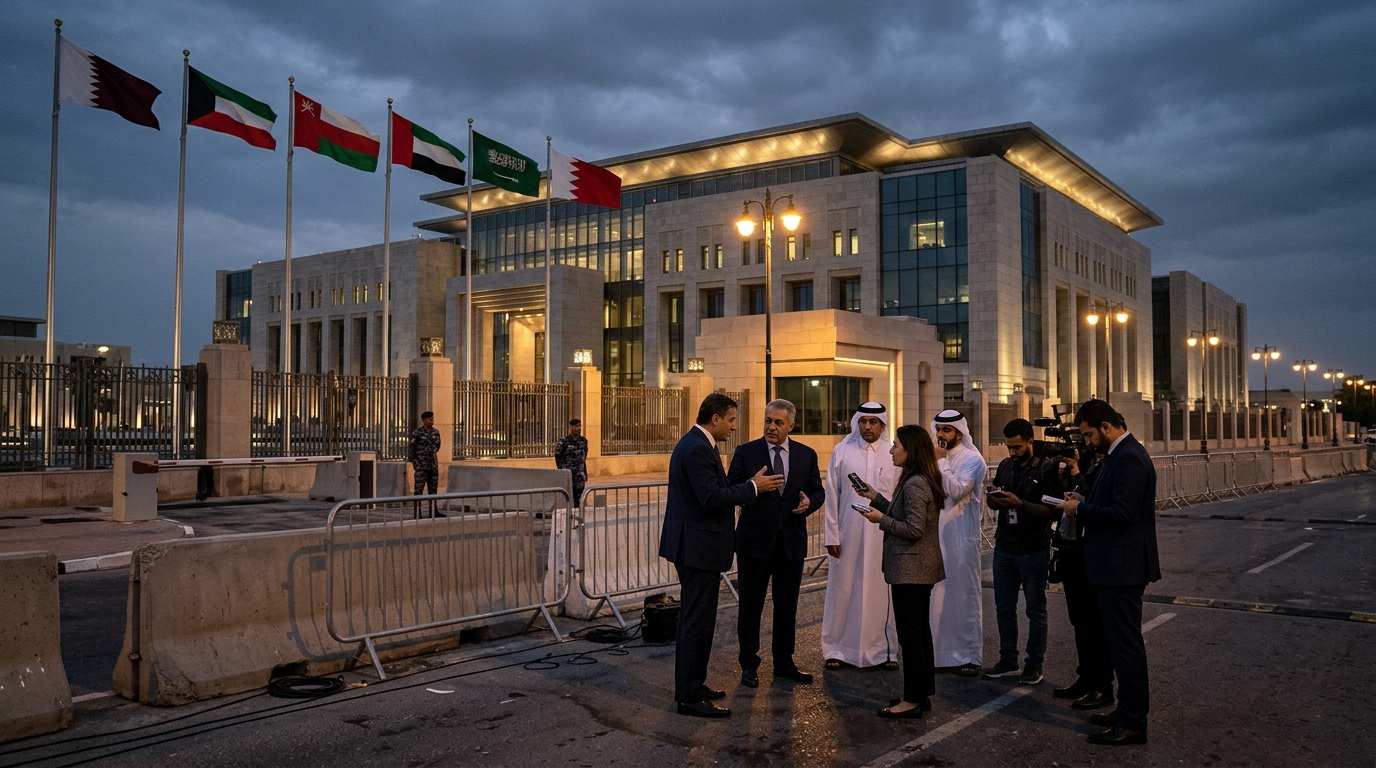
According to a CNBC report, Sen. Marco Rubio said Donald Trump wants to end the Iran conflict peacefully even as both sides prepare for possible strikes. Separately, according to Investing.com, citing an official, Iranian representatives have left talks in Doha and a draft proposal for a U.S. deal is being circulated.
Taken together, the reports point to a familiar but market-sensitive pattern: diplomacy remains active, but the risk of escalation has not disappeared.
Why markets are paying attention
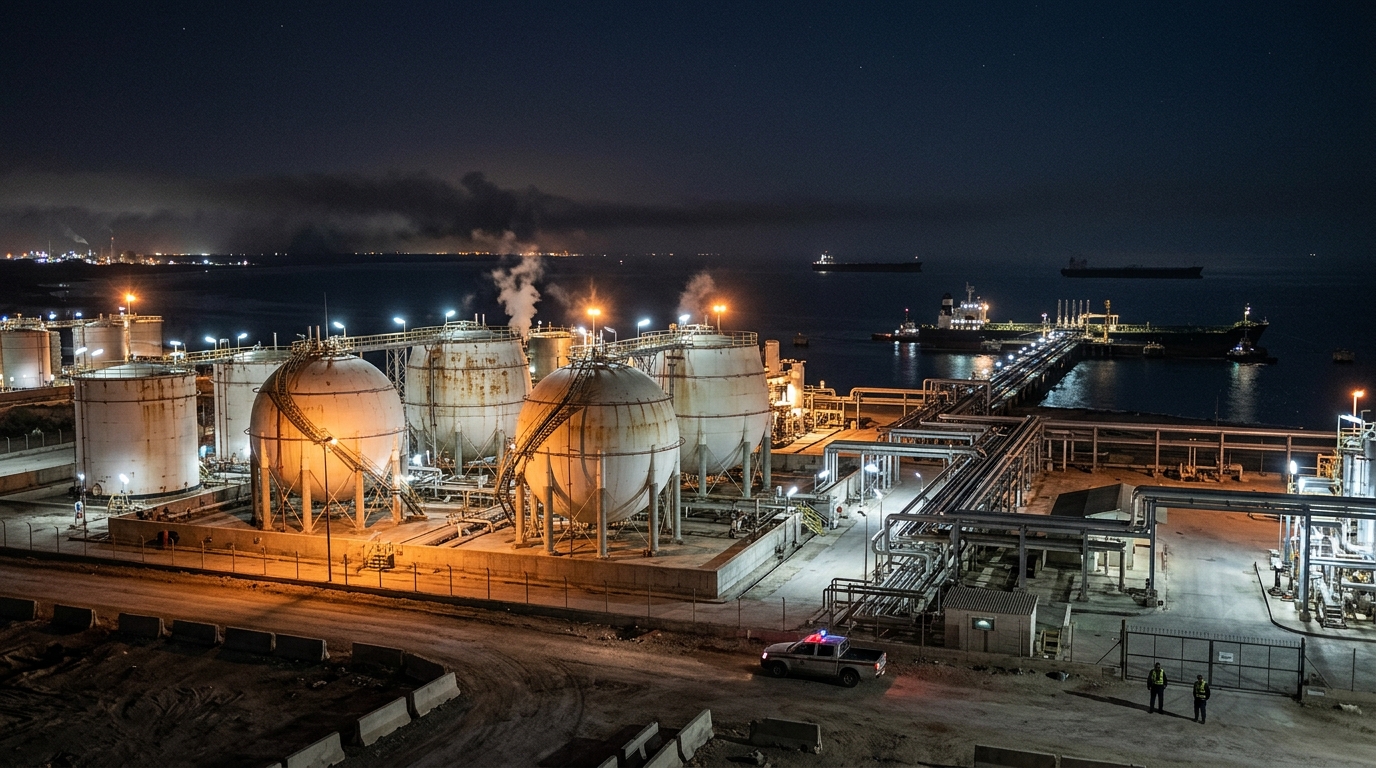
For global investors, the immediate importance of these developments lies less in politics alone and more in what they could mean for oil, shipping and broader risk sentiment. The Middle East remains central to global crude flows, and any sign that talks are breaking down while military planning continues can quickly feed into commodity volatility.
Neither report provided new supply disruption figures, and there is no confirmation of actual military action. Still, the combination of stalled talks and strike preparations is enough to keep traders focused on headline risk.
This matters because oil markets often react before any physical interruption occurs. Prices can move on perceived risks to production, export routes or regional stability, particularly when negotiations appear uncertain.
Two signals, one cautious conclusion
The CNBC report emphasizes Rubio’s framing that Trump prefers a peaceful resolution. That is a meaningful signal for markets because it suggests Washington still wants to leave room for negotiation rather than move directly toward confrontation.
But the Investing.com report adds a more fragile diplomatic backdrop, saying Iranian negotiators have left Doha while a draft proposal is still circulating. That does not necessarily mean talks are finished, but it does suggest progress may be uneven.
The coexistence of those two signals — public support for a peaceful outcome and evidence of stress in talks — is exactly the kind of backdrop that can lift the geopolitical premium in crude.
Potential spillovers beyond oil
Energy is the first transmission channel, but not the only one. If tensions intensify, investors may also watch for knock-on effects in shipping costs, airline sector sentiment and broader safe-haven flows.
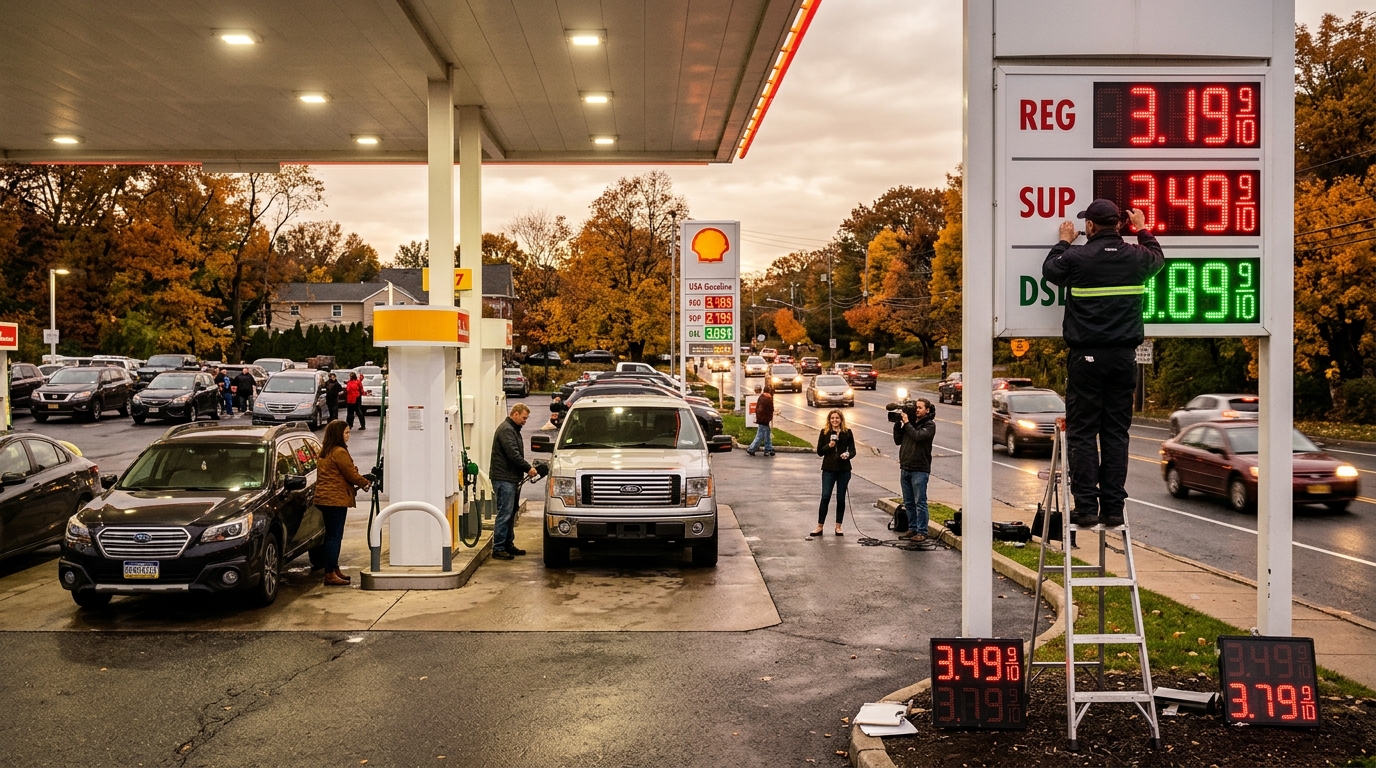
Fuel-sensitive industries are especially alert to this kind of risk. That backdrop is notable at a time when companies in travel and transport are already discussing higher energy-related costs, even without a confirmed regional supply shock.
Currency markets could also stay sensitive. Heightened geopolitical tension often pushes investors toward traditional defensive assets and can complicate central-bank and inflation expectations if oil prices react sharply.
What is confirmed — and what is not
At this stage, the most important distinction is between verified developments and market speculation.
- Confirmed by headlines: Rubio said Trump wants a peaceful end to the Iran conflict, according to CNBC.
- Also reported: Iranian officials have left Doha talks and a draft proposal is being circulated, according to Investing.com.
- Not confirmed in the provided reports: any finalized deal, any actual strike, or any measured disruption to energy exports.
That means markets are dealing with uncertainty rather than a settled outcome. For now, this is a risk-monitoring story, not yet a confirmed supply story.
Why this matters now
Reader interest on MarketPro has remained strongest around broad macro developments, especially when geopolitics intersects with oil, inflation and cross-asset pricing. This story fits that pattern because it sits at the intersection of foreign policy and commodity sensitivity.
It also arrives at a time when markets are highly reactive to event risk. Even limited signs of diplomatic deterioration can reshape near-term expectations for crude, inflation and global risk appetite.
Neutral outlook: As long as diplomacy and military preparation move in parallel, commodity markets are likely to stay sensitive to every headline. Investors will be watching for either a clearer diplomatic breakthrough or firmer evidence of escalation.
MarketPro reports are AI-assisted analyses of publicly reported market news. Not investment advice.