Saudi crude storage plan adds new Asia supply signal
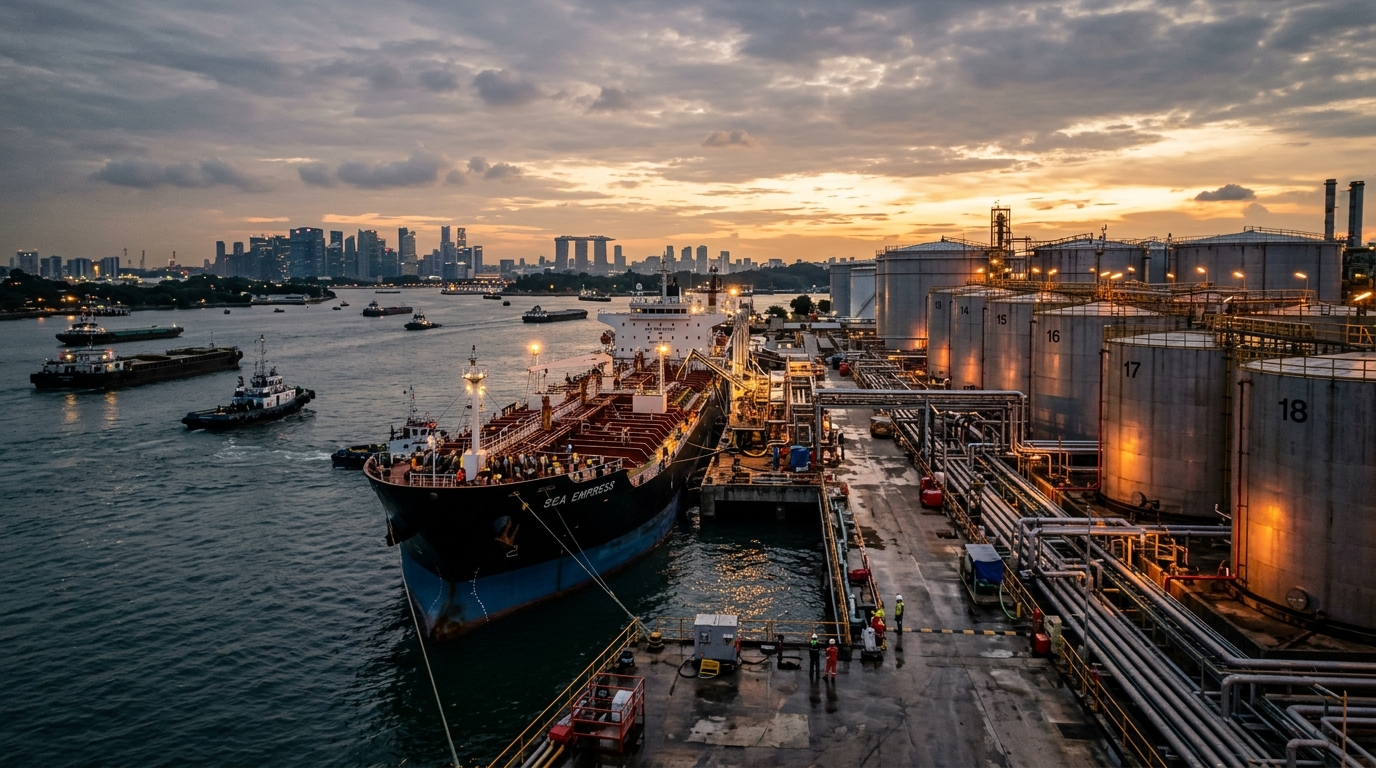
Saudi Arabia’s plan to store crude oil in Singapore from mid-2027 offers a fresh signal for Asian energy logistics at a time when traders are already recalibrating how resilient supply chains need to be. According to an Investing.com report, the kingdom intends to place crude into storage in Singapore, one of the region’s most important oil trading and refining hubs.
The development lands as the broader oil market remains sensitive to geopolitical risk, shifting trade flows and questions about future demand. In a separate Investing.com report, International Energy Agency Executive Director Fatih Birol said energy markets are unlikely to return to pre-Iran-war conditions. Taken together, those reports suggest that major producers and market participants are thinking not just about headline supply volumes, but also about where barrels are positioned and how quickly they can be redirected.
Why Singapore matters
Singapore sits at the center of Asian oil trading, storage and refining networks. Crude stored there can provide optionality for deliveries across major consuming markets in Asia, while also helping producers stay closer to end-users and refiners. For Saudi Arabia, which is already a leading supplier to Asian buyers, storage in Singapore could strengthen commercial flexibility rather than simply add production.
That distinction matters for markets. Storage decisions do not automatically mean more oil is being pumped, but they can influence how efficiently supply reaches customers, how traders interpret availability and how refiners manage procurement. In periods of disruption or elevated freight uncertainty, strategic storage locations can become more valuable.
A logistics story with market implications
Oil prices have recently been driven by a mix of security concerns and demand worries. While today’s broader headlines also included renewed market focus on attack risks and demand destruction, the Singapore storage plan stands apart because it points to a longer-term infrastructure move rather than a short-lived price reaction.
That makes the story relevant beyond daily commodity volatility. A producer’s decision to anchor barrels in a major Asian hub may affect:
- Regional supply responsiveness during disruptions or seasonal demand swings.
- Refining economics if buyers gain faster access to Middle Eastern crude.
- Shipping patterns through Southeast Asia’s energy corridors.
- Benchmark sentiment if traders read storage expansion as a sign of durable Asian demand focus.
According to the Investing.com headline, the timing starts in mid-2027, so this is not an immediate supply event. Even so, markets often pay attention early when large producers adjust infrastructure and export strategy, because such moves can shape commercial behavior well before first flows begin.
IEA warning adds context
The separate Investing.com report on the IEA chief’s remarks adds a useful macro backdrop. If energy markets are not returning to earlier pre-war norms, then investment in storage, routing and supply flexibility may become more important than it was in calmer periods.
For traders, that means the oil market is not only reacting to near-term disruptions; it is also adapting structurally. Storage closer to demand centers can help cushion shocks, but it can also reinforce the idea that the market expects continued fragmentation, persistent risk premiums or a need for more diversified logistical planning.
Singapore is particularly notable because of its role in pricing, blending, financing and physical delivery. A Saudi presence there through crude storage could therefore have symbolic value as well as commercial relevance, underlining Asia’s centrality in the kingdom’s long-term export strategy.
What investors and companies may watch
Energy companies, refiners, tanker operators and commodity traders are likely to focus on implementation details as they emerge. The current headlines do not provide volumes, counterparties or storage capacity, so it would be premature to draw conclusions about the scale of impact. Still, the location alone makes the plan notable.
Market participants may especially watch whether the move leads to:
- More stable supply arrangements for Asian refiners.
- Shifts in regional storage competition.
- Greater use of Southeast Asian hubs in producer strategy.
- Broader infrastructure responses from rival exporters.
Because the available reporting is limited to the headline-level information from Investing.com, it is important not to overstate the immediate effect. The significance, for now, is that one of the world’s most influential oil producers appears to be expanding its physical optionality in Asia at a time when global energy trade is being reshaped by conflict, freight risk and demand uncertainty.
Neutral outlook: If further details confirm material storage capacity or long-term export integration, the Singapore plan could become a meaningful indicator of how oil producers are positioning for a more risk-sensitive Asian market.
MarketPro reports are AI-assisted analyses of publicly reported market news. Not investment advice.