Saudi Intercepts Houthi Attack as Gulf Tension Builds

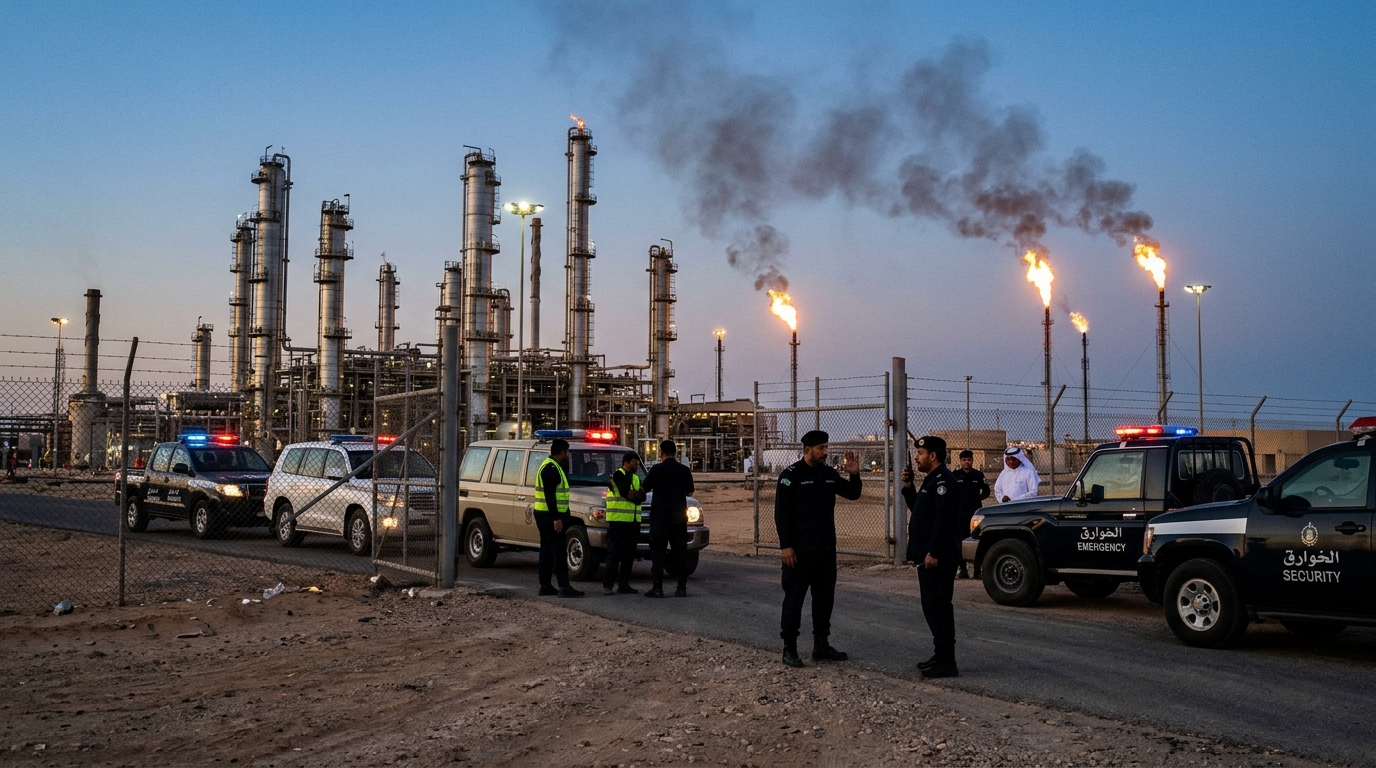
Middle East risk returned to the market narrative after Saudi Arabia said it intercepted missiles and drones launched by Iran-backed Houthi forces, according to CNBC. The development adds a fresh security angle for energy traders already watching regional supply routes, shipping risks and the political response from Gulf states.
The headline gained broader context from a separate Investing.com report that Qatari mediators were in Tehran as part of a U.S.-coordinated effort to ease tensions. Taken together, the two reports point to the same conclusion for markets: regional diplomacy and regional security are now moving in parallel, and both matter for oil-sensitive assets.
Why the market cares
For commodity markets, the immediate issue is not only whether physical supply is disrupted, but whether the risk premium on crude rises as traders reassess the odds of escalation. Even when production and exports remain unchanged, missile and drone incidents can shift pricing by increasing uncertainty around infrastructure, transport corridors and the broader security outlook in the Gulf.
Saudi Arabia remains one of the world’s most important oil exporters, so any security incident tied to the kingdom tends to get attention beyond the region. A successful interception may limit immediate physical damage, but it does not remove market concern about what happens next.
Diplomacy and deterrence are now both in play
According to CNBC, Saudi authorities framed the episode as an interception of incoming threats from the Houthis. According to Investing.com, diplomatic efforts involving Qatar and Tehran suggest key actors are trying to prevent a wider deterioration. That combination matters because markets often react differently when military headlines are accompanied by visible de-escalation channels.
In practical terms, investors in oil, currencies and regional equities will be watching two things:
- Whether further attacks are reported, which could increase the geopolitical premium in energy markets.
- Whether mediation produces any calming signals, which could help limit spillover into oil and broader risk assets.
Potential cross-asset implications
The first and most direct impact is on energy prices. Any sign that tension is expanding can support crude by reviving fears around supply security. The second impact is on regional stock markets. Investing.com separately reported that Saudi stocks closed lower, with the Tadawul All Share index down 2.65%, though that market move was not explicitly tied to the interception headline.
Currency markets can also become more sensitive in these periods, especially where traders use the U.S. dollar and oil-linked positioning as proxies for geopolitical risk. Even if the immediate move is concentrated in crude, the aftereffects can ripple into sovereign risk perception, shipping sentiment and broader emerging-market positioning.
What would change the story
At this stage, the key unknown is whether this was an isolated event or the start of a more sustained flare-up. Markets usually need follow-through before repricing aggressively. A single interception can lift caution; a sequence of incidents can alter assumptions about energy security more materially.
Equally important is whether diplomatic engagement gains traction. The Investing.com report on Qatari mediation suggests there is an active effort to prevent a wider confrontation. If that effort shows progress, it may help contain market stress even if headlines remain noisy.
Why this matters now
Energy markets have repeatedly shown that geopolitical risk can return quickly after periods of relative calm. This latest combination of Saudi security action and Qatar-backed mediation gives traders both a reason for caution and a reason to watch diplomacy closely.
Neutral outlook: The near-term market impact depends on whether security incidents multiply or mediation lowers tensions. For now, oil traders are likely to keep a closer eye on Gulf headlines than usual.
MarketPro reports are AI-assisted analyses of publicly reported market news. Not investment advice.